The Future of Dental Care: Regrowing Teeth as an Alternative to Implants
The Future of Dental Care: Regrowing Teeth as an Alternative to Implants
Introduction
Losing a tooth as an adult is a common experience that affects millions of individuals worldwide. Traditionally, the primary solutions for tooth loss have been artificial substitutes, such as dentures and dental implants. However, recent advancements in dental research suggest that we may be on the brink of a revolutionary change: the ability to regrow living teeth. This potential breakthrough not only brings hope to those who face tooth loss but also challenges the very foundation of conventional dental solutions.
Key Details
- Recent studies in regenerative dentistry indicate that stem cells may play a crucial role in the regrowth of teeth.
- Researchers are exploring various methods, including bioengineered scaffolding and growth factors, to stimulate natural tooth regeneration.
- This approach may lead to more natural-looking and functioning teeth compared to traditional implants.
- Initial trials have shown promise, yet significant challenges remain before these techniques can be widely adopted.
- Regrowing teeth could potentially reduce the financial burden associated with dental implants and maintenance of dentures.
Background
Historically, tooth loss has been a significant aspect of dental health for many adults. Whether due to decay, injury, or age, the loss of a natural tooth often leads to the necessity of artificial replacements. Dentures and implants have been the go-to solutions for decades, providing functional alternatives to missing teeth. However, both options come with downsides, such as discomfort, maintenance requirements, and the risk of complications.
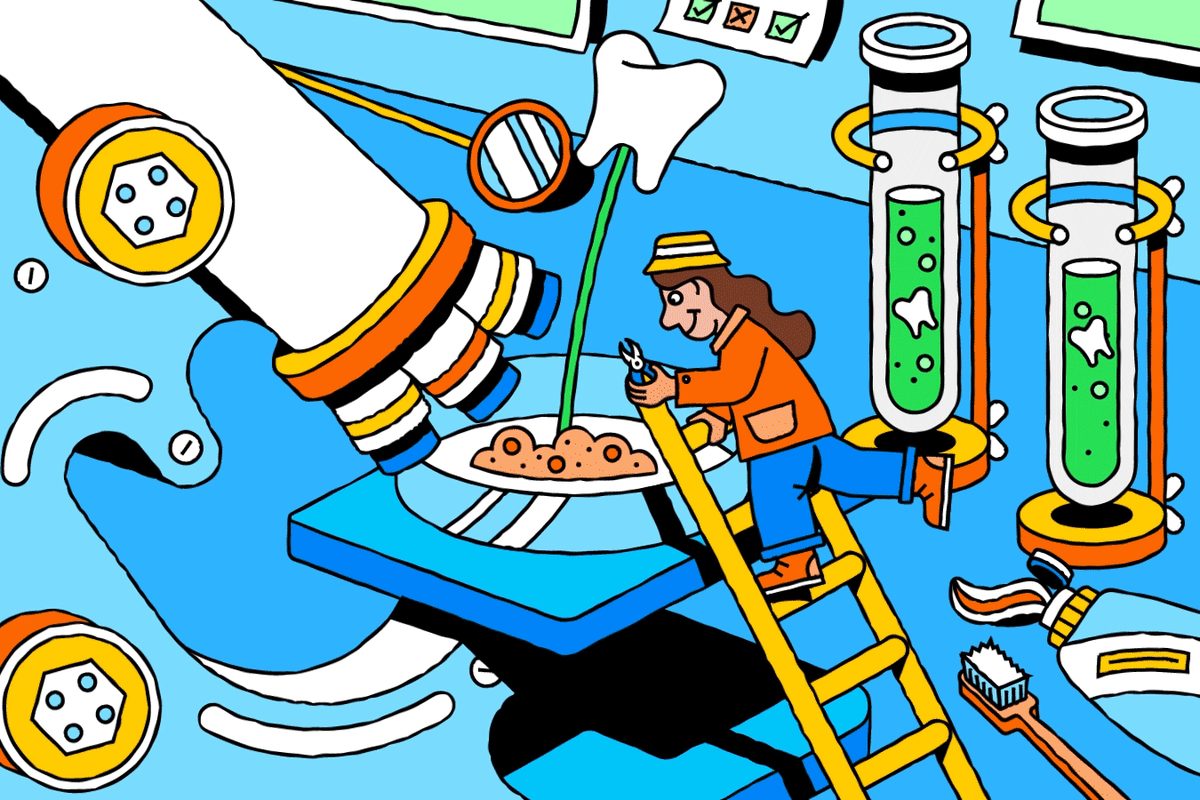
In recent years, the field of regenerative dentistry has gained momentum, driven by advances in stem cell research and tissue engineering. Scientists have begun to investigate the potential of using the body’s own biological materials to not just replace but regenerate lost teeth. This shift in perspective opens new avenues for treatment, aiming not only for aesthetic restoration but also for functional recovery.
Analysis
The implications of successfully regrowing teeth could be profound. For one, it could mark a significant shift in how dental professionals approach tooth loss. Instead of relying on synthetic materials that may not integrate well with the body, dentists could potentially offer patients the chance to regenerate their natural teeth. This could lead to a more seamless restoration process, with less risk of rejection or complications.
Moreover, the cost implications of such technology could be significant. Currently, dental implants can be prohibitively expensive, often costing thousands of dollars per tooth. If regrowth technologies are developed successfully, they may offer a more cost-effective solution, potentially making dental care more accessible to a broader population.
However, it is essential to temper excitement with realism. The path from research to clinical application is fraught with challenges. While initial studies show promise, the process of ensuring safety and efficacy in human patients is complex and requires extensive testing. Additionally, regulatory hurdles will need to be navigated before these treatments can be widely available.
Conclusion
The potential for regrowing teeth represents a paradigm shift in dental care, moving toward solutions that leverage the body’s innate healing capabilities. As research progresses, it is crucial for stakeholders in the dental community, including practitioners and patients, to stay informed and engaged with these developments. While we may not see widespread availability for some time, the prospect of having the ability to regrow our own teeth could redefine our approach to dental health in the future.