Forests at Risk: The Vulnerability of Carbon-Offset Projects to Wildfires
Forests at Risk: The Vulnerability of Carbon-Offset Projects to Wildfires
Introduction
Carbon-offset schemes have become a popular tool in global climate strategies, especially those relying on forest conservation and reforestation. These projects capture and store carbon dioxide from the atmosphere, theoretically compensating for emissions from other sources. However, the growing incidence of wildfires—exacerbated by climate change—poses a critical threat to the permanence of these carbon sinks. Recent studies and expert analyses indicate that current buffer pools, designed to protect against carbon loss from forest fires, may be insufficient to guarantee the lasting climate benefits promised by these projects.
Key Details
- Carbon-offset projects rely on forests to absorb CO2, storing it in biomass.
- Buffer pools are reserves of carbon credits held in case of reversals such as fires.
- Wildfires have increased in frequency and intensity due to rising global temperatures and changing weather patterns.
- Many buffer pools were calculated based on historical fire data, which may no longer reflect current or future risks.
- Experts warn that insufficient buffers risk undermining the credibility of forest-based carbon offsets.
Background
Forest carbon-offset projects have gained traction as governments and companies seek cost-effective ways to meet emission reduction targets. By conserving or planting trees, these projects store carbon that would otherwise remain in the atmosphere. However, the concept of permanence—a guarantee that stored carbon will not be released back—is vital. To mitigate risks such as wildfire or pest outbreaks, offset programs maintain buffer pools: a percentage of credits set aside to compensate for any carbon losses.
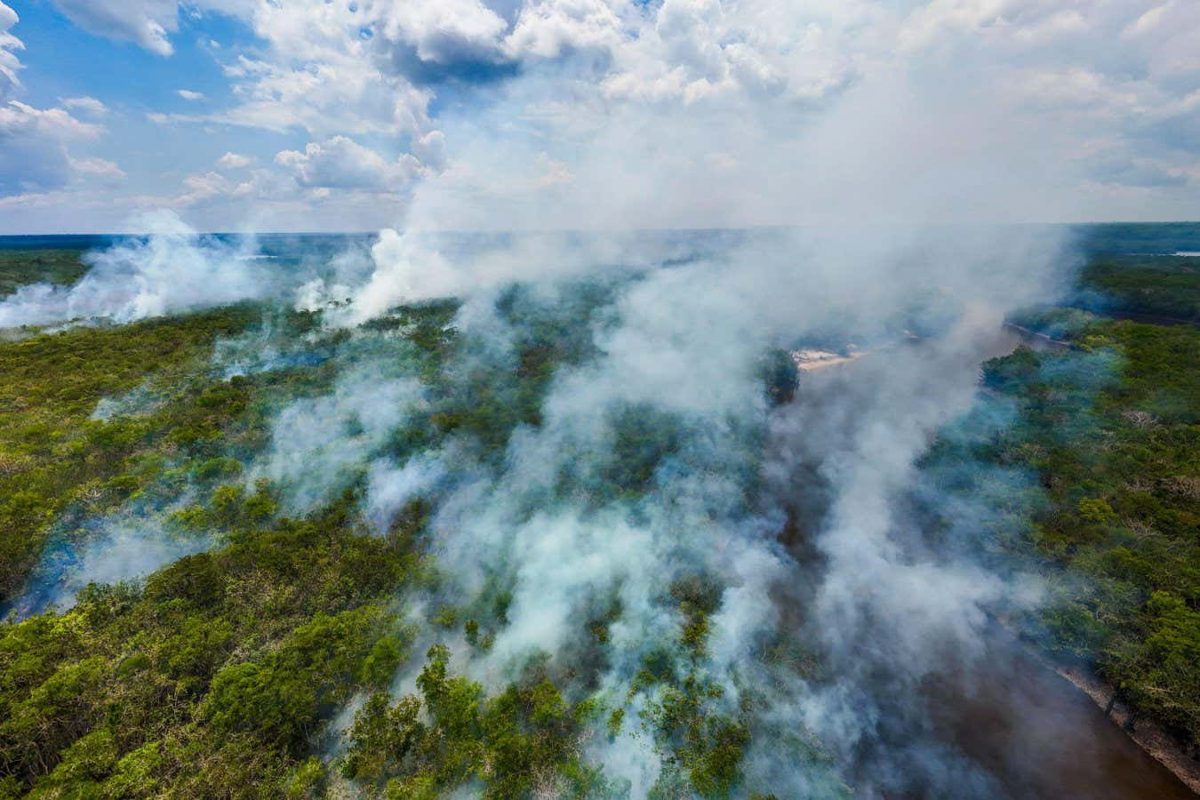
Traditionally, these buffers were set using historical data on wildfire frequency and severity. Yet, the climate crisis has altered fire regimes globally, leading to more severe and frequent fires, such as those seen recently in the western United States, Australia, and the Amazon. This trend calls into question whether existing buffer allocations are adequate.
Analysis
Scientific assessments suggest that many forest-based carbon-offset schemes severely underestimate wildfire risks and thus maintain insufficient buffer pools. If a large wildfire occurs, it can release vast amounts of stored carbon, negating the offset’s benefits. Some analyses point out that current buffer pools may cover only a fraction of potential carbon reversals in high-risk regions.
This gap threatens the integrity of carbon markets, as buyers assume their investments represent real and lasting emission reductions. If reversals are not adequately covered, the market risks losing trust, which could slow the adoption of offsets or push buyers toward alternative strategies.
Additionally, forest management practices, such as fuel reduction and controlled burns, could help reduce fire risk but are not always implemented within offset projects. This raises questions about the holistic approach to risk management in carbon-offset programs.
Conclusion
The increasing threat of wildfires necessitates a reassessment of forest carbon-offset schemes. Buffer pools must be recalibrated to reflect the changing fire landscape under a warming climate. Without robust safeguards, the promise of forest offsets as reliable climate solutions remains fragile. Policymakers, project developers, and carbon market participants need to prioritize enhanced risk management measures to sustain the credibility and effectiveness of these vital climate tools.