Exploring the Depths: The Unique Ecosystems of Underwater Volcanic Brine Pools
Exploring the Depths: The Unique Ecosystems of Underwater Volcanic Brine Pools
Introduction
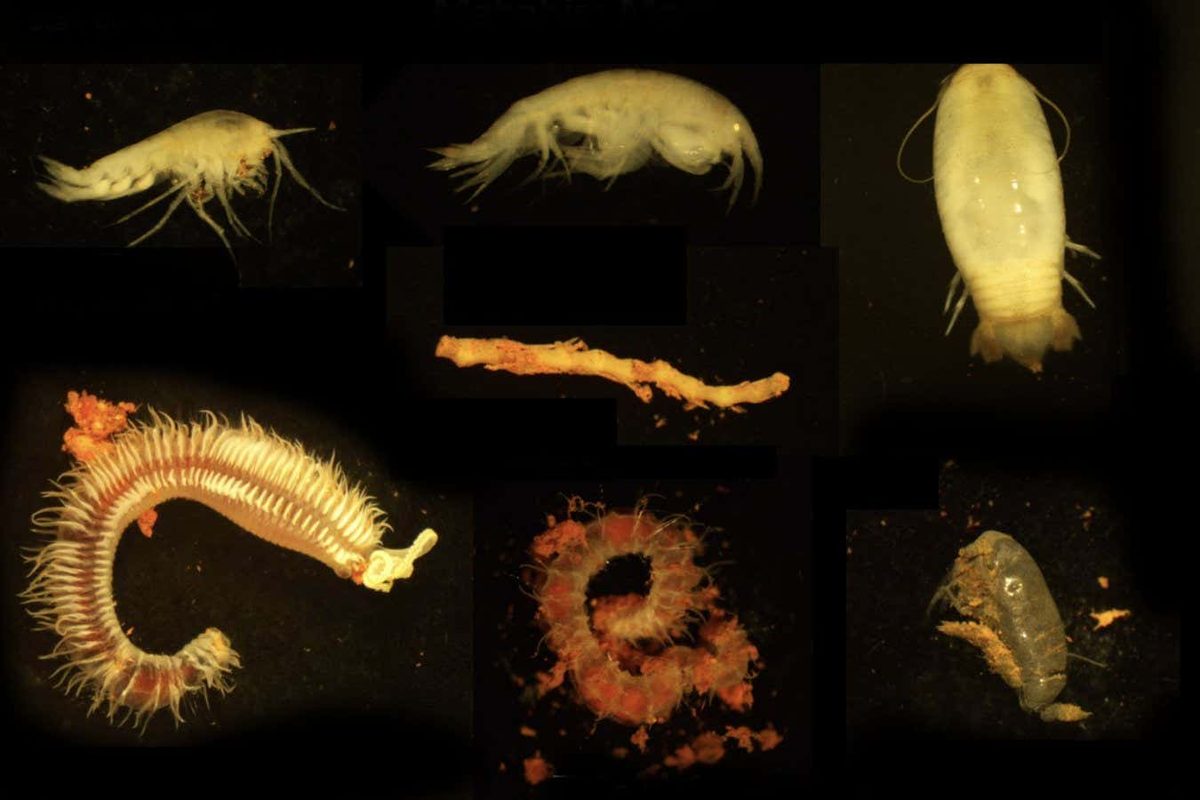
A groundbreaking expedition in the Red Sea has unveiled a series of underwater brine pools that are believed to be nourished by volcanic activity beneath the ocean floor. These extreme environments are thought to host microbial life and possibly even larger organisms that have adapted to the harsh conditions found in these saline waters. This discovery not only enhances our understanding of marine biology but also raises significant questions about the resilience of life in extreme environments.
Key Details
- The expedition was conducted by a team of marine biologists and geologists.
- Brine pools are characterized by their high salt concentration, which makes them denser than the surrounding seawater.
- These pools are typically isolated from the surrounding ocean, creating unique ecological niches.
- Microbial life in these pools may possess adaptations that allow them to thrive in such extreme conditions.
- Exploration of these ecosystems can provide insights into how life adapts to extreme environments, potentially informing astrobiological research.
Background
Brine pools have long fascinated scientists due to their unique chemical compositions and the extreme conditions they present. Often found on continental shelves, these pockets of hypersaline water are created when seawater evaporates, leaving behind concentrated salt and other minerals. In the case of the Red Sea expedition, the researchers believe that volcanic activity contributes additional minerals and heat to these environments, further elevating their uniqueness.
The discovery of life forms in these brine pools could have significant ramifications for our understanding of life on Earth. Traditional theories of biology often suggest that life requires a specific set of conditions, typically found in temperate, nutrient-rich waters. However, the existence of thriving ecosystems in such inhospitable conditions challenges this notion and suggests that life is far more adaptable than previously thought.
Analysis
The implications of finding life in these extreme environments are profound. First, it highlights the adaptability of life forms, suggesting that organisms can evolve mechanisms to survive in conditions that would be lethal to most known species. The microbial communities existing in brine pools may utilize unique biochemical processes, potentially uncovering new avenues for biotechnological applications, including novel antibiotics or enzymes.
Moreover, studying these ecosystems can enhance our understanding of extraterrestrial life. The conditions present in brine pools mimic those on other celestial bodies, such as the icy moons of Jupiter and Saturn, where subsurface oceans are believed to exist. Insights gained from the adaptations of life forms in Earth's brine pools could inform the search for life beyond our planet.
There is also an ecological aspect to consider. The Red Sea is facing various environmental pressures, including climate change and pollution. Understanding how unique ecosystems like brine pools function could be crucial for conservation efforts. If these environments can support unique life forms, they may play a significant role in the overall health of marine biodiversity.
Conclusion
The recent discovery of underwater volcanic brine pools in the Red Sea marks a significant milestone in marine research, underscoring the unexpected resilience of life in extreme environments. As scientists continue to explore these unique habitats, the potential for discovering new life forms and understanding the limits of adaptability remains vast. This research promises to deepen our appreciation for the complexities of our planet’s ecosystems and may one day provide insights into life beyond Earth.