Rising Cybersecurity Threats as Home Solar Panels Become Targets for Grid Disruption
Rising Cybersecurity Threats as Home Solar Panels Become Targets for Grid Disruption
Introduction
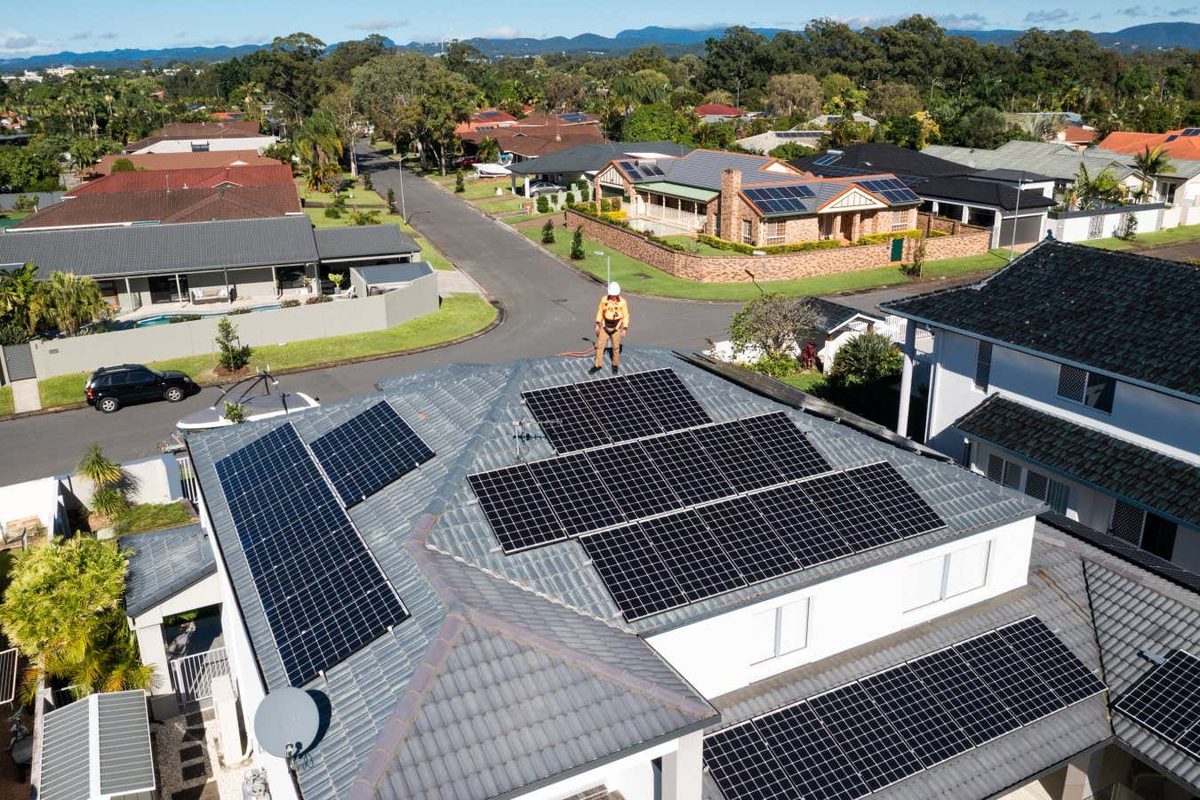
The rapid adoption of residential solar energy systems worldwide represents a significant step forward in sustainable energy generation. However, this technological shift also introduces new vulnerabilities into the power grid's complex ecosystem. Experts are increasingly concerned about the cybersecurity risks associated with the smart devices that manage these home installations, particularly smart inverters. These devices, which convert direct current (DC) from solar panels into alternating current (AC) for home and grid use, have become potential entry points for cyber attackers aiming to disrupt power supplies on a mass scale.
Key Details
- Smart inverter vulnerabilities: These devices are integral to managing energy flow between solar panels and the grid but have been identified as susceptible to cyber intrusions due to outdated software and insufficient security protocols.
- Potential for large-scale disruption: By compromising a network of home solar inverters, hackers could manipulate power output or cause imbalances, potentially triggering widespread outages or damaging grid infrastructure.
- Increasing solar panel installations: As more households invest in solar energy for economic and environmental reasons, the attack surface for cyber threats expands significantly.
- Regulatory and industry responses: Energy regulators and industry bodies are beginning to develop standards and guidelines to enhance the cybersecurity of distributed energy resources.
Background
Over the past decade, domestic solar power installations have surged, driven by declining costs, government incentives, and growing environmental consciousness. According to industry reports, millions of households now rely on solar panels equipped with smart inverters capable of two-way communication with utility providers. While this innovation allows for more efficient energy management, it also introduces risks not previously encountered in traditional power grids.
Smart inverters rely on software that can communicate with grid operators to balance supply and demand dynamically. Unfortunately, this connectivity can be exploited if adequate cybersecurity measures are not in place. The National Renewable Energy Laboratory (NREL) and cybersecurity experts have warned about scenarios where coordinated cyberattacks could leverage compromised inverters to destabilize power grids, leading to cascading failures and economic disruption.
Analysis
The integration of distributed energy resources like home solar panels into the grid increases its complexity and interconnectivity, which inherently raises security challenges. Cybersecurity experts emphasize that the traditional perimeter defense models used in centralized power plants are insufficient for protecting such decentralized systems. Attackers could exploit vulnerabilities in the inverter firmware or communication protocols to control power flows maliciously.
Moreover, the sheer volume of residential solar installations makes monitoring and securing every device a daunting task for utilities and regulators. Unlike large power plants that have dedicated cybersecurity teams and resources, individual homeowners typically lack the expertise and incentives to maintain robust protections on their systems.
Efforts to mitigate these risks include developing industry-wide cybersecurity standards for distributed energy resources, enhancing real-time monitoring of grid operations, and fostering collaboration between utilities, manufacturers, and cybersecurity professionals. There is also a push for smarter inverter designs that incorporate advanced encryption and intrusion detection capabilities.
The situation also highlights the broader challenge of securing critical infrastructure amid rapid technological transformation. As energy systems become more digitized and decentralized, the attack surface for potential cyber threats grows, necessitating a proactive and coordinated response from all stakeholders.
Conclusion
The transition to renewable energy, particularly through widespread home solar panel installations, is a positive development for environmental sustainability. However, it simultaneously exposes the power grid to novel cybersecurity risks that could have severe consequences if left unaddressed. Ensuring the resilience and security of the grid requires not only technological innovation but also regulatory foresight and public-private collaboration.
Stakeholders must prioritize the development and implementation of robust cybersecurity measures tailored to the unique challenges posed by distributed energy resources. With the right strategies in place, it is possible to harness the benefits of solar power while safeguarding the reliability and safety of national energy systems.