Revolutionizing Healthcare: Technology's Impact and Its Implications
Revolutionizing Healthcare: Technology's Impact and Its Implications
Introduction
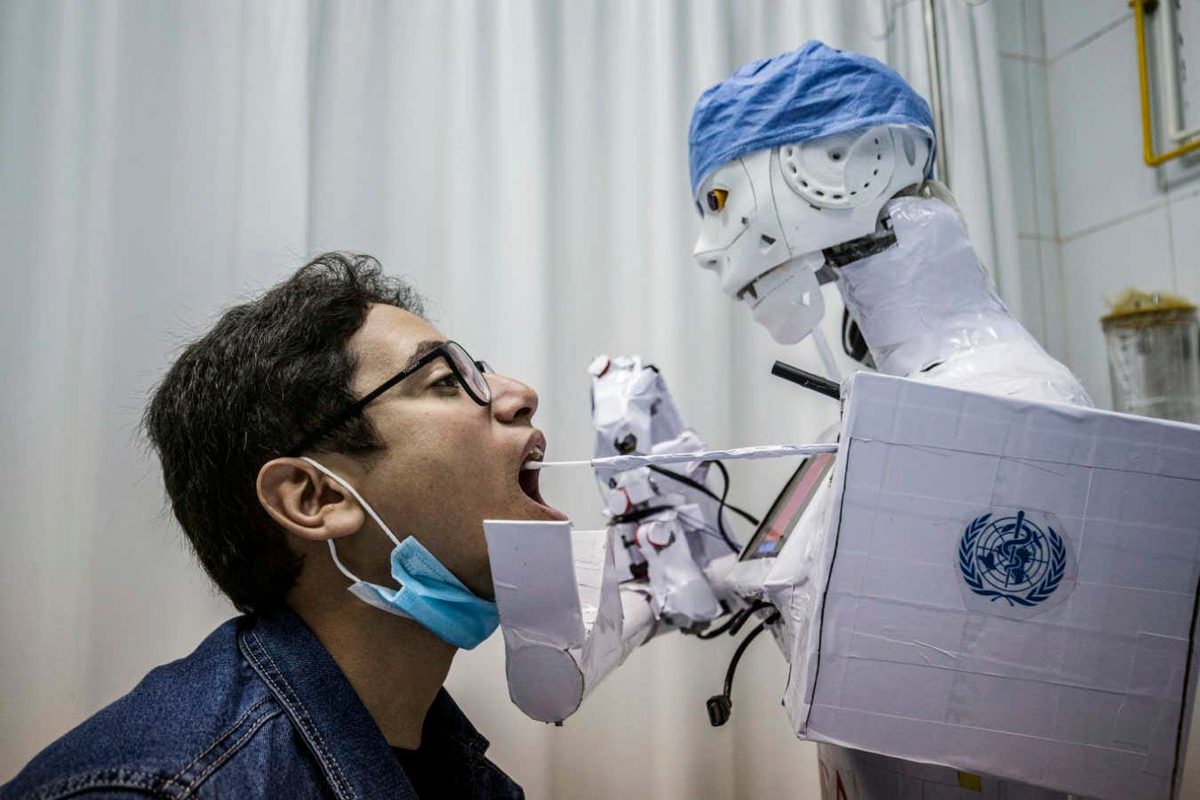
The advent of technology has ushered in a new era in healthcare, with innovations ranging from telemedicine to artificial intelligence that promise to enhance patient care and streamline operations. In her thought-provoking book, Hacking Humanity, Lara Lewington explores these developments and their potential to fundamentally change the healthcare landscape. However, while the book showcases the 'fabulous' nature of these technologies, it also raises an essential question: where is the critical analysis of these advancements?
Key Details
- Telemedicine: The pandemic accelerated the adoption of telehealth services, making healthcare more accessible.
- Artificial Intelligence: AI tools are optimizing diagnostics and personalizing treatment plans, potentially increasing efficiency.
- Wearable Technology: Devices that monitor health metrics can empower patients to take charge of their own health.
- Data Privacy: With increasing digitization comes the pressing issue of patient data protection and ethical considerations.
Background
As we navigate through an increasingly digital world, the integration of technology in healthcare has been one of the most promising yet contentious developments. Telemedicine has become a staple for many during the COVID-19 pandemic, providing crucial access to healthcare for those unable to visit clinics physically. According to Lewington, technologies like telehealth are not just temporary solutions but are likely here to stay, reshaping the patient-provider relationship.
Furthermore, artificial intelligence is revolutionizing diagnostics by analyzing vast amounts of data at speeds far beyond human capability. This shift presents the possibility of early detection of diseases, more accurate diagnoses, and ultimately, more effective treatments. However, Lewington's book also hints at a potential over-reliance on technology, raising concerns about the dehumanization of patient care.
Analysis
While Lewington effectively highlights the benefits of technological advancements in healthcare, her work invites readers to ponder deeper implications. The question of ethical responsibility arises—how can we ensure that the use of technology does not compromise the quality of care? For instance, AI algorithms are only as good as the data fed into them, which may reflect existing biases. This reliance on data can lead to disparities in care for marginalized groups if not carefully managed.
Moreover, with the surge of health monitoring devices, patients are now more in control of their health data than ever before. This empowerment is commendable; however, it also raises concerns about data privacy and the potential misuse of sensitive information. As healthcare becomes increasingly data-driven, the protection of this data becomes paramount. Lewington's discussion prompts a reflection on whether the healthcare industry is adequately prepared to handle these challenges, given the past breaches of trust regarding patient information.
In addition to ethical dilemmas, there is also the matter of accessibility. While many technological innovations promise improved healthcare delivery, they may inadvertently widen the gap for those without access to the necessary devices or internet connectivity. The digital divide remains a significant concern that must be addressed to ensure equitable healthcare access for all.
Conclusion
Lara Lewington's Hacking Humanity serves as an essential commentary on the intersection of technology and healthcare. While it celebrates the incredible advancements that technology has brought forth, it equally emphasizes the importance of a balanced perspective. As we embrace these innovations, we must remain vigilant about the ethical implications and strive for equitable access to ensure that the future of healthcare is not just about technology but about humanity as well. Critical analysis will play a pivotal role in achieving this balance, ensuring that the benefits of technology enhance rather than detract from the fundamental goal of healthcare: to provide compassionate and effective care to every individual.