Why Wall Squats and Isometric Training Are Gaining Ground in Modern Fitness
Why Wall Squats and Isometric Training Are Gaining Ground in Modern Fitness
Introduction
In an era dominated by high-intensity interval training, CrossFit marathons, and explosive plyometric routines, a quieter, less glamorous form of exercise is emerging as a foundational pillar of sustainable fitness: isometric training. Among its most accessible forms is the wall squat — a deceptively simple move where one holds a seated position against a wall with knees bent at 90 degrees. Once dismissed as little more than a warm-up or a punishment in gym class, the wall squat and similar isometric exercises are now gaining acclaim from physical therapists, fitness professionals, and sports scientists alike. As reported by Grace Wade, these static holds offer a uniquely efficient way to build strength, improve joint stability, and support long-term physical health — all with minimal impact on the body.
Key Details
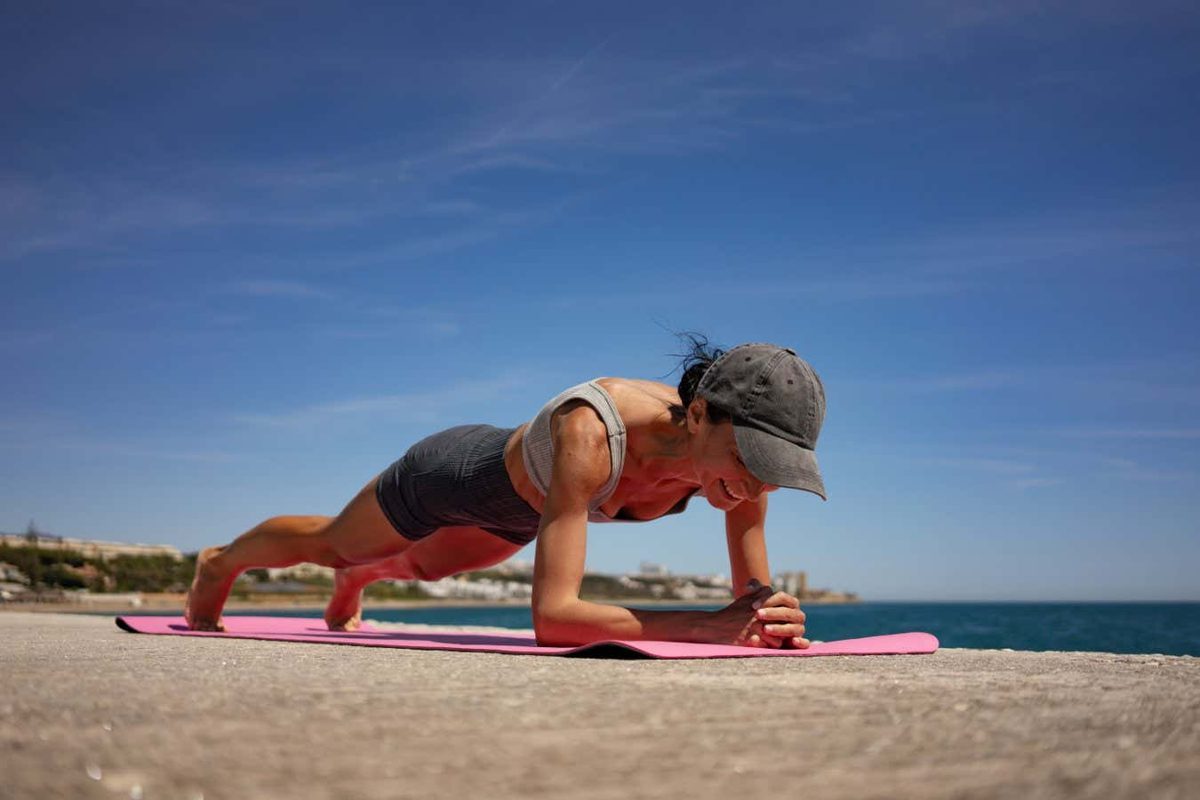
- Isometric exercises involve muscle contraction without joint movement, such as holding a plank or wall squat position.
- Wall squats specifically target the quadriceps, glutes, and core, promoting muscular endurance and joint stability.
- They are low-impact, making them ideal for older adults, rehab patients, or those with joint sensitivities.
- Studies show isometrics can reduce blood pressure, improve tendon strength, and enhance neuromuscular control.
- Even short daily sessions — as little as 3 sets of 30 seconds — can yield measurable strength improvements over time.
Background
The concept of isometric training is not new. Ancient martial arts and yoga traditions have long emphasized static postures to build strength and focus. However, modern science began to take notice in the mid-20th century. Research from the 1960s demonstrated that isometric contractions could increase muscle strength at specific joint angles. While this initially limited their appeal — because strength gains were less transferable across a full range of motion — advancements in training methodology and rehabilitation have since elevated their status. Today, isometrics are a staple in physical therapy, used to rehabilitate knee injuries, manage arthritis symptoms, and rebuild strength post-surgery without overloading healing tissues.
The wall squat, in particular, has become a go-to exercise due to its simplicity and scalability. It requires no equipment, can be modified for different fitness levels, and teaches proper alignment and core engagement. Unlike dynamic squats, which may stress the lumbar spine or knees under load, wall squats distribute body weight more evenly and encourage controlled form. This makes them especially valuable for individuals managing conditions like osteoarthritis or lower back pain.
Analysis
What makes isometric exercises like the wall squat so effective is their ability to generate high levels of muscle activation with relatively low systemic stress. During a wall squat hold, the quadriceps engage intensely, stimulating muscle fibers without the eccentric and concentric phases that often lead to soreness or injury. This static tension also improves blood flow regulation and capillary density over time, contributing to cardiovascular resilience.
Moreover, recent studies suggest isometric training can help lower resting blood pressure. A 2023 meta-analysis published in British Journal of Sports Medicine found that regular isometric exercises reduced systolic pressure by an average of 8–10 mmHg — comparable to some antihypertensive medications. This has sparked interest in prescribing wall squats and similar routines as part of non-pharmacological interventions for hypertension.
From a neurological perspective, isometrics enhance motor unit recruitment — the brain’s ability to activate muscle fibers efficiently. This translates to better coordination and injury prevention in daily movements. For aging populations, this means improved balance and reduced fall risk, making isometric training not just a fitness tool, but a longevity strategy.
Conclusion
Far from being a mere novelty or beginner exercise, the wall squat exemplifies how simplicity and science can converge in modern fitness. Its resurgence reflects a broader cultural shift toward sustainable, inclusive, and preventive approaches to health. As research continues to validate the benefits of isometric training — from cardiovascular health to joint preservation — these quiet, static holds may well become a cornerstone of holistic wellness regimens worldwide.