Foundation Season 2: A Galaxy of Potential Derailed by Narrative Missteps
Foundation Season 2: A Galaxy of Potential Derailed by Narrative Missteps
Introduction
The much-anticipated second season of Apple TV+'s Foundation, a lavish sci-fi epic based on Isaac Asimov’s seminal book series, arrived with high expectations. Building on the sprawling galactic empire, time-spanning narrative, and philosophical depth of its source material, the show promised continued exploration of psychohistory, political intrigue, and human destiny. However, under the stewardship of showrunner David S. Goyer, Season 2 has been met with lukewarm reviews and growing discontent among fans. As Bethan Ackerley notes, while the season introduces new characters and bold storylines, it fails to capitalize on its own dramatic potential, often veering into the shallow and absurd.
Key Details
- Season 2 expands the narrative across multiple planets and timelines, introducing new characters such as Brother Day’s successor and rebellious members of the Foundation.
- Despite visual spectacle and improved CGI, the pacing is inconsistent, with crucial emotional beats rushed or glossed over.
- Critical plot developments, including pivotal character deaths and political shifts, lack sufficient buildup or consequence.
- Dialogue often leans into melodrama, undermining the cerebral tone established in Season 1.
- Fans of Asimov’s original work note significant deviations from the source material, raising concerns about fidelity to the core themes of determinism and societal evolution.
Background
Foundation was originally conceived by Isaac Asimov in the 1940s as a response to the fall of the Roman Empire, reimagined on a galactic scale. The series explores the idea that large-scale human behavior can be predicted mathematically—a concept Asimov called psychohistory. The Apple TV+ adaptation, launched in 2021, sought to modernize this vision with a serialized narrative, diverse casting, and cinematic production values. Season 1 was praised for its ambition, visual grandeur, and the strong performance of Jared Harris as Hari Seldon. It laid a solid foundation—pun intended—for deeper philosophical and political exploration.
However, expanding a book series known for its conceptual complexity rather than character-driven drama into a visual medium has always been a challenge. The original novels are more concerned with the movement of civilizations than individual arcs. The show, in contrast, has leaned heavily on interpersonal conflict and royal intrigue within the Cleon dynasty—a creative choice that has drawn both praise for accessibility and criticism for straying too far from the source.
Analysis
Season 2 attempts to escalate tension by accelerating the timeline and splintering the narrative across multiple fronts: the Foundation’s struggle for autonomy, the Splinter Planet rebellions, and the genetic dynasty’s internal decay. While this fragmentation could have showcased the vastness of Asimov’s universe, it instead results in a lack of focus. Characters like Gaal Dornick and Salvor Hardin, once compelling and central, are now underutilized or reduced to reactive figures.
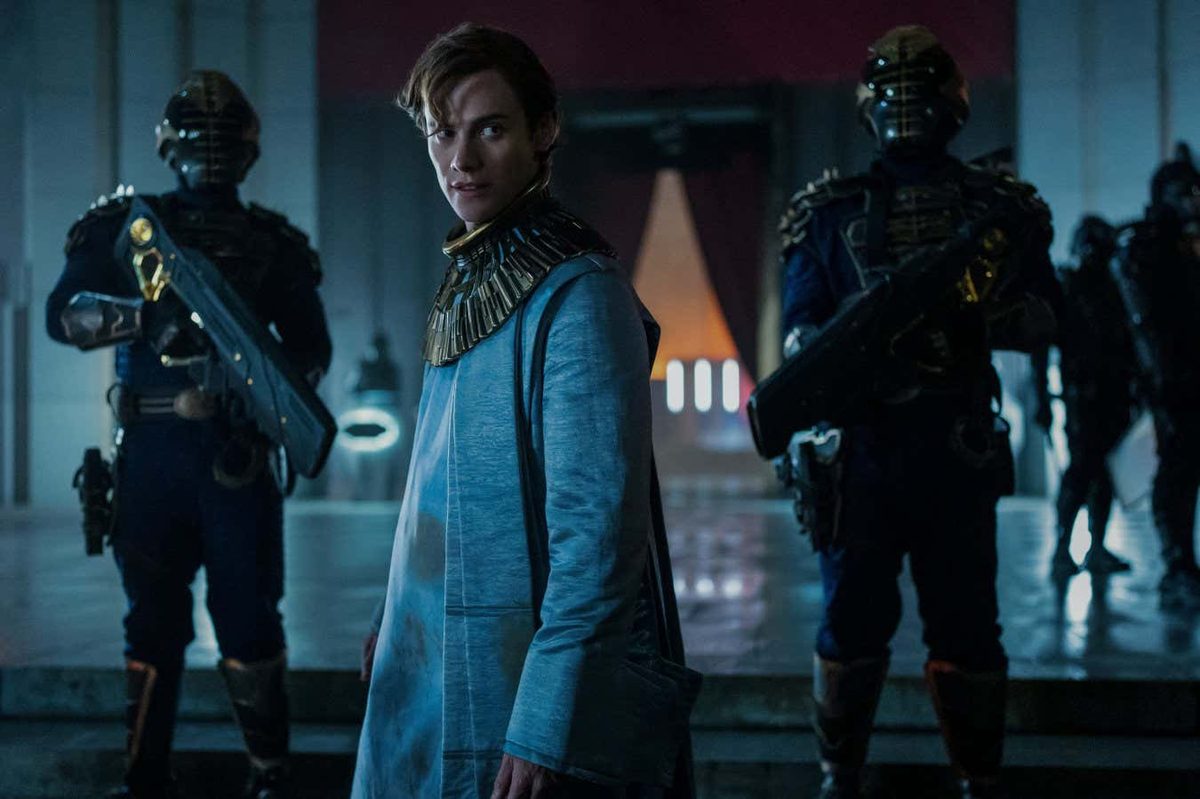
Moreover, the show’s attempt to humanize the cloned Emperors—Brother Day, Brother Dawn, and Brother Dusk—while initially intriguing, has become repetitive. Their existential musings, once poignant, now feel performative, lacking the urgency needed to sustain audience investment. The introduction of new antagonists and factions often feels rushed, with motivations left unexplained and alliances shifting without clear logic.
Perhaps the most significant issue is tonal inconsistency. Foundation began as a cerebral, almost academic exploration of fate and governance. Season 2 increasingly resembles a space opera with convoluted family drama, losing the intellectual rigor that set it apart. Emotional moments are undercut by exaggerated performances and contrived twists, making it difficult to take the stakes seriously.
Conclusion
Foundation Season 2 is a cautionary tale of how ambition, without disciplined storytelling, can falter. The series possesses all the ingredients of a classic: a profound source text, high production value, and a talented cast. Yet, its failure to balance spectacle with substance, and drama with depth, has left it adrift in a crowded sci-fi landscape. For the show to recover, it must return to its roots—not just in plot, but in theme. As Asimov reminded us, civilizations rise and fall not because of heroes or villains, but because of ideas. If Foundation wishes to endure, it must trust those ideas once more.