795 Poems Digitized from The Tale of Genji Illuminate Heian-Era Culture
Introduction
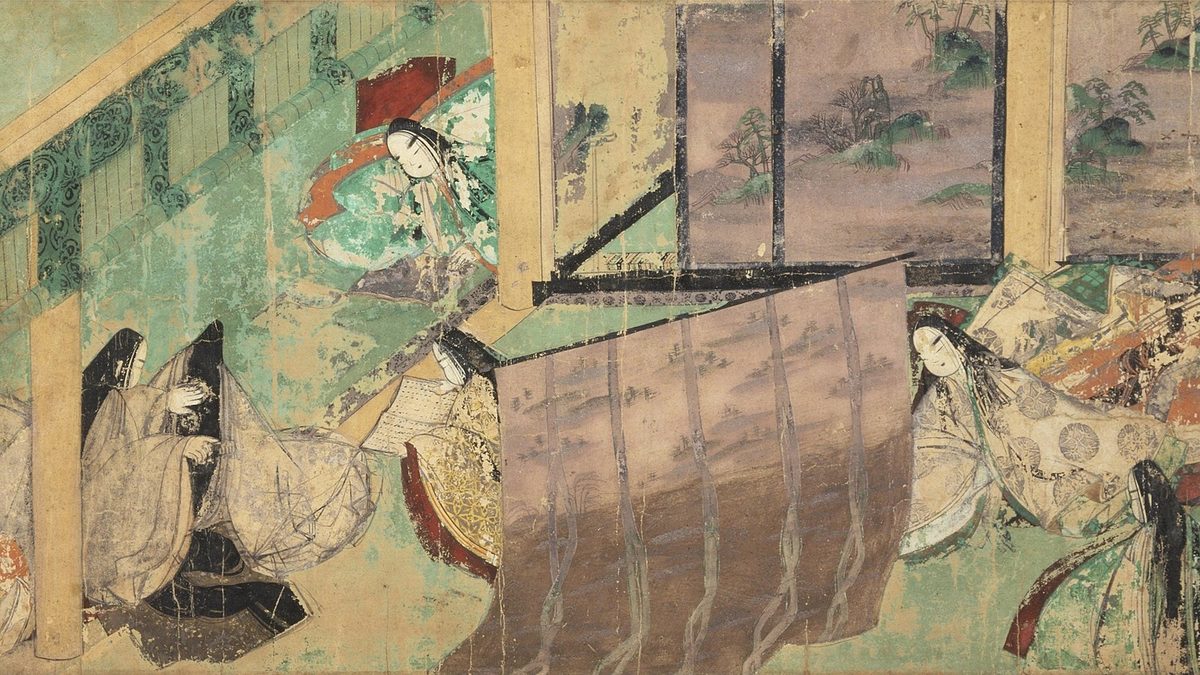
The Tale of Genji, written by Murasaki Shikibu in the early 11th century, is widely regarded as the world's first novel. Beyond its narrative of love, court intrigue, and adventure, the work contains 795 poems, each voiced by a diverse cast of characters. Over nearly a decade, Boston University students and faculty have collaborated to digitize this vast poetic corpus, creating a valuable resource that sheds new light on Heian-era literature and culture.
Key Details
- Author: Murasaki Shikibu, a lady-in-waiting at the Heian court.
- Poems: 795 embedded throughout the novel’s 1,300 pages.
- Characters: 118 distinct voices, including nobility, servants, and Genji himself.
- Project duration: Approximately 9 years, involving around 150 students.
- Output: A comprehensive digital database with nearly 4,000 entries, including translations and original texts.
- Website: Genjipoems.org, featuring poem metadata, literary analysis, and translation comparisons.
Background
The Tale of Genji is a monumental work in Japanese literature, notable for its length (over 500,000 words) and its nuanced depiction of court life during the Heian period (794–1185). Murasaki Shikibu not only crafted a complex narrative but also infused it with poetry, which reflected the key role that waka poems played in communication and social customs of the time. Each poem operates as a narrative device and a window into the emotions and perspectives of its characters.
The use of poetry in the novel was not a mere aesthetic choice; it mirrored the cultural milieu where poetry was a vital social skill. As J. Keith Vincent, associate professor of Japanese literature at Boston University, explains, memorization of The Tale of Genji became essential for aspiring poets in Japan within two centuries after its completion.
Impact Analysis
The digitization project led by Vincent began in 2016, initially as a pedagogical tool to encourage students to deeply engage with the poetic elements of the novel. By assigning extra credit for collecting and entering translations of poems, the project grew into a collaborative scholarly effort involving hundreds of hours of work from many students. This thorough compilation includes multiple English translations alongside the original Japanese, highlighting the challenges and nuances of literary translation.
“It’s a really extraordinary feat to be able to ventriloquize all of these highly distinct characters and come up with the kind of poems that they would write,” Vincent remarked, emphasizing Murasaki's literary skill.
The resulting database allows modern readers to appreciate the poems not as isolated inserts but as core components that enrich the novel’s themes and character development. The varied translations also provide insight into the interpretative decisions translators face, offering an educational experience about language, culture, and literary form.
Broader Context
This initiative sits at the intersection of digital humanities and classical literature, demonstrating how technology can revitalize historical texts. By making these poems accessible and searchable online, the project opens new avenues for research, teaching, and public engagement. It also highlights the significance of female authorship in medieval Japan, a perspective often underrepresented in global literary discourse.
Moreover, the project underscores the importance of interdisciplinary collaboration involving literature, linguistics, history, and digital design. The partnership with a design firm led by Vincent’s partner helped create an interactive, user-friendly platform that further enhances the educational value and accessibility of this ancient work.
Future Outlook
With the website live and continuously improved, the project aims to attract a diverse audience—from scholars and students to poetry enthusiasts and general readers. Future enhancements may include expanded translations, multimedia resources, and interactive tools that facilitate deeper analysis and appreciation of The Tale of Genji’s poetry.
Furthermore, the success of this project may inspire similar digitization efforts for other classical literary works worldwide, promoting a global cultural heritage accessible through modern technology.
Conclusion
The digitization of 795 poems from The Tale of Genji marks a significant achievement in literary preservation and education. By bridging centuries-old art with contemporary technology, the project not only revitalizes an ancient masterpiece but also fosters a deeper understanding of Japan’s cultural and poetic traditions. As visitors explore the website, they engage with the intricate voices of Heian-era characters and witness the enduring power of poetry as a form of human expression.