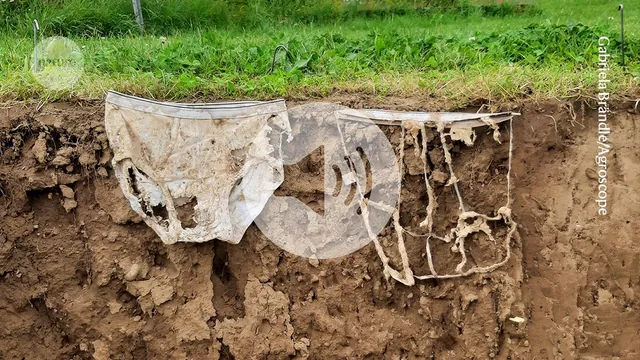
Urban Trees Thrive During Droughts Thanks to Hidden Water Sources Beneath City Streets
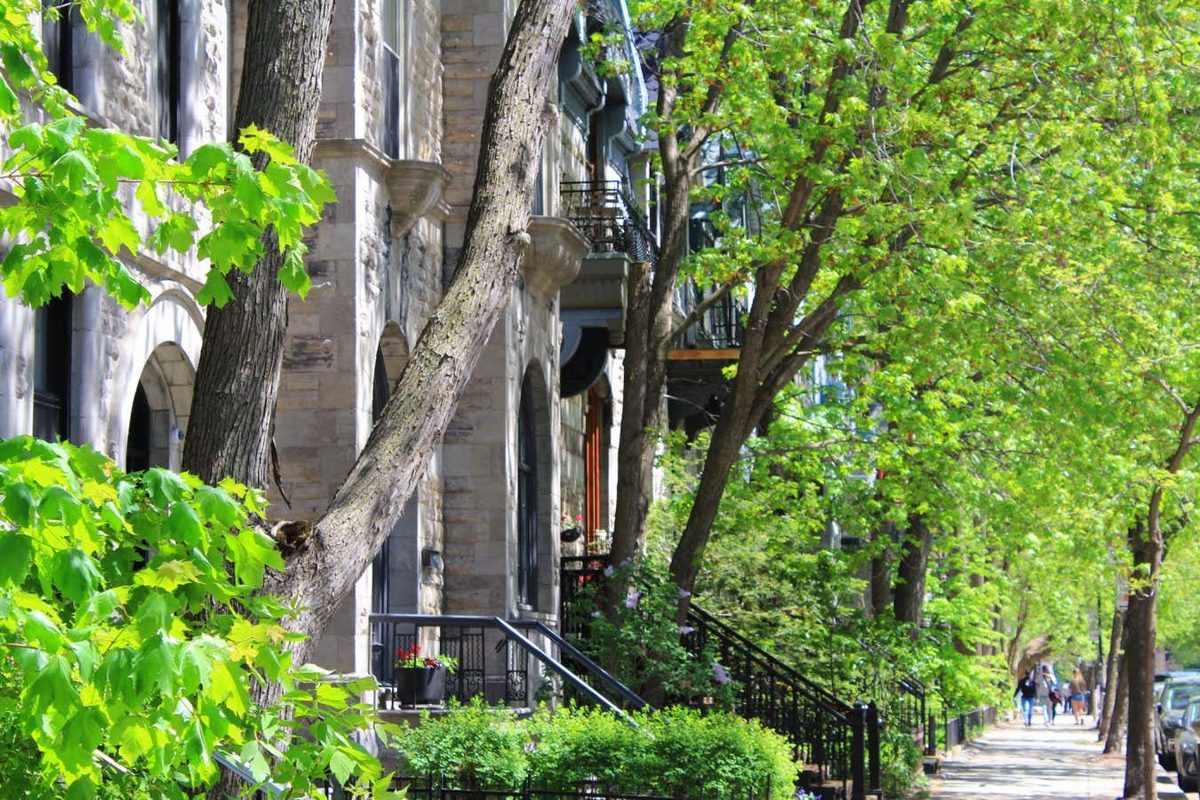
Urban Trees Thrive During Droughts Thanks to Hidden Water Sources Beneath City Streets
Introduction
As droughts become increasingly frequent and severe due to climate change, urban green spaces face mounting challenges. City planners and environmentalists have observed that trees planted along city streets often display greater resilience during dry periods compared to those in parks or open green areas. Recent studies indicate a surprising factor behind this phenomenon: leaky underground water pipes. These slow leaks provide a subtle but vital source of moisture, enabling street trees to survive drought conditions that might otherwise stress or kill them.
Key Details
- Street trees often benefit from water seeping out of aging and damaged underground water infrastructure.
- Urban parks and green spaces, despite deliberate irrigation, sometimes show more drought stress than street trees.
- The unintended irrigation from leaking pipes helps sustain tree health during periods of low rainfall.
- Understanding this dynamic can inform future urban planning and water management strategies.
Background
Urban trees provide essential ecosystem services—they improve air quality, reduce urban heat islands, support biodiversity, and enhance residents' quality of life. However, as droughts intensify globally, maintaining urban greenery becomes a formidable task. Cities invest heavily in irrigation systems to support parks and planted areas, yet the survival rate of trees in these managed environments can be inconsistent.
Conversely, street trees, which often grow in narrow soil strips between sidewalks and roads, appear to maintain better health during drought episodes. This contradicts expectations, as street trees typically face harsher conditions, including compacted soil, pollution, and restricted root space.
Research has revealed that many urban water systems are aging, leading to frequent leaks. These leaks, while representing a waste of potable water, inadvertently create micro-habitats where moisture accumulates underground. The roots of street trees access this moisture, effectively receiving a hidden supplemental water source during dry periods.
Analysis
The discovery that leaks in urban water infrastructure support street trees during drought highlights a complex relationship between human-built environments and natural systems. On one hand, leaking pipes represent inefficiency and resource loss that cities aim to minimize. On the other, these leaks contribute positively to urban ecology.
This paradox presents urban planners and policymakers with a challenge: how to balance infrastructure maintenance with ecological benefits. Complete elimination of leaks is necessary for water conservation but could unintentionally reduce available moisture for street trees, potentially increasing tree mortality and urban heat stress.
Innovative solutions could involve targeted irrigation strategies that mimic the water availability created by leaks or deploying drought-resistant tree species better suited to street environments. Additionally, this insight stresses the importance of integrating infrastructure management with urban ecology to enhance green space resilience.
Conclusion
The resilience of street trees during drought, partly due to leaky water pipes, underscores the unexpected ways urban ecosystems adapt to environmental stressors. While urban infrastructure leaks are generally viewed negatively, their ecological side effects reveal a need for nuanced management approaches that factor in both human and environmental needs.
As cities worldwide confront rising temperatures and water scarcity, understanding the interplay between infrastructure and urban greenery will be critical. Maintaining healthy urban forests requires strategies that optimize water use, protect tree health, and embrace the complexity of urban ecological systems.