New Insights into Gold's Thermal Properties Challenge Conventional Understanding
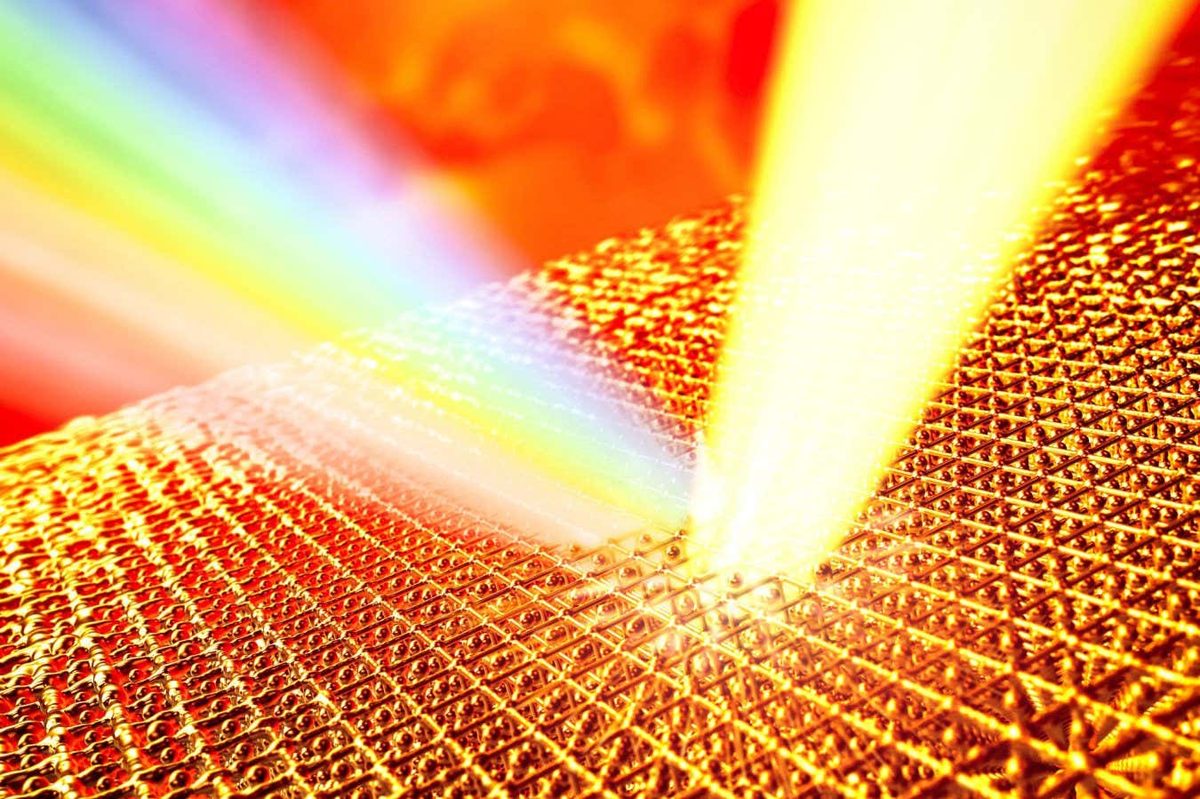
New Insights into Gold's Thermal Properties Challenge Conventional Understanding
Introduction
Gold, a metal revered for its beauty and conductivity, has long been a cornerstone of material science and engineering. Recent findings have unveiled a fascinating property of gold: it can be heated to temperatures as high as 14 times its melting point without transitioning into a liquid state. This discovery not only challenges existing theories about the thermal limits of solids but also opens new avenues for research and application in various technological fields.
Key Details
- The research indicates that under rapid heating conditions, gold can exceed its melting temperature of approximately 1,064 degrees Celsius (1,947 degrees Fahrenheit) without melting.
- This phenomenon raises questions about the theoretical limits of solid materials and their thermal stability.
- The study was conducted by a team of physicists and materials scientists who utilized advanced heating methods to observe the behavior of gold at extreme temperatures.
- Understanding these thermal properties could lead to innovations in electronics, aerospace, and other industries where high-temperature environments are commonplace.
Background
The traditional understanding of a solid's melting point is that it represents a definitive threshold where a material transitions from a solid to a liquid state. This melting point is a key characteristic in defining the material's usability in various applications. However, the new research suggests that gold can exist in a solid state even when subjected to extreme thermal conditions, which contradicts long-held beliefs.
The experiments involved rapid heating techniques, which allow for a quick temperature increase that does not give the atoms within the gold crystal lattice enough time to rearrange into a liquid form. This unexpected behavior points to the possibility that gold, and potentially other materials, can withstand conditions previously thought to be impossible for solids.
Analysis
The implications of this discovery are multifaceted. For one, it challenges the established understanding of thermodynamics in solids, particularly regarding their melting points and thermal stability. The ability of a material to endure such high temperatures could revolutionize the fields of materials science and engineering.
In practical terms, this could lead to the development of new materials that can operate effectively in extreme conditions, paving the way for advancements in various sectors. For instance, in the electronics industry, components that can function at elevated temperatures without degradation could significantly improve performance and reliability, especially in high-performance computing and aerospace applications.
Moreover, this discovery raises questions about the fundamental nature of phase transitions in materials. If gold can withstand such extreme temperatures, are there other materials that could exhibit similar properties? Exploring these questions could lead to breakthroughs in the understanding of solid-state physics and materials engineering.
Conclusion
The revelation that gold can withstand temperatures significantly beyond its melting point invites a reevaluation of the physical properties of materials. As scientists continue to explore this phenomenon, it is likely that new materials with enhanced thermal capabilities will be developed, potentially transforming a range of industries. This research underscores the importance of continual inquiry in material science and the need to question established notions, allowing for innovation and advancement in technology.