Why Cats Are Drawn to Concrete Slabs: Exploring Feline Behavior and Territory Marking
Introduction
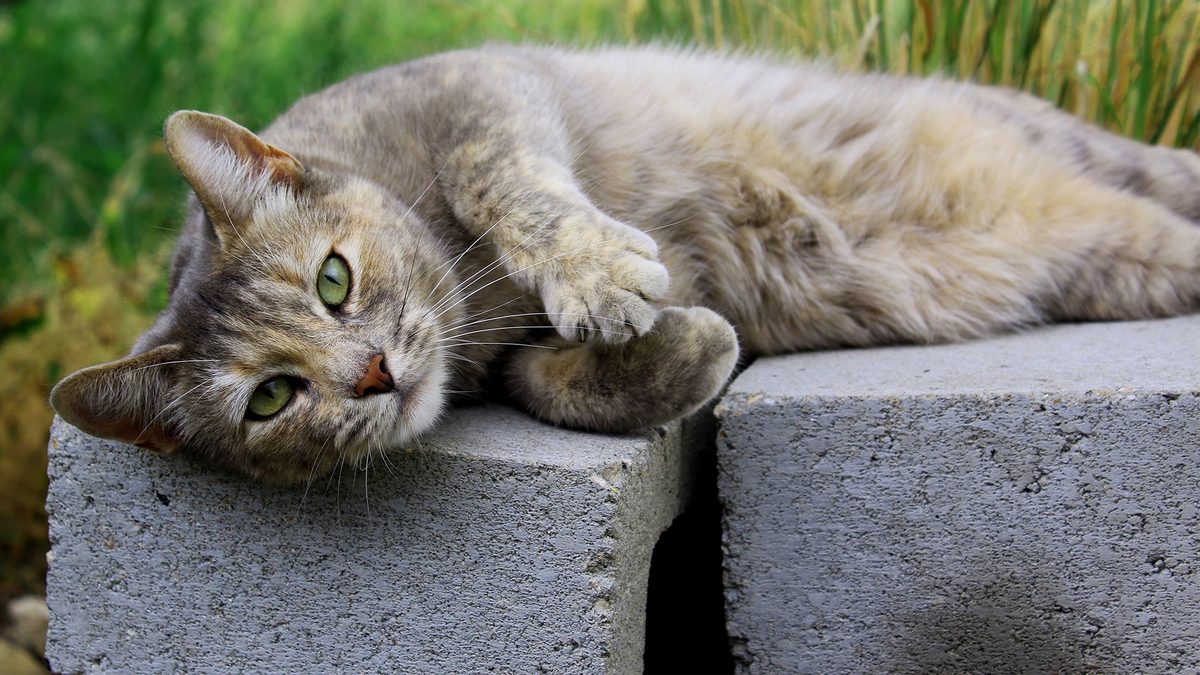
In recent times, social media platforms like Instagram and TikTok have popularized an intriguing feline trend: cats showing a marked interest in concrete slabs. Videos frequently depict cat owners presenting these hard, flat objects to their pets, who then respond with curiosity and apparent enjoyment. But what drives this unusual attraction? Veterinary cardiologist Bruce Kornreich of Cornell University’s Feline Health Center sheds light on this behavior, offering insights into feline instincts and sensory preferences.
Key Details
- Cats explore objects with varying textures, showing different preferences individually.
- Concrete’s porous surface may allow cats to deposit their scent through urine or pheromones.
- Scratching on concrete mimics natural territorial marking behaviors.
- Temperature of the slab (warm or cool) may appeal to cats seeking comfort.
- New objects like concrete slabs provide stimulation and novel territory for cats.
Background
Cats are notorious for their selective nature when it comes to textures and objects. Kornreich points out how individual cats differ in their preferences for scratching posts—some favor wood with bark, others prefer cardboard, and orientation (vertical or horizontal) plays a role as well. This diversity highlights the complexity of feline sensory interaction and territorial behaviors.
Concrete, as a material, is characterized by its porous nature. This feature is essential when considering feline scent marking, a critical communication method among cats. According to the ASPCA, urine marking serves to inform other cats about an individual’s presence, territorial boundaries, and reproductive status. Concrete’s texture may facilitate both scent deposition and physical scratching, combining two natural cat behaviors.
Impact Analysis
Scratching and scent marking: Scratching is not just play or exercise for cats; it is a vital territorial behavior. Cats have scent glands in their paws that leave pheromones when scratching objects. Concrete slabs offer a firm, satisfying surface for this purpose, potentially explaining the attraction.
Thermoregulation: Cats often seek warm or cool spots for comfort. Concrete left in the sun warms up, providing a heated surface, whereas indoor slabs in air-conditioned areas can offer a cool resting spot. This dual functionality adds to the slab’s appeal.
Exploration and stimulation: Novel items in a cat’s environment can prevent boredom and encourage mental engagement. The introduction of concrete slabs may offer a new texture and space for cats to claim, stimulating their natural curiosity.
Broader Context
Cats' behaviors towards unfamiliar objects like concrete slabs illustrate the broader theme of environmental enrichment in domestic pets. Veterinarians, including Kornreich, emphasize the importance of engaging cats with activities that mimic natural behaviors such as hunting, scratching, and scent marking to maintain their wellbeing.
Social media often captures quirky or novel animal behaviors, underscoring the need for owners to understand the underlying instincts rather than dismissing such behaviors as odd. Concrete slabs serve as an example of how cats integrate new stimuli into their routine, combining instinctual actions with environmental factors.
Future Outlook
For cat owners, this trend highlights the importance of providing varied tactile and sensory experiences to keep felines mentally and physically healthy. Kornreich recommends incorporating scratching posts of different materials and orientations, supervised outdoor time, and interactive play to simulate natural behaviors.
Further research could explore how different materials influence feline behavior and stress levels, potentially influencing pet care products and enrichment strategies. As urban living spaces evolve, understanding such preferences can improve the quality of life for domestic cats.
Conclusion
While the exact reasons why cats love concrete slabs remain partly speculative, current veterinary insights suggest that these objects fulfill several natural feline needs: scent marking, territorial scratching, temperature comfort, and environmental stimulation. As Kornreich notes, "I don’t see any real concerns" with cats interacting with concrete slabs, making them a simple yet effective addition to a cat’s environment.
"They may be saying, ‘Hey, this is a new thing. It’s kind of porous. I can put my scent on it. I can sit on top of it. I can scratch my nails on it. It also provides me with a nice little scratch on my back.’" – Bruce Kornreich
Ultimately, understanding and supporting these behaviors can deepen the bond between cats and their owners, ensuring healthier, happier pets.