Dozens of Cell Ageing Studies Compromised by Wrong Antibody Use, Investigation Reveals
Introduction
A recent investigation by independent molecular biologist Sholto David has cast a shadow over a significant number of studies focused on cell ageing. David has identified more than 50 research papers that appear to have utilized the wrong antibodies to detect a key protein associated with cellular senescence. This discovery follows closely on the heels of other high-profile cases of research errors identified by David and his colleagues, raising broader concerns about the reliability of experimental reagents and the integrity of published scientific literature.
Key Details
- Scope of the Issue: Sholto David identified at least 54 studies where researchers reportedly used antibodies targeting Escherichia coli (E. coli) β-galactosidase, instead of mammalian β-galactosidase.
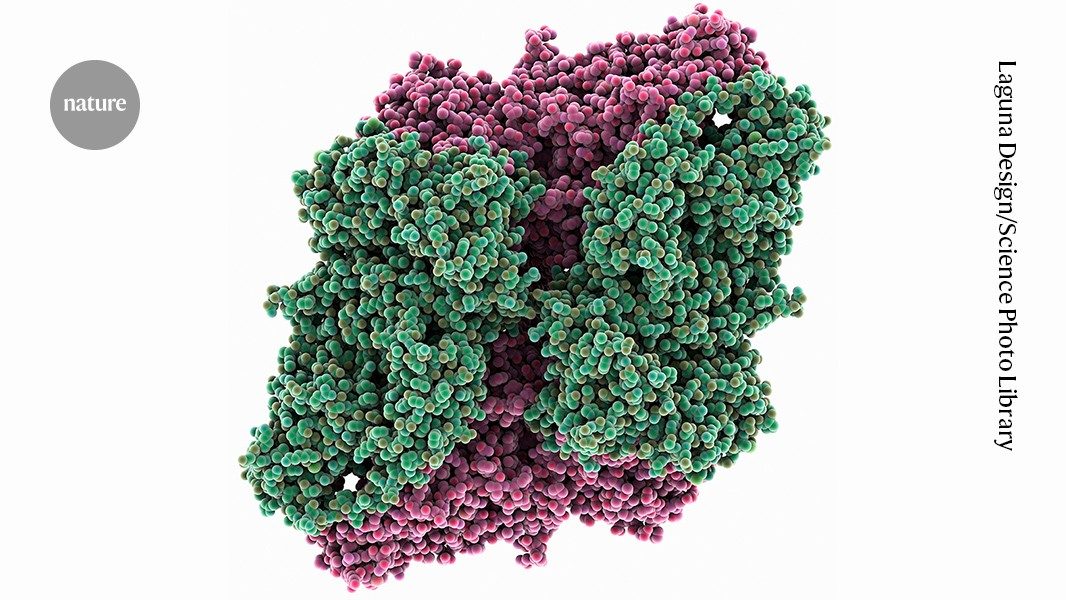
- Target Protein: The protein in question, β-galactosidase, is an enzyme whose activity is considered a hallmark of senescent cells – cells that have stopped dividing but remain metabolically active.
- Mechanism of Error: The identified studies seem to have employed antibodies designed for bacterial proteins when attempting to detect the mammalian equivalent, which is crucial for studying cell ageing in humans and other mammals.
- Potential Impact: While the exact extent to which these errors compromise the studies is still under investigation, David suggests that in some cases, the findings may be unreliable.
- Previous Incidents: This is not an isolated event. David previously identified hundreds of studies with similar antibody errors and flagged issues with antibody validation images from a major supplier, Thermo Fisher Scientific.
- Publication: The latest findings were detailed in a post on the research-integrity blog For Better Science on July 21st.
Background
Antibodies are indispensable tools in biological research, acting like molecular tags that bind specifically to target proteins, allowing scientists to track, quantify, and visualize them. However, their specificity and effectiveness can be a persistent challenge. Researchers often encounter difficulties in replicating experiments, even when using the same antibody, and sometimes antibodies are found to bind to unintended targets, leading to erroneous conclusions. The current case highlights a specific type of error: a mix-up between antibodies for bacterial and mammalian versions of the same protein. In the context of cell ageing, researchers use antibodies to identify senescence, a process implicated in aging and age-related diseases. Senescent cells accumulate in tissues, contributing to inflammation and tissue damage. The enzyme β-galactosidase is a widely used marker for senescence, and detecting its presence in mammalian cells typically requires a mammalian-specific antibody.
“This is a big blunder,” Sholto David wrote on the blog, highlighting the fundamental nature of the error.
Impact Analysis
The implications of using the wrong antibody in scientific research can be profound. If the antibody does not bind to the intended target protein in mammalian cells, any subsequent analysis or conclusions drawn from experiments using that antibody are fundamentally flawed. In the case of cell ageing studies, this could mean that the observed levels of β-galactosidase activity, and therefore the assessment of senescence, are inaccurate. This could lead to a misinterpretation of the ageing process, potentially hindering the development of therapies targeting age-related conditions. Furthermore, the widespread use of these potentially flawed studies in the scientific literature could mislead other researchers, waste valuable resources, and delay scientific progress. The fact that such errors can go unnoticed through peer review and even by the researchers themselves, as indicated by Dan Liebermann’s experience, underscores a systemic issue in research validation processes.
Broader Context
This incident is emblematic of a larger, persistent problem in biomedical research: the inadequate characterization and validation of experimental reagents. “In an ideal world, researchers would validate the antibodies... before starting an experiment. But this can be time-consuming and expensive,” notes Aled Edwards, a biochemist at the Structural Genome Consortium. The reliance on commercial antibodies, coupled with insufficient in-house validation, creates a vulnerability. Jennifer Byrne, a cancer researcher, points out that while some manufacturers might include generic disclaimers about potential cross-reactivity, experimental confirmation is often lacking. This issue is particularly concerning as artificial intelligence (AI) models are increasingly employed to sift through vast amounts of research literature to identify potential drug targets. If the underlying data used to train these AI models is based on flawed experiments due to incorrect reagents, the AI’s predictions could be fundamentally misguided, potentially leading research down unproductive paths.
Future Outlook
The ongoing scrutiny of research integrity, spearheaded by individuals like Sholto David, is likely to intensify. As research methodologies become more sophisticated and the volume of published data grows exponentially, the need for robust validation of experimental tools becomes paramount. Publishers like Springer Nature have acknowledged the concerns and stated they will take “appropriate editorial action” if the validity of the concerns is confirmed. This suggests a growing commitment from journals to address such issues. However, the onus also lies on researchers, institutions, and funding bodies to prioritize and invest in rigorous antibody validation and reagent quality control. Improved guidelines, standardized validation protocols, and perhaps even dedicated databases for validated reagents could help mitigate such errors in the future. The potential for AI to accelerate scientific discovery also necessitates a parallel increase in the rigor of the data it relies upon.
Conclusion
The identification of over 50 cell ageing studies potentially compromised by the use of incorrect antibodies is a significant finding that warrants serious attention. It highlights critical weaknesses in the validation of experimental reagents within the scientific community. While the full impact on the affected studies remains to be determined, the case underscores the importance of meticulous experimental practice and robust quality control. Addressing this issue requires a multi-faceted approach involving researchers, suppliers, publishers, and potentially the development of new tools and standards to ensure the reliability of scientific findings moving forward. The work of independent researchers like Sholto David is crucial in maintaining the integrity of the scientific record.
Source: nature.com