Distinct Culinary Practices Among Neanderthal Groups Highlight Early Cultural Diversity
Introduction
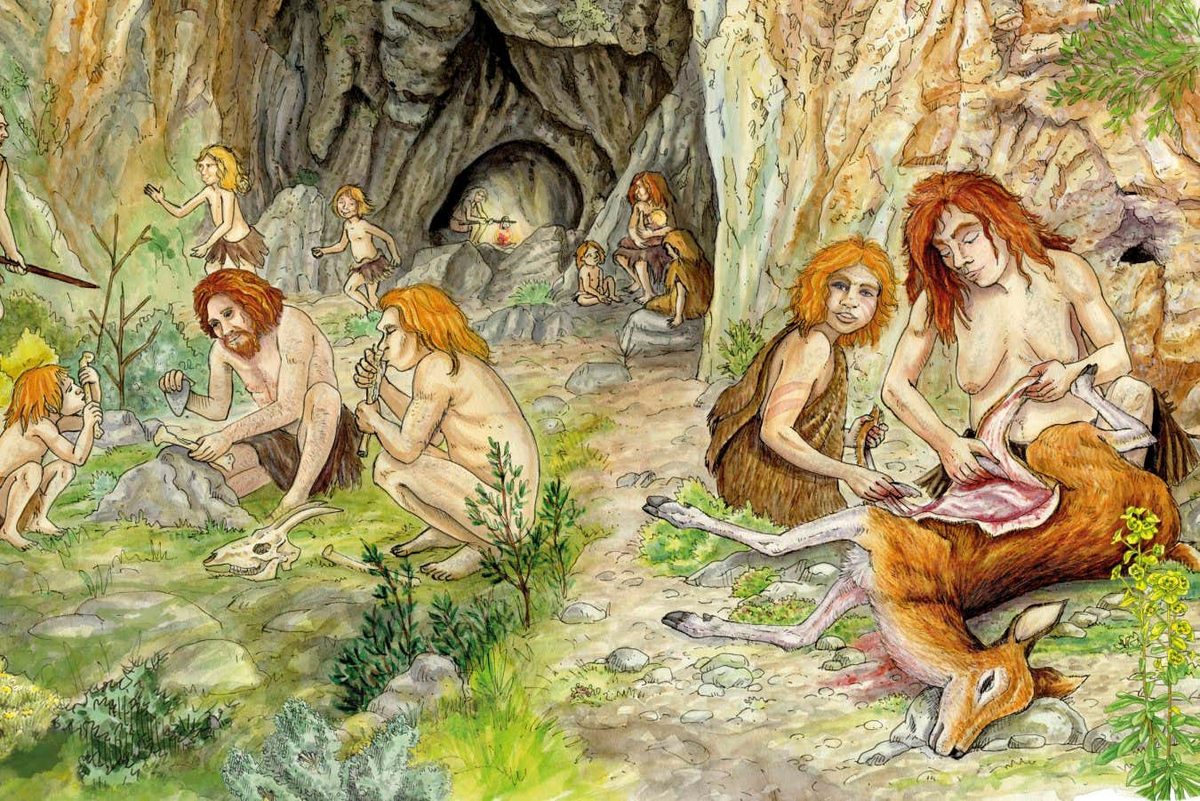
New archaeological findings have shed light on the varied culinary habits of Neanderthal groups, suggesting that even populations living relatively near one another exhibited distinct local food cultures. By examining microscopic cut marks on animal bones, researchers have uncovered differences in butchering methods that reveal a surprising level of cultural complexity among Neanderthals, a species often stereotyped as uniform in behavior.
Key Details
- Analysis focused on cut marks found on bones from multiple Neanderthal sites located within a geographically limited area.
- Variations in the placement, angle, and depth of cuts suggest distinct butchering techniques and possibly different tools or processing sequences.
- These differences imply that Neanderthal groups had localized traditions or knowledge systems related to food preparation.
- The study challenges the previously held assumption that Neanderthal behavior was relatively homogeneous across regions.
Background
Neanderthals lived across Eurasia from approximately 400,000 to 40,000 years ago. Despite extensive fossil and archaeological evidence, many aspects of their social and cultural lives remain poorly understood. Traditionally, Neanderthals have been portrayed as largely similar in their subsistence strategies, primarily focused on hunting large game with rudimentary tools. However, recent advances in forensic archaeology and microscopic analysis of bone remains have opened new avenues for understanding variations in their behavior.
The butchering of animal carcasses is a crucial part of survival for hunter-gatherer societies, affecting nutrition, tool use, and social coordination. Differences in butchering techniques can reflect adaptations to local environments, availability of resources, or cultural preferences passed down through generations.
Analysis
The study utilized high-resolution imaging and comparative analysis of cut marks across adjacent Neanderthal sites. The observed distinctions in butchering patterns suggest more than just functional differences; they hint at culturally transmitted knowledge and possibly social identities tied to food processing methods.
Such findings align with emerging views that Neanderthals had complex social structures and cognitive abilities comparable in some ways to early modern humans. The presence of local 'food cultures' could indicate group-specific traditions, teaching methods, or even symbolic behaviors related to food preparation.
This diversity also has implications for understanding Neanderthal interactions. If groups maintained distinct culinary traditions despite geographic proximity, it could mean limited cultural exchange or strong group identities. Alternatively, it might reflect adaptive responses to micro-environmental differences between sites.
Conclusion
These new insights into Neanderthal butchering practices contribute significantly to the evolving narrative of Neanderthal life, emphasizing their cultural richness and adaptability. Recognizing local food cultures among Neanderthals challenges monolithic views of prehistoric hominins and underscores the importance of detailed archaeological analyses to uncover the nuances of ancient human behavior. Ongoing research will hopefully continue to unravel the complexities of Neanderthal society and their relationship with the environment.