Why Campfire Cooking Enhances Flavor: The Science Behind a Timeless Multisensory Experience
Introduction
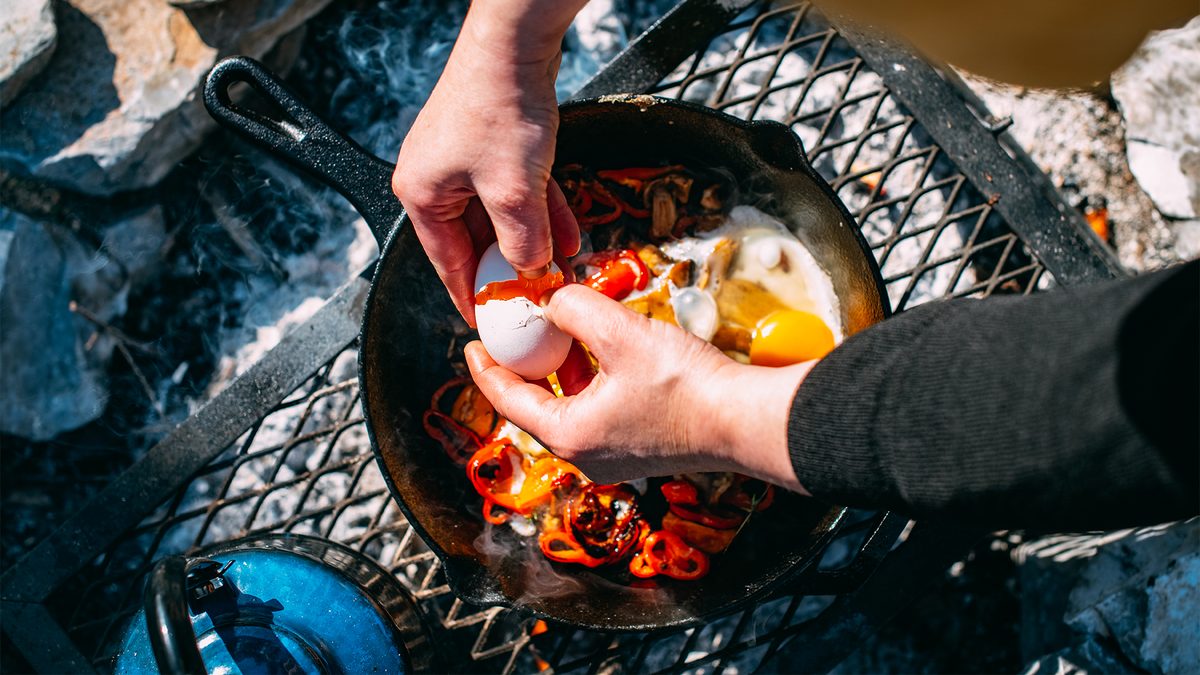
Beneath a starlit sky in the heart of a forest, the aroma of food cooking over an open campfire often seems more delicious than any meal prepared indoors. Whether after a long hike or during a shared outdoor gathering, food eaten by the fire frequently tastes richer, more complex, and more satisfying. But why? This question, explored by evolutionary biologist Robert Dunn in his book Delicious: The Evolution of Flavor and How It Made Us Human, reveals a fascinating interplay of chemistry, psychology, sensory perception, and ancient human traditions.
Key Details
- Multisensory flavor perception: Flavor is a combination of taste, smell, texture, temperature, sound, and memory.
- Retronsal olfaction: Aromas from food and fire reach the nasal cavity through the back of the mouth, intensifying flavor.
- Chemistry of fire cooking: The Maillard reaction and pyrolysis create hundreds of flavor compounds and smoky notes.
- Environmental influences: Nature reduces stress hormones and heightens sensory sensitivity, enhancing taste.
- Social and psychological factors: Shared firelight promotes bonding and increases oxytocin, amplifying enjoyment.
- Historical context: Humans have cooked over fire for over a million years, making it a deeply ingrained ritual.
Background
The sensory experience of flavor is complex. While taste buds detect sweetness, saltiness, bitterness, sourness, and umami, much of flavor perception comes from smell — in particular, retronsal olfaction, where aromatic particles from food travel from the mouth to the nasal cavity. Around a campfire, this is enhanced by the smoke and aromas from burning wood, which contain compounds like guaiacol and syringol, known to enhance umami and sweetness.
The chemical processes involved in fire cooking include the Maillard reaction, where amino acids and sugars recombine under heat to produce complex flavor molecules responsible for the appealing browned crusts on grilled meats and toasted marshmallows. Additionally, pyrolysis—the thermal decomposition of organic matter—adds smoky, sometimes bitter notes that cannot be replicated by conventional stovetop cooking.
Impact Analysis
Beyond the chemistry, environmental psychology reveals that spending time in nature lowers cortisol, a stress hormone, and sharpens attention and sensory responsiveness. This heightened state of awareness means that people literally taste food more vividly when outdoors. Furthermore, the effort justification effect—valuing something more because of the effort invested—makes food prepared over a campfire, often after hiking or gathering wood, taste more rewarding.
Firelight itself has calming effects on the brain, increasing oxytocin, the so-called "bonding hormone." This hormonal boost fosters social connection, similar to grooming behaviors in primates. Thus, eating by the fire is not only a gustatory experience but a social ritual that deepens human bonds and collective joy.
“When you’re around a fire, you’re kind of in the pot. You’re fully experiencing the results of the cooking and of the eating.” — Robert Dunn
Broader Context
Cooking with fire is one of the oldest human activities. Anthropological evidence suggests our ancestors began harnessing fire to cook food over a million years ago, which revolutionized diet and social behavior. Fire made food safer, more digestible, and transformed meals into shared, communal experiences, fostering cooperation and cultural development.
Today, the campfire remains a symbol of togetherness, connecting us to ancient traditions and evoking nostalgia. The sensory and emotional experience of sitting by a fire—sharing stories, gazing at stars, tasting smoky, charred food—engages not just our senses but our memories and social instincts.
Future Outlook
As modern life becomes increasingly urbanized and technology-driven, opportunities to engage with nature and primitive rituals like campfire cooking may diminish. However, the resurgence of outdoor activities and interest in slow food movements suggests a growing appreciation for these multisensory experiences. Understanding the science behind why food tastes better by the fire could inspire innovations in culinary arts and outdoor leisure that emphasize connection, mindfulness, and sensory richness.
Conclusion
The superior flavor of campfire-cooked food is not a simple matter of taste but the product of an intricate mosaic of chemical reactions, sensory phenomena, psychological states, and social dynamics deeply rooted in human evolution. The campfire’s glow illuminates more than just the forest; it lights up a profound human experience—one that involves bonding, memory, nature, and flavor all at once. Next time you gather around a fire, savor not only the food but the rich tapestry of sensations and history it represents.