The Paradox of Clean Air: Rising Heatwaves in Urban Areas
The Paradox of Clean Air: Rising Heatwaves in Urban Areas
Introduction
The pursuit of cleaner air is a noble goal, driven by the understanding that reducing air pollution is vital for public health. However, recent studies reveal a troubling paradox: the same efforts to improve air quality in urban environments may be contributing to an increase in heatwaves. This unexpected consequence highlights the complex interplay between environmental health initiatives and climate change dynamics, raising critical questions about sustainability and urban planning.
Key Details
- Air pollution reduction is linked to improved public health outcomes.
- Cleaner air allows for increased solar radiation absorption, raising local temperatures.
- Urban areas, often known as heat islands, experience amplified effects of climate change.
- Increased heatwaves pose significant health risks, particularly for vulnerable populations.
- Mitigating heatwave impacts requires innovative urban design and policy interventions.
Background
For decades, cities have struggled with poor air quality, primarily due to emissions from vehicles, industrial processes, and other pollutants. Initiatives to combat air pollution have included stricter regulations on emissions, promotion of public transportation, and the introduction of green technologies. These efforts have generally been met with success; urban air quality has improved in many regions, leading to lower incidences of respiratory illnesses, heart disease, and other health problems associated with polluted air.
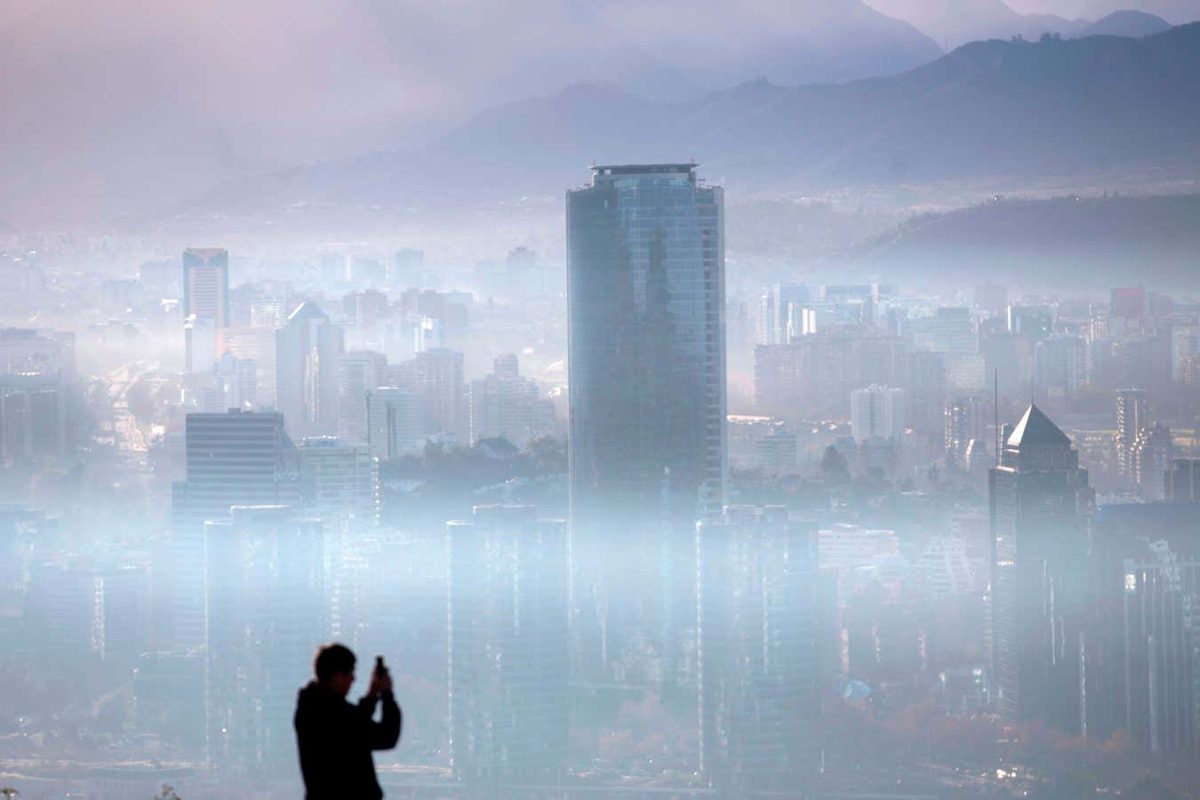
However, the reduction in particulate matter and other pollutants also alters the urban climate. With fewer pollutants in the atmosphere, cities can absorb more solar energy. This phenomenon results in higher temperatures, particularly during the day, contributing to an increase in the frequency and intensity of heatwaves. Urban areas, which are already prone to the 'urban heat island' effect—where built environments trap heat—are now facing even more extreme temperature variations.
Analysis
The relationship between improved air quality and rising heatwaves is a classic case of unintended consequences in environmental policy. On one hand, cleaner air is essential for public health, reducing mortality rates and enhancing the quality of life for residents. On the other hand, the warming effects of cleaner air raise significant concerns, particularly in cities where vulnerable populations reside.
During heatwaves, the elderly, children, and those with pre-existing health conditions are at increased risk. Heat-related illnesses, such as heat exhaustion and heatstroke, can lead to hospitalizations and, in severe cases, death. Moreover, as cities become hotter, the demand for electricity increases, leading to higher emissions from power plants, which can negate some of the health benefits gained from reduced air pollution.
Urban planners and policymakers face a challenging dilemma: how to maintain the gains achieved in air quality while addressing the rising temperatures associated with these improvements. Innovative solutions such as increasing green spaces, implementing cool roofs, and enhancing urban vegetation can help mitigate heat impacts while maintaining air quality standards. Additionally, public awareness campaigns can educate residents about the dangers of heatwaves and promote community resilience strategies.
Conclusion
The complex relationship between air quality and temperature underscores the importance of a holistic approach to environmental policy. While reducing air pollution is critical for public health, it is equally important to address the climate implications of such efforts. As urban centers continue to grow, a multi-faceted strategy that incorporates climate adaptation measures will be essential for sustaining the health of both the environment and its inhabitants. Collaborative efforts between governments, communities, and environmental organizations will be crucial in navigating these challenges and ensuring a healthier, more sustainable future for all.