Leaky Pipes Sustain Urban Trees During Droughts: Hidden Lifeline Beneath City Streets
Leaky Pipes Sustain Urban Trees During Droughts: Hidden Lifeline Beneath City Streets
Introduction
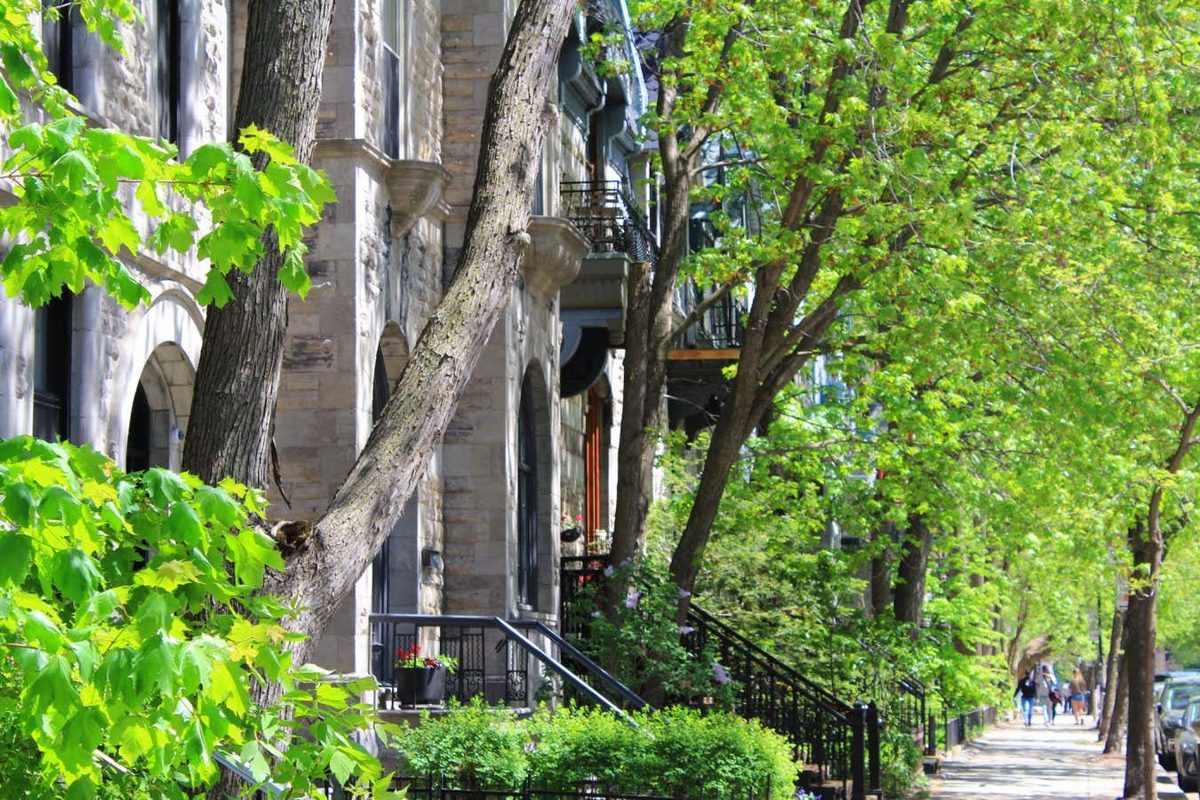
In the face of increasingly frequent and severe droughts driven by climate change, urban trees have become vital components of city ecosystems. They provide shade, reduce heat island effects, improve air quality, and enhance mental well-being. Yet, their survival in arid conditions has long puzzled scientists—particularly why street trees often outperform their park-dwelling counterparts during dry periods. Recent research suggests a surprising explanation: leaky water pipes beneath city streets are unintentionally irrigating urban trees, giving them a hidden advantage.
Key Details
- Street trees demonstrate greater resilience during droughts compared to trees in parks and open green spaces.
- Studies using soil moisture sensors and tree health assessments show higher water availability near underground water infrastructure.
- Root systems of street trees frequently grow toward and access water from small leaks in aging municipal pipes.
- This phenomenon is especially pronounced in older cities with outdated water systems, such as those in the northeastern United States and parts of Europe.
- While beneficial for tree survival, pipe leaks represent significant water waste and potential infrastructure risks.
Background
Urban forestry has gained renewed importance as cities seek to adapt to climate change. Trees planted along sidewalks and roadways face harsh conditions—compacted soil, pollution, limited root space, and high surface temperatures. In contrast, park trees typically enjoy deeper soils, less compaction, and dedicated irrigation. Logically, park trees should thrive more. However, observations in cities like Boston, Philadelphia, and London have consistently shown that street trees maintain better health during prolonged droughts.
Researchers began investigating this anomaly by examining soil moisture patterns. They discovered that areas adjacent to water mains and service lines retained more moisture, even during extended dry periods. Further analysis using tracer dyes and root mapping confirmed that tree roots were actively exploiting tiny fractures and joint leaks in underground pipes, effectively tapping into a steady, if unintended, water source.
This underground irrigation is not uniform. Trees near older cast-iron or deteriorating PVC pipes benefit most, as these materials are more prone to seepage. Modern repairs and pipe replacements reduce leakage but may inadvertently threaten tree health if no alternative water sources are provided.
Analysis
The discovery underscores a paradox in urban infrastructure: aging systems, often criticized for inefficiency, are inadvertently supporting urban biodiversity. While leaking pipes represent a loss of treated water—sometimes up to 20–30% in older cities—their ecological side effects have gone largely unacknowledged. This unintended irrigation may be buffering the impacts of climate change on urban greenery.
However, relying on leaks is not a sustainable strategy. As cities upgrade to smart water grids and reduce non-revenue water, the hidden water supply for street trees could disappear. Urban planners must consider this ecological dependency when modernizing infrastructure. Solutions may include integrating targeted irrigation systems, designing permeable pavement to capture rainwater, or installing subsurface water reservoirs near tree pits.
Moreover, this phenomenon highlights the need for interdisciplinary urban planning—merging civil engineering, hydrology, and arboriculture. Tree species selection, root zone design, and pipe placement should be coordinated to ensure long-term urban forest resilience without depending on system failures.
Conclusion
The resilience of street trees during droughts, fueled by leaky pipes, reveals a complex interplay between urban infrastructure and nature. While this hidden water source offers a temporary advantage, it also exposes vulnerabilities in our approach to urban sustainability. As cities modernize, they must proactively address the needs of urban trees, ensuring they survive not because of broken pipes, but through thoughtful, climate-resilient design.