Nearly 500 Rescued Animals Find New Home at Aquarium of the Pacific
Introduction
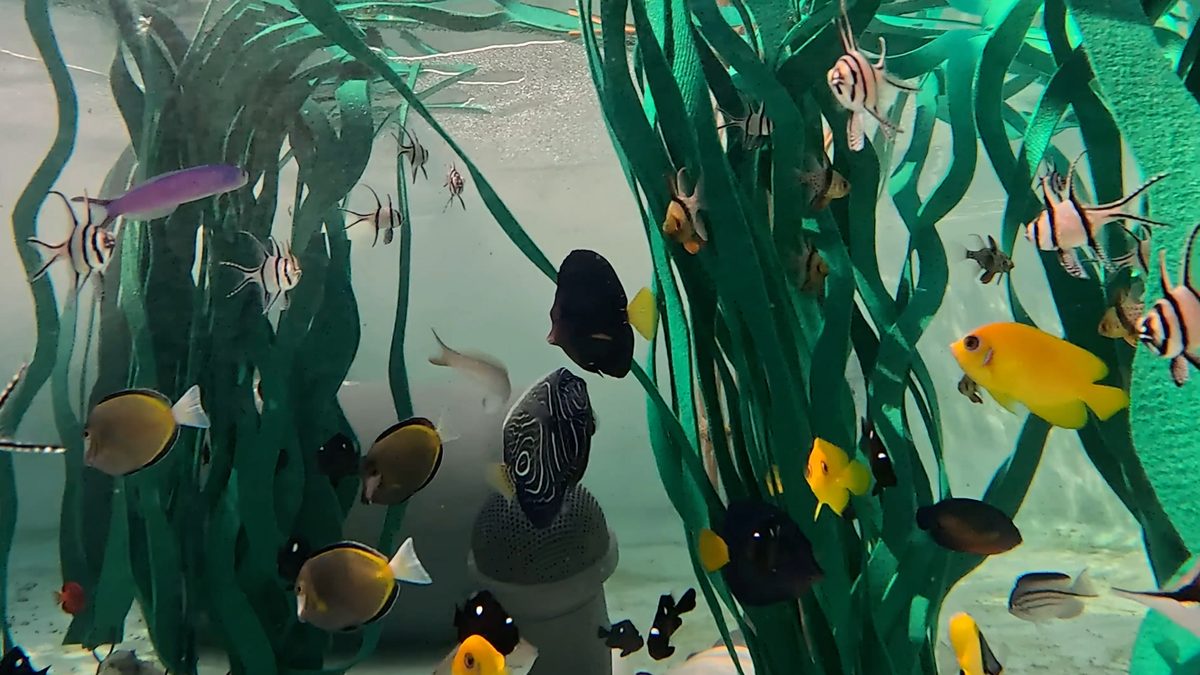
In a significant operation highlighting the ongoing battle against illegal wildlife trade, the Aquarium of the Pacific in Long Beach, California, recently welcomed nearly 500 animals rescued from trafficking. This large influx of marine life, including sharks, invertebrates, and various fish species, underscores the critical role aquariums play in providing sanctuary for animals confiscated from illicit trade networks. The rescue operation was swift, with aquarium staff working around the clock to ensure the well-being of the new arrivals.
Key Details
- Number of Animals: Approximately 500 marine animals.
- Species Involved: Brownbanded bamboo sharks (Chiloscyllium punctatum), ocellaris clownfish (Amphiprion ocellaris), and Banggai cardinalfish (Pterapogon kauderni).
- Conservation Status: Brownbanded bamboo sharks are listed as Near Threatened by the IUCN Red List, and Banggai cardinalfish are classified as Endangered.
- Aquarium's Role: Providing immediate care, stabilization, and quarantine for trafficked animals.
- Frequency of Rescues: The aquarium has received rescued animals from over 30 confiscation events since September 2024, averaging one event every three weeks. The first eight months of 2026 saw over a dozen cases.
- Total Rescued Animals: Over 3,600 trafficked animals have been taken in by the aquarium in the past two years.
Background
The arrival of these nearly 500 animals was not a planned acquisition but a critical rescue mission. These creatures were victims of the global illegal wildlife trade, a multi-billion dollar industry that often involves immense cruelty and environmental devastation. Animals are frequently transported in overcrowded, unsanitary, and stressful conditions, leading to high mortality rates and severe health issues upon confiscation. The Aquarium of the Pacific, a leader in marine conservation and education, stepped in to provide a safe haven for these vulnerable animals.
“Every animal that arrives at the Aquarium, whether through a carefully planned acquisition or a last-minute confiscation, receives the same high standard of care. What can differ is the condition in which those animals arrive,” says Johnathan Casey, Aquarium of the Pacific curator of fish and invertebrates.
Impact Analysis
The immediate impact of this rescue is the provision of life-saving care for hundreds of animals. Upon arrival, the aquarium's expert team, including curators Alyssa Tillman and Johnathan Casey, immediately assessed the physical condition of each animal, tested water quality, and addressed individual needs. A crucial step in this process is quarantine, designed to prevent the potential spread of diseases to existing aquarium populations and to allow the rescued animals to recover from the trauma of their ordeal. The staff must often work with limited information about the animals' origins, requiring a high degree of adaptability and preparedness.
The sheer volume of animals rescued highlights a disturbing trend in illegal wildlife trafficking. The Aquarium of the Pacific's consistent involvement in confiscation events—over 30 since September 2024—indicates a persistent problem. The fact that they have taken in over 3,600 animals in just two years points to a large-scale, ongoing issue that requires significant resources and commitment from rescue organizations.
Broader Context
This event occurs within the larger context of global efforts to combat wildlife trafficking. The illegal trade in exotic pets and marine life is a significant threat to biodiversity, pushing many species towards extinction. The IUCN Red List classifications of the brownbanded bamboo shark (Near Threatened) and the Banggai cardinalfish (Endangered) serve as stark reminders of the fragility of these ecosystems. The demand for exotic pets fuels this illicit market, often driven by a lack of public awareness regarding the origins and conservation status of the animals being sold.
Future Outlook
The Aquarium of the Pacific's commitment extends beyond immediate care. They actively engage in public education, urging consumers to be more informed and responsible. “If the vendor cannot provide proof of where the animal came from, refraining from purchasing it is a way to help,” advises Casey. By promoting research into the protected status of species and encouraging purchases only from reputable vendors, the aquarium aims to reduce consumer demand that drives trafficking. This proactive approach is vital for long-term conservation, aiming to stem the flow of animals into the illegal trade at its source.
Conclusion
The arrival of nearly 500 trafficked animals at the Aquarium of the Pacific is a testament to both the severity of the illegal wildlife trade and the dedication of conservation organizations. It highlights the critical need for vigilance, robust law enforcement, and public education to protect vulnerable species. The aquarium's actions provide a vital lifeline for these animals and serve as a powerful reminder of our collective responsibility to safeguard marine biodiversity for future generations.
Source: popsci.com