Innovative Start-Up Aims to Revolutionize Waste Management by Storing Human Waste Underground
Innovative Start-Up Aims to Revolutionize Waste Management by Storing Human Waste Underground
Introduction
In an era where climate change and pollution pose significant threats to our planet, innovative solutions are more crucial than ever. One such solution is being proposed by Vaulted Deep, a tech start-up that has garnered attention for its ambitious plan to bury human waste deep underground. Backed by funding from tech giant Microsoft, Vaulted Deep argues that this method could significantly reduce carbon dioxide emissions and prevent harmful substances, often referred to as 'forever chemicals', from contaminating surface ecosystems.
Key Details
- Funding and Support: Vaulted Deep has received substantial financial backing from Microsoft, indicating confidence in their approach and potential scalability.
- Environmental Impact: The process of burying human waste is proposed as a means to sequester carbon dioxide and reduce its presence in the atmosphere.
- Addressing 'Forever Chemicals': These harmful pollutants, which can persist in the environment for an extended period, pose serious risks to both human health and ecosystems, and Vaulted Deep's method aims to mitigate this.
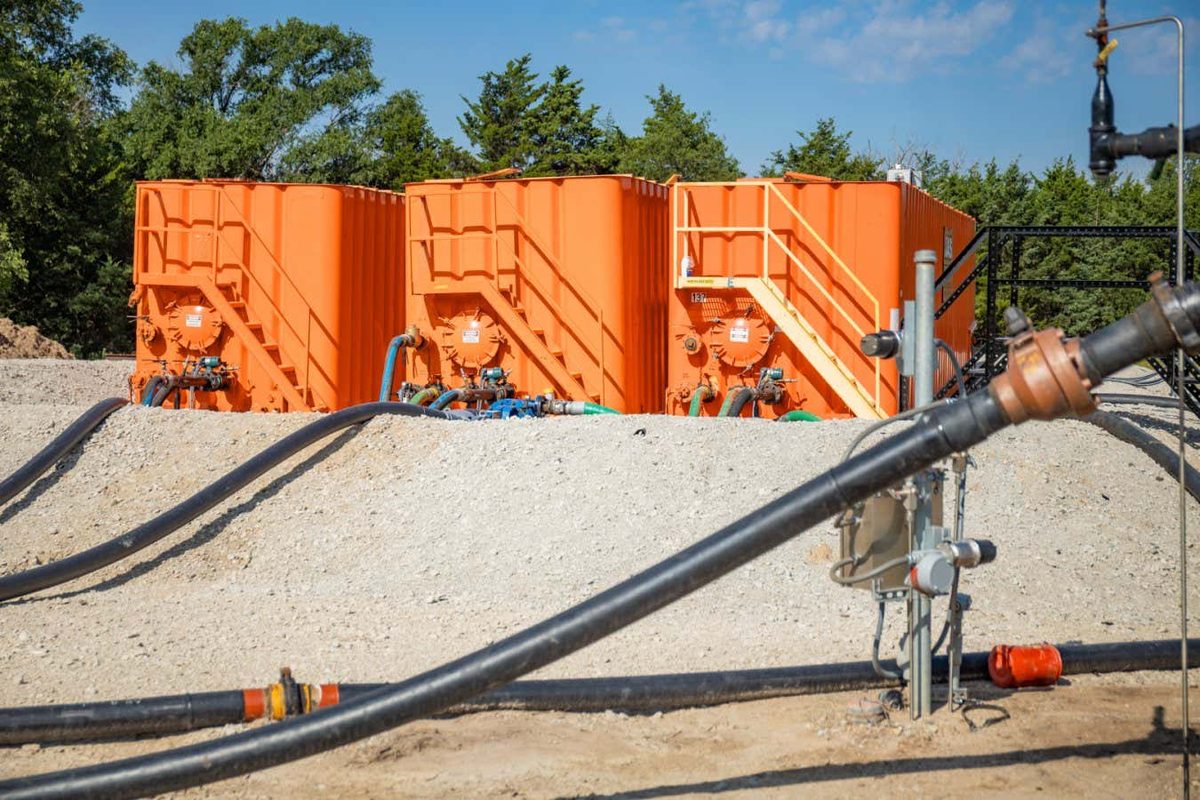
- Technological Innovations: The start-up employs advanced technology to ensure that the waste is safely and effectively buried, minimizing the risk of leakage or contamination.
Background
The issue of waste management is becoming increasingly critical as urban populations grow and environmental regulations tighten. Traditional methods of disposal, such as landfilling and incineration, have significant drawbacks including greenhouse gas emissions and potential groundwater contamination. In contrast, Vaulted Deep's approach seeks to tackle these problems head-on. By storing waste deep underground, the start-up believes it can provide a long-term solution that not only addresses waste disposal but also contributes to climate change mitigation.
Analysis
While Vaulted Deep's proposal is innovative, it raises several questions. The concept of underground waste storage is not entirely new; however, applying this method specifically to human waste presents unique challenges. Concerns about the feasibility of deep underground storage, including geological stability and potential impacts on subterranean ecosystems, need to be thoroughly examined.
Moreover, the financial backing from Microsoft suggests a strong belief in the start-up's potential, but it also brings into focus the role of big tech companies in environmental solutions. As these entities increasingly invest in sustainability, the intersection of technology and environmental responsibility is becoming a focal point in discussions about future waste management strategies.
Critics may argue that while Vaulted Deep's solution is intriguing, it might not be the most effective approach to tackle the broader issues of waste and pollution. The start-up will need to demonstrate that their solution is not just a short-term fix but a viable long-term strategy that can work alongside other waste management practices.
Conclusion
Vaulted Deep's ambitious plan to bury human waste underground as a means of combating climate change and protecting ecosystems is a notable attempt to innovate within the waste management sector. While the idea presents exciting possibilities, it is essential to thoroughly assess the potential impacts and feasibility of such a solution. As environmental challenges grow, the importance of pioneering approaches like those of Vaulted Deep will become increasingly apparent, highlighting the need for integrated solutions to ensure a sustainable future.