70% More Conversational Confidence with Babbel’s AI Partner
Introduction
Language learning has long been hailed as one of the most effective ways to expand cognitive abilities, enhance career prospects, and enrich travel experiences. However, the biggest obstacle has never been access to resources—it’s consistency and practical application. Many learners fall off after initial excitement fades, often because traditional apps focus heavily on vocabulary drills and gamified quizzes while neglecting real conversation. That’s where Babbel steps in with a new innovation: an AI-powered Conversation Partner designed to bridge the gap between theoretical learning and real-world speaking.
Key Details
- Babbel is recognized as the world’s #1 language-learning app by active subscriber count.
- The AI Conversation Partner enables interactive, realistic dialogues in 14 supported languages.
- Lessons are crafted by over 100 expert linguists and last 10–15 minutes each.
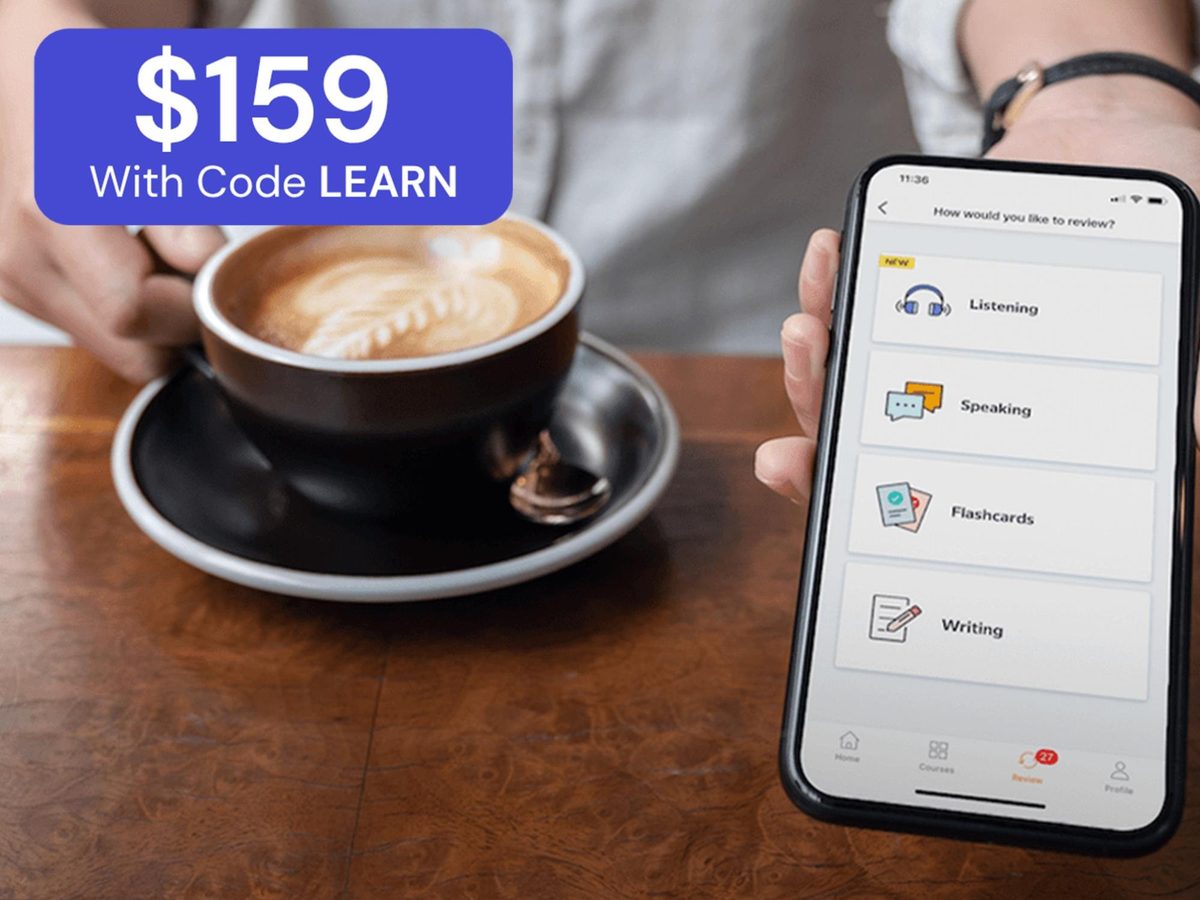
- A lifetime subscription to all languages is available for $159 (originally $599) using promo code LEARN.
- Content syncs across devices and supports offline downloads for uninterrupted learning.
- The app emphasizes pronunciation training and personalized review sessions.
Background
Founded in 2007 and based in Berlin, Babbel was built on the premise that language learning should be practical, structured, and conversation-focused from day one. Unlike some competitors that prioritize entertainment value or flashcard memorization, Babbel integrates grammar, vocabulary, and contextual usage into bite-sized lessons tailored for real-life interactions. Over the years, it has expanded to include courses in major global languages such as Spanish, French, Italian, German, Portuguese, Russian, and even Norwegian and Indonesian.
The recent integration of artificial intelligence marks a significant leap forward. While other apps have introduced chatbots or text-based responses, Babbel’s AI Conversation Partner stands out by simulating natural, voice-enabled dialogue. This feature allows users to practice not only speaking but also listening comprehension and appropriate response timing—key components often missing in self-guided platforms.
Impact Analysis
"The difference with Babbel’s AI is that it doesn’t just correct your answers—it reacts like a real person would, prompting follow-up questions and adapting to your pace,"says Dr. Elena Torres, a linguistics researcher at the University of Edinburgh who reviewed the platform’s latest update. This human-like interaction fosters what educators call "communicative competence," a critical skill that goes beyond grammar accuracy to include tone, context, and fluency.
According to internal data released by Babbel, users who engaged with the AI Conversation Partner for at least 20 sessions reported a 70% increase in conversational confidence compared to those using only core lessons. Additionally, retention rates improved by 45%, suggesting that active dialogue reinforces memory more effectively than passive review.
The impact extends beyond personal growth. In professional environments, employees with second-language proficiency often have access to broader markets, international teams, and leadership roles. Babbel’s focus on practical speaking skills makes it particularly valuable for business travelers, remote workers, and expatriates who need to communicate effectively in non-native environments.
Broader Context
The rise of AI in education reflects a larger shift toward personalized, adaptive learning. Platforms like Duolingo and Rosetta Stone have experimented with machine learning, but Babbel’s approach is unique in its pedagogical foundation. Every lesson and AI interaction is designed and reviewed by certified language instructors, ensuring linguistic accuracy and cultural relevance.
This hybrid model—combining expert-curated content with AI scalability—addresses one of edtech’s biggest challenges: maintaining quality while offering affordability and accessibility. With a lifetime subscription priced at $159 during the current promotion, Babbel becomes a cost-effective alternative to traditional language schools or private tutors, which can cost hundreds or even thousands of dollars per course.
Moreover, the ability to learn offline and across devices aligns with modern digital lifestyles. Whether commuting, traveling, or studying between work meetings, users can maintain momentum without being tied to a single platform or internet connection.
Future Outlook
Babbel plans to further refine its AI engine using user feedback and natural language processing advancements. Future updates may include emotion detection to adjust conversation tone, regional dialect options, and integration with smart speakers for hands-free practice. The company has also hinted at expanding into specialized vocabulary modules for healthcare, tech, and customer service professionals.
As global connectivity increases, demand for multilingual skills will continue to grow. Babbel’s investment in conversational AI positions it as a leader not just in language learning, but in preparing individuals for a more interconnected world.
Conclusion
Learning a language is no longer just about memorizing verbs or completing levels—it’s about building the confidence to speak. Babbel’s AI Conversation Partner transforms passive study into active dialogue, offering learners a realistic path to fluency. With expert-designed lessons, cross-device syncing, and a deeply discounted lifetime access deal, now is an ideal time to start. For those who’ve struggled with other platforms, this could be the turning point that finally makes language learning stick.