Medieval Remedies Echo Modern TikTok Health Trends: New Research Doubles Known Dark Age Medical Manuscripts
Introduction
The surge of wellness tips on platforms like TikTok often blends pseudoscience with genuine medicinal traditions. While some treatments, such as acupuncture, have ancient and scientifically supported roots, many others lack credibility. Interestingly, recent research into centuries-old medical texts reveals that some medieval remedies bear surprising similarities to today’s social media health trends.
Key Details
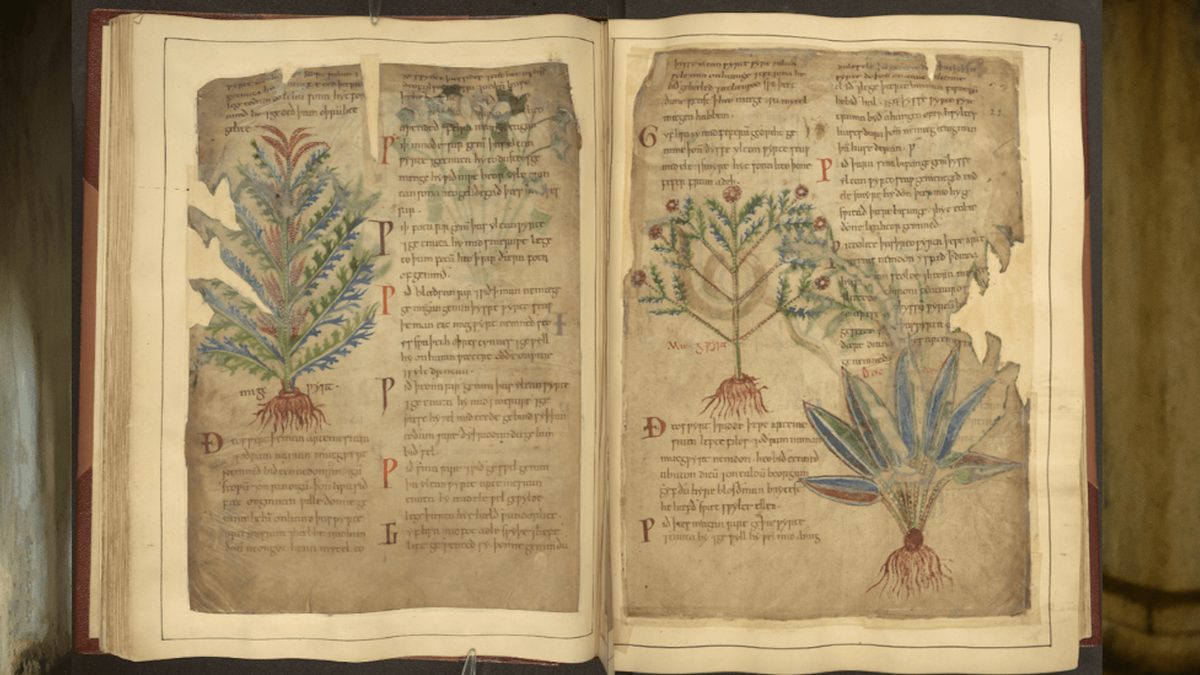
- Medieval historian Meg Leja and colleagues have nearly doubled the catalog of Dark Age Latin medical manuscripts through the Corpus of Early Medieval Latin Medicine (CEMLM).
- The manuscripts date to pre-11th century Europe and include treatments ranging from herbal ointments to detox cleanses.
- Some remedies, such as using rose oil for headaches, have modern scientific support.
- Other treatments, like using vulture eyes wrapped in fox pelts for eye pain, have no scientific basis.
- Some recipes mix practical elements with bizarre ingredients, for instance, hair treatments involving burnt lizard ashes.
Background
For centuries, the so-called Dark Ages were perceived as a period devoid of scientific advancement, particularly in medicine. However, the Corpus of Early Medieval Latin Medicine project, an international collaboration, challenges this stereotype by uncovering a wealth of medical manuscripts previously overlooked in digital archives.
Meg Leja, a medieval historian at Binghamton University, explains that people from this era actively engaged in observing natural phenomena and experimenting with remedies, disproving the notion that early medieval society was anti-science.
Impact Analysis
The expanded corpus paints a more nuanced picture of early medieval medicine. While some treatments fall into the realm of superstition, many demonstrate an empirical approach to health and healing. Remedies involving herbs, alcohol, and topical salves suggest that people sought to understand and harness natural substances for therapeutic purposes.
For example, the recommendation to mix crushed peach pit and rose oil for headaches aligns with modern studies indicating rose oil’s potential analgesic properties. This suggests that some medieval practitioners relied on observation and trial rather than blind tradition.
“People in the early Middle Ages were quite into science, into observation, into figuring out the utility of different natural substances, and trying to identify patterns and make predictions,” stated Meg Leja.
However, the inclusion of unscientific elements, such as lizard ashes or feathers to hasten labor, highlights the period’s blend of emerging empirical practice with folklore and superstition.
Broader Context
The findings resonate with today’s health landscape, where credible medical advice coexists with misinformation amplified by social media. Much like medieval healers recorded both useful and bizarre treatments, modern platforms like TikTok propagate a mix of sound health practices and pseudoscientific fads.
This parallel underscores the enduring human quest to alleviate ailments through natural means, yet also the persistent challenge of discerning valid science from myth or hearsay.
Future Outlook
As the CEMLM project continues, more manuscripts may come to light, potentially reshaping our understanding of early medical knowledge and practices. Such research not only enriches historical scholarship but also provides insight into the evolution of medicine and public health.
Moreover, it invites reflection on current health information dissemination, emphasizing the need for critical evaluation of remedies—be they ancient or trending online.
Conclusion
The discovery that Dark Age medical prescriptions sometimes mirror contemporary TikTok health trends reveals fascinating continuity in human approaches to wellness. While medieval medicine was a complex mixture of observation-based treatments and superstition, it was far from the simplistic, unscientific caricature often portrayed.
Today, just as in the past, it is crucial to balance openness to natural remedies with rigorous scientific scrutiny to ensure public safety and effective healthcare.