New Insights into Mitochondria: Sleep Regulation and Energy Supply Intertwined
New Insights into Mitochondria: Sleep Regulation and Energy Supply Intertwined
Introduction
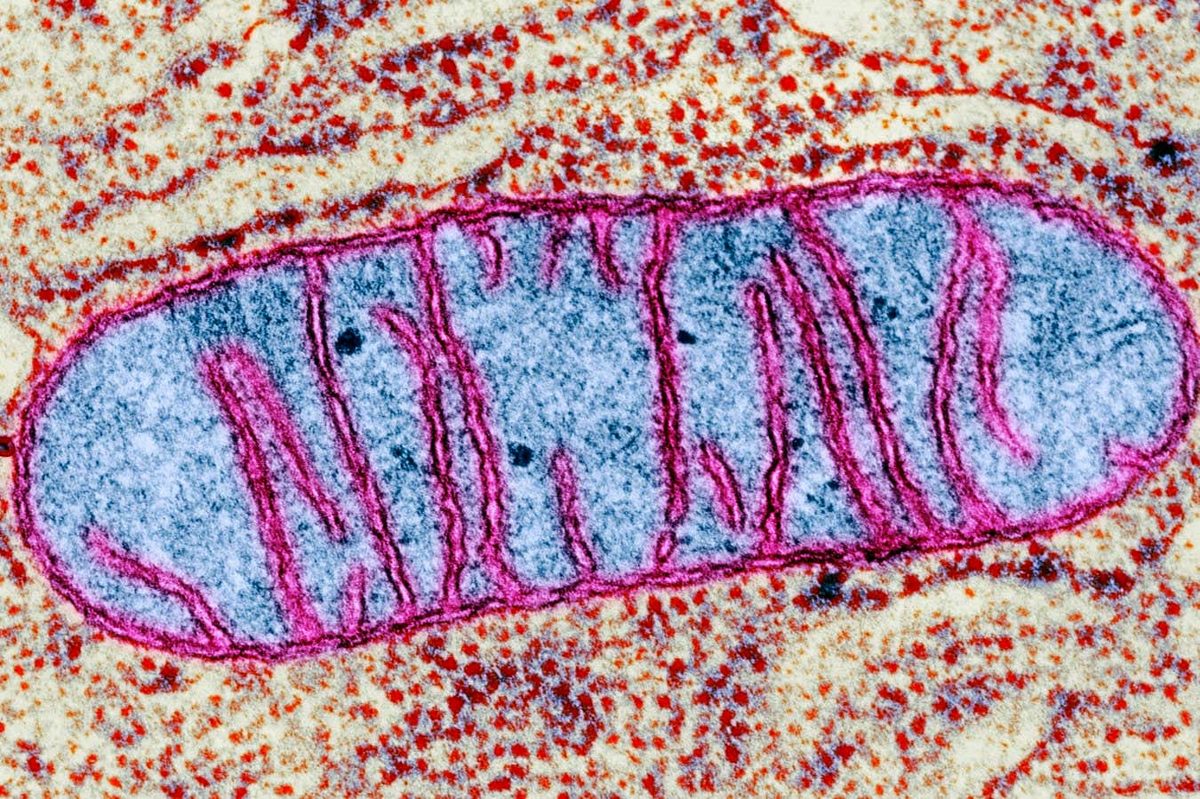
For decades, mitochondria have been celebrated as the "powerhouses" of the cell, crucial for generating energy through the process of cellular respiration. However, groundbreaking experiments conducted on fruit flies have unveiled a fascinating dimension to these organelles, suggesting their involvement in the regulation of sleep. This revelation not only challenges traditional perceptions of mitochondrial function but also opens new avenues for understanding sleep disorders and their potential treatments.
Key Details
- Mitochondrial Function: Traditionally known for energy production, mitochondria are essential for various cellular processes.
- Recent Discoveries: Experiments on fruit flies indicate a significant link between mitochondrial activity and sleep regulation.
- Implications for Sleep Research: The findings may lead to novel therapeutic strategies for sleep disorders.
- Biological Mechanisms: Understanding how mitochondria influence neuronal activity could unlock secrets of sleep regulation.
- Future Research Directions: Further studies are needed to explore the relationship between mitochondrial function and sleep across different species.
Background
The study of sleep has long been a complex field, with researchers striving to unravel its numerous mysteries. While the physiological necessity of sleep is well established, the specific mechanisms that govern sleep patterns remain elusive. Past research has predominantly focused on neurotransmitters and brain regions implicated in sleep-wake cycles. However, the role of mitochondria has been largely overlooked in this context until now.
In recent findings, researchers have employed fruit flies, an organism frequently used in genetic studies, to observe the effects of mitochondrial function on sleep behavior. By manipulating mitochondrial activity in these flies, scientists observed significant changes in their sleep patterns, indicating that mitochondria may do more than just supply energy—they may also play a pivotal role in sleep regulation.
Analysis
The implications of these discoveries are profound. First, understanding the dual roles of mitochondria could lead to a paradigm shift in sleep research. For instance, if mitochondrial dysfunction contributes to sleep disorders, targeting mitochondrial health could become a primary focus for developing interventions. This approach contrasts with traditional treatments that often focus solely on neurotransmitters or behavioral modifications.
Moreover, the connection between energy metabolism and sleep regulation is particularly intriguing. Sleep is known to be a metabolically active state, with energy consumption differing significantly from wakefulness. The revelation that mitochondria may help regulate this metabolic transition suggests an intricate relationship between how our bodies generate energy and how we experience sleep. It raises the question: could optimizing mitochondrial function enhance sleep quality or mitigate sleep-related health issues?
Furthermore, the research on fruit flies sets a promising foundation for exploring similar mechanisms in mammals, including humans. While fruit flies are significantly different from humans in many biological aspects, the fundamental principles of cellular function often remain conserved across species. Consequently, the insights gained from these experiments could inform future studies using mammalian models, potentially leading to groundbreaking therapeutic developments.
Conclusion
In conclusion, the recent research highlighting the role of mitochondria in sleep regulation represents a significant advancement in our understanding of both energy metabolism and sleep biology. As scientists continue to explore the intricate relationships between these two vital processes, we may unlock new pathways for addressing sleep disorders, providing hope for millions suffering from conditions like insomnia, sleep apnea, and other related ailments. This research encourages a broader perspective on the functions of mitochondria, suggesting that their significance may extend far beyond mere energy production and into the very fabric of our sleep-wake cycles.