Ancient Proteins from 18-Million-Year-Old Teeth Shed Light on Mammalian Evolution
Introduction
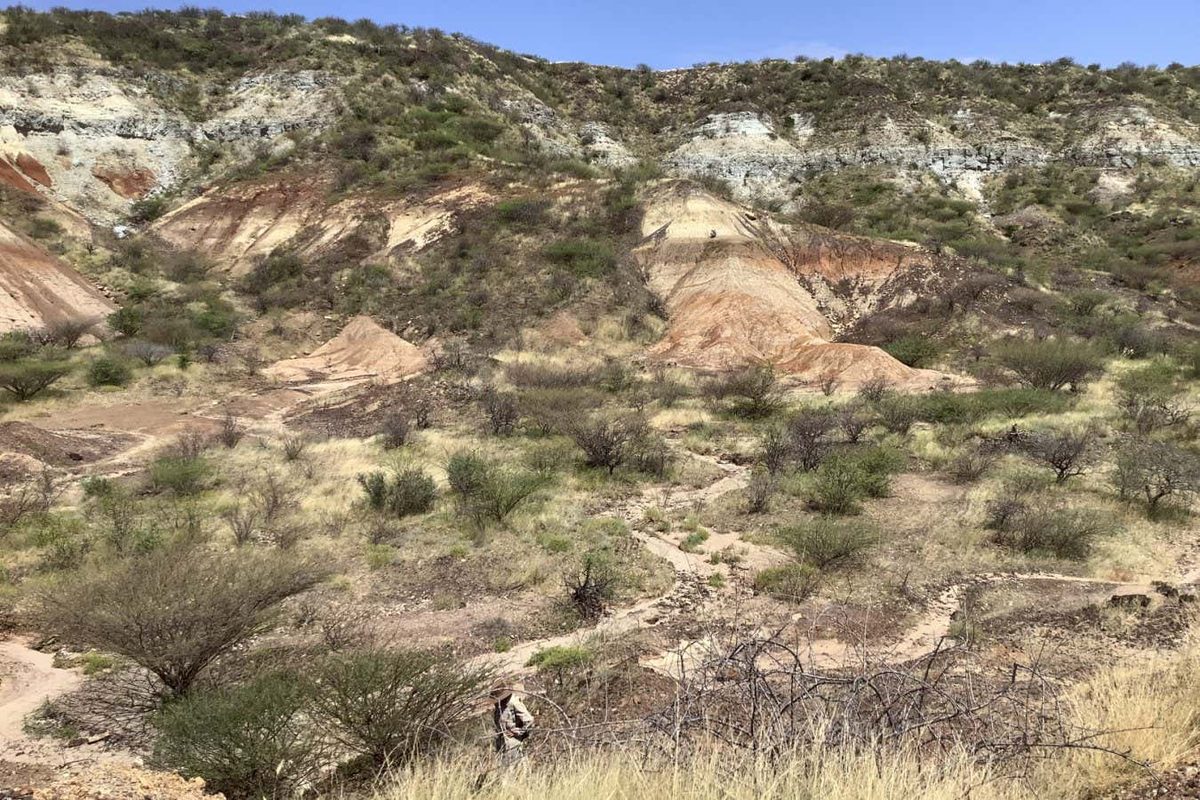
The field of paleoproteomics—the study of ancient proteins—has recently achieved a remarkable milestone. Researchers have successfully extracted protein fragments from fossilized teeth dating back approximately 18 million years. These fossils were discovered in the renowned geological formation of Kenya's Rift Valley, a hotspot for paleontological discoveries. This breakthrough represents the oldest proteins ever recovered from fossils, providing an unprecedented window into the distant evolutionary past of large mammals.
Key Details
- The protein fragments were recovered from fossilized teeth belonging to ancient species related to modern rhinoceroses and elephants.
- The teeth date back about 18 million years, placing them in the early Miocene epoch.
- The fossils were found in Kenya's Rift Valley, a region known for its rich assemblage of prehistoric fauna and hominin fossils.
- This discovery pushes back the age limit for protein recovery, which previously had been limited to much younger samples.
- The study used advanced techniques involving mass spectrometry to identify and sequence the ancient proteins.
Background
Protein analysis in fossils, known as paleoproteomics, has become an increasingly important tool in paleontology. Unlike DNA, which degrades rapidly over time and is rarely preserved beyond a million years under typical conditions, proteins can survive much longer. Traditionally, proteins were thought to be retrievable only from relatively young fossils, often under exceptional preservation conditions. However, recent advances in technology have extended the temporal range for protein recovery, allowing scientists to study evolutionary relationships far deeper in time.
The Rift Valley in East Africa has long been a prolific source of fossils that illuminate the evolutionary history of mammals and humans alike. The environment preserves bones and teeth exceptionally well, enabling detailed morphological and now molecular analyses. The newly analyzed protein sequences offer additional molecular evidence to complement fossil morphology, improving scientists’ understanding of where ancient species fit on the mammalian family tree.
Analysis
The recovery of protein fragments from 18-million-year-old teeth represents a leap forward in molecular paleontology. These ancient proteins come from species ancestral to two major groups of large mammals: rhinoceroses and elephants. Until now, evolutionary relationships inferred from fossils relied heavily on physical characteristics, which can sometimes be misleading due to convergent evolution or incomplete fossil records. The molecular data provide a new and independent line of evidence to clarify these relationships.
Moreover, the success of this research demonstrates that under certain geological and environmental conditions, proteins can survive far longer than previously believed. This opens the door for future studies to explore ancient proteins from other early Miocene or even older fossils, potentially reshaping our understanding of mammalian evolution. With molecular data, scientists can trace changes in protein sequences that reflect evolutionary adaptations, migration patterns, and ecological interactions that fossils alone cannot reveal.
It also underscores the importance of multidisciplinary collaboration, combining expertise in paleontology, molecular biology, and analytical chemistry. Techniques such as mass spectrometry enable the identification of protein fragments in complex fossil matrices, moving beyond traditional morphological studies to molecular-level insights. This integrative approach will likely become increasingly central to reconstructing the deep evolutionary past.
Conclusion
The extraction of the oldest protein fragments from 18-million-year-old fossil teeth found in Kenya's Rift Valley marks a pivotal achievement in the study of ancient life. By revealing molecular details about the ancestors of rhinoceroses and elephants, this breakthrough enhances our understanding of mammalian evolution during the Miocene epoch. As paleoproteomic techniques continue to improve, they promise to reveal even more about the distant past, transforming fossils from silent stones into rich molecular archives of evolutionary history.