Morning Coffee Could Undermine Sleep Quality, New Study Suggests

Introduction
The debate over when to cut off caffeine intake to ensure a good night's sleep is a common one. Many coffee drinkers practice self-restraint, avoiding the beverage after a certain hour, while others claim they can enjoy an espresso after dinner with no ill effects. However, new research from Wroclaw University in Poland suggests that the timing of your coffee consumption might be less important than previously thought, with caffeine potentially disrupting sleep quality regardless of when it's consumed.
Key Details
- Study Focus: The research, published in the journal Nutrients, investigated the impact of caffeine on sleep quality using electroencephalography (EEG) scans.
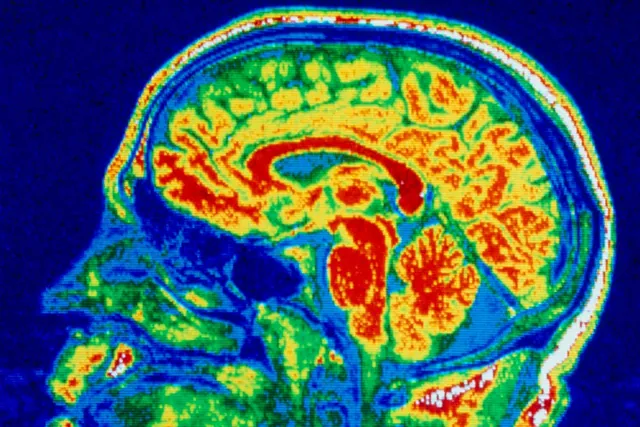
- Methodology: Unlike standard sleep assessments that focus on duration, EEG provides detailed insights into brain activity during sleep, allowing researchers to measure sleep depth and restorative processes.
- Key Finding: Even when individuals slept for the recommended duration and fell asleep easily, caffeine consumption was found to significantly reduce the brain's slow-wave activity. This activity is crucial for deep, restorative sleep.
- Subjective vs. Objective Sleep: The study highlights a discrepancy between how rested people feel and their actual sleep quality, as measured by neurophysiological recordings.
- Individual Variability: Factors such as body type, stress, age, and total daily caffeine intake can influence how caffeine affects an individual's sleep.
Background
For years, the prevailing advice regarding caffeine and sleep has centered on avoiding it in the hours leading up to bedtime. The understanding was that caffeine, a stimulant, interferes with the ability to fall asleep and stay asleep, thereby reducing total sleep time. However, this new study shifts the focus from mere duration to the qualitative aspects of sleep. Researchers utilized quantitative EEG analysis, which can detect subtle changes in brain wave patterns that are indicative of sleep depth and its restorative properties. This advanced technique allowed them to observe effects that might not be apparent through subjective reports or simpler sleep tracking methods.
Impact Analysis
The implications of this study are significant. It suggests that even if you feel you slept for a full eight hours and didn't wake up during the night, the restorative quality of that sleep might still be compromised by caffeine. The reduction in slow-wave activity means the brain may not be undergoing the necessary deep sleep stages required for physical and mental recovery. This can lead to a feeling of fatigue the next day, prompting more caffeine consumption, which in turn perpetuates a cycle of poor sleep quality. As study co-author Donata Kurpas explained, “Caffeine may shorten sleep or make it more difficult to fall asleep; however, even when sleep duration appears normal, it may reduce slow-wave activity and shift the EEG pattern toward a more ‘wakeful’ brain.” This creates a “vicious cycle” where inadequate rest leads to increased caffeine intake, further impairing sleep.
“The subjective feeling of having slept well does not always correspond to what we observe in neurophysiological recordings,” said Kurpas.
Broader Context
This research aligns with a growing body of scientific literature emphasizing the importance of sleep quality over quantity. The concept of “restorative sleep” is gaining prominence, recognizing that simply being in bed for a set number of hours does not guarantee adequate recovery. Caffeine’s complex interaction with the body’s sleep-wake cycles is further illuminated by this study, underscoring that its effects are not uniform. Individual differences play a crucial role, meaning that what disrupts one person’s sleep might not affect another’s to the same degree. This complexity arises from various metabolic rates, genetic predispositions, and lifestyle factors.
Future Outlook
The findings necessitate a re-evaluation of caffeine consumption habits. While the study doesn't advocate for complete abstinence, it encourages greater awareness of caffeine's potential impact on sleep architecture. Future research could delve deeper into identifying specific thresholds for caffeine intake that trigger sleep disruption, exploring the long-term consequences of chronically compromised sleep quality, and investigating personalized strategies for managing caffeine consumption based on individual sensitivity and genetic factors. Understanding these nuances could lead to more tailored public health recommendations regarding stimulant use and sleep hygiene.
Conclusion
In conclusion, this study from Wroclaw University challenges the conventional wisdom about caffeine and sleep. It posits that even morning coffee could be subtly undermining the restorative quality of your sleep by reducing deep sleep stages, irrespective of perceived sleep duration. The subjective experience of feeling rested may be deceptive, as neurophysiological data reveals a potentially compromised brain state. This underscores the need for individuals to be mindful of their total daily caffeine intake and consider its potential impact on their overall well-being, even if they don't experience obvious sleep disturbances.
Source: popsci.com