Global Resurgence of Measles Signals Setback in Infectious Disease Control
Introduction
In recent years, the world has witnessed an alarming resurgence of measles, a highly contagious viral disease once nearing global elimination. This resurgence is primarily driven by rising anti-vaccine sentiment, which undermines decades of progress in infectious disease control. The spread of misinformation and vaccine hesitancy has resulted in measles outbreaks in multiple countries, placing vulnerable populations at risk and threatening to reverse public health gains.
Key Details
- Measles cases surged globally in 2022 and 2023, with significant outbreaks reported in North America, Europe, and parts of Africa and Asia.
- Anti-vaccine misinformation on social media platforms has contributed to declining vaccination rates in many communities.
- Measles is highly contagious; even small drops in vaccination coverage can lead to outbreaks.
- Other preventable diseases such as mumps and rubella are also at risk of re-emerging due to similar factors.
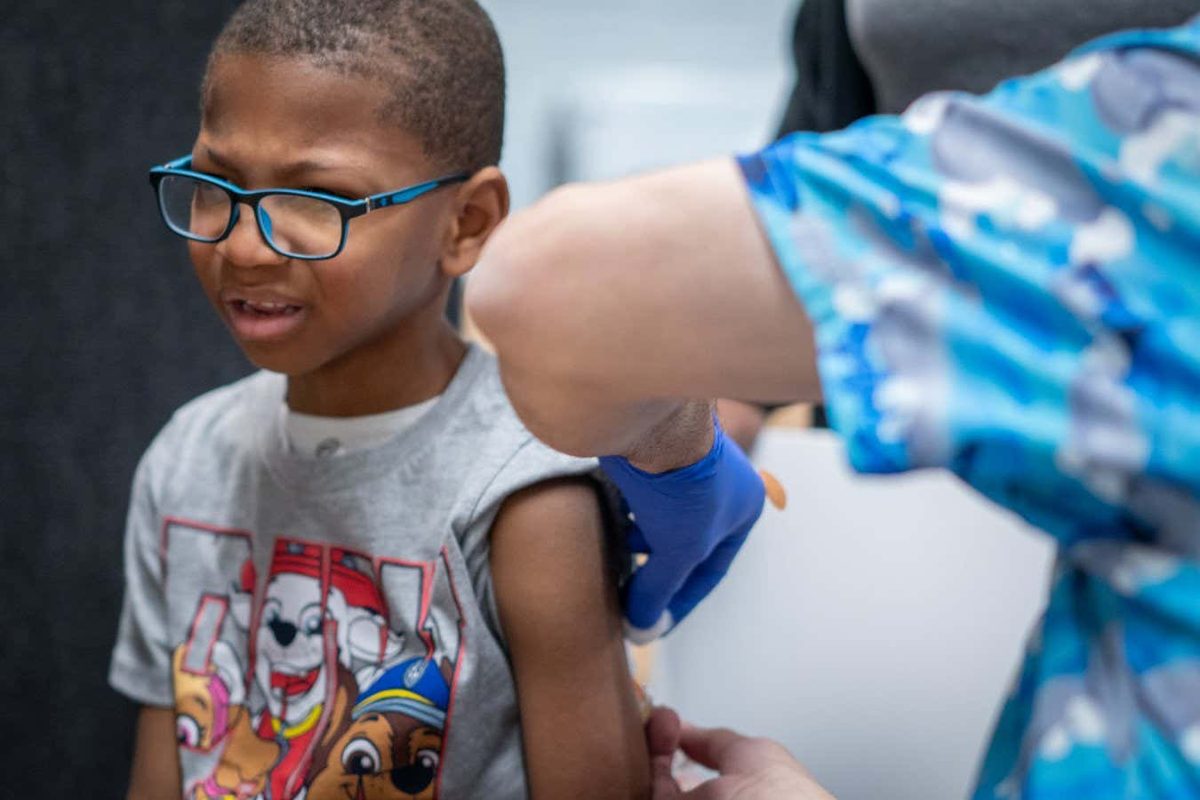
- Health organizations stress the critical need to restore and maintain high immunization coverage to protect populations.
Background
Measles is caused by the measles virus and can lead to severe complications including pneumonia, encephalitis, and death, particularly among children under five. Prior to widespread vaccination efforts starting in the 1960s, measles was a leading cause of childhood mortality worldwide. The introduction of the measles vaccine and global immunization campaigns drastically reduced cases and deaths, leading to elimination in many regions.
However, the COVID-19 pandemic disrupted routine immunization services globally, resulting in millions of children missing scheduled vaccinations. Simultaneously, an increase in vaccine skepticism—fueled by misinformation and distrust in health authorities—has exacerbated the problem. As vaccination coverage dips below the herd immunity threshold, measles outbreaks have become more frequent and widespread.
Analysis
The resurgence of measles is a multifaceted issue combining public health, social, and technological challenges. Vaccine hesitancy often stems from concerns about vaccine safety, religious or philosophical beliefs, or distrust in governments and pharmaceutical companies. The rapid spread of misinformation online has amplified these concerns, creating echo chambers that perpetuate falsehoods.
Public health officials face the challenge of rebuilding trust while countering misinformation effectively. Strategies include transparent communication, community engagement, and leveraging trusted voices such as healthcare providers and local leaders. Additionally, restoring routine immunization programs disrupted by the pandemic is essential.
Failure to address these issues threatens not only measles control but also other vaccine-preventable diseases, potentially causing a resurgence of illnesses that had been under control or eliminated in many areas. The global health community warns that without urgent action, the progress of the past five decades is at risk.
Conclusion
The global setback in measles control highlights the fragile nature of infectious disease prevention efforts in the face of social and logistical challenges. Strengthening vaccination programs, combating misinformation, and ensuring equitable access to vaccines are critical steps to reverse this trend. Protecting populations from measles and other preventable diseases requires coordinated international effort, public trust, and sustained commitment to immunization.