Breakthrough Discovery: New Sedimentary Rock Formed from Old Slag Heaps
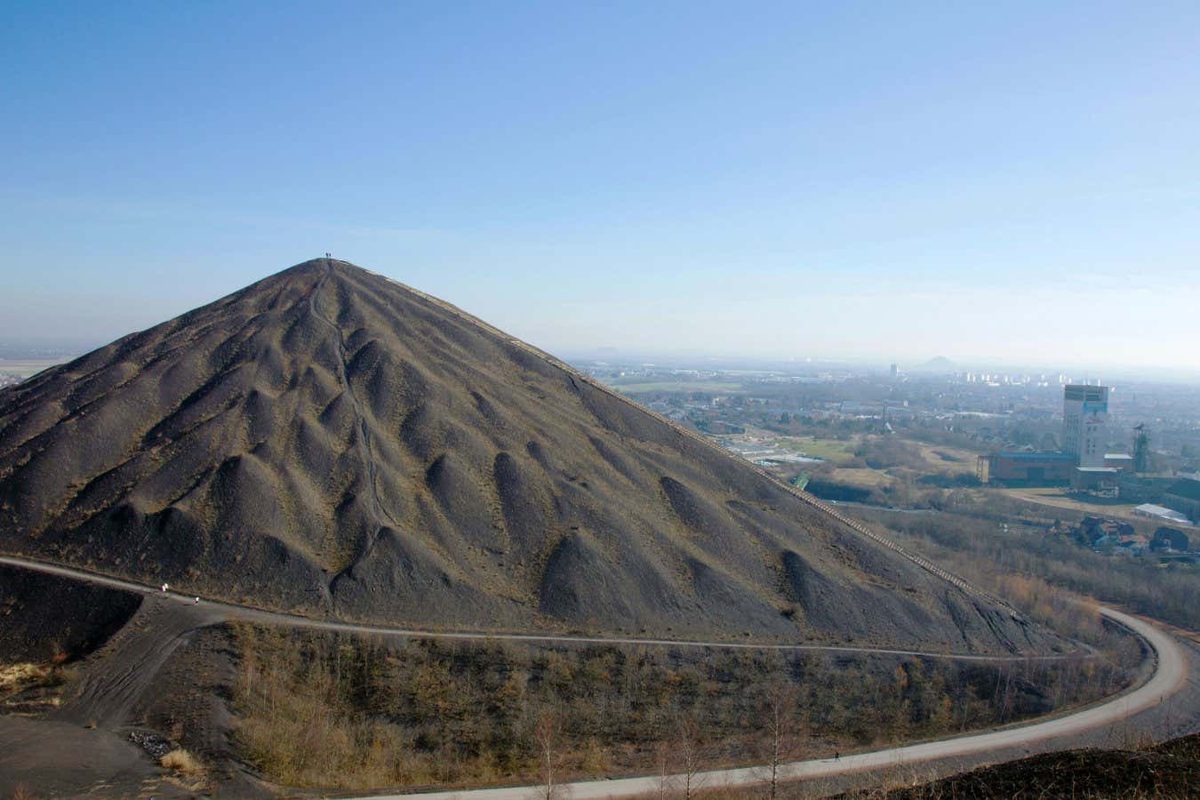
Breakthrough Discovery: New Sedimentary Rock Formed from Old Slag Heaps
Introduction
In a remarkable development within the field of geology, scientists have identified a new type of sedimentary rock that has emerged from the remnants of old slag heaps. This discovery not only highlights the dynamic processes of rock formation but also raises intriguing questions about the implications for both environmental science and industrial practices. The findings, which were published recently, suggest that these slag heaps, often regarded as waste from metal processing, can contribute to geological formations in ways previously unrecognized.
Key Details
- Discovery Location: The research was conducted at various former industrial sites where slag heaps are prevalent.
- Formation Process: The new sedimentary rock has formed in a relatively short geological timeframe, indicating rapid processes at work.
- Composition: This rock is primarily made up of minerals and materials typically found in slag, such as silicates and metallic oxides.
- Potential Implications: The discovery may influence both environmental remediation efforts and the mining industry.
- Research Team: The team consisted of geologists from various institutions, highlighting a collaborative effort in geological research.
Background
Slag heaps are often the byproduct of metal extraction processes, where leftover materials are discarded after the valuable metal has been separated. Traditionally, these heaps have been seen as environmental liabilities, often containing hazardous substances. However, the current research indicates that these discarded materials can undergo natural processes that lead to the creation of distinct geological formations, effectively transforming waste into something of geological interest.
Historically, the study of sedimentary rocks has revolved around conventional sources such as riverbeds and ocean floors. This new finding challenges the traditional narratives surrounding rock formation and suggests that anthropogenic activities can have longer-lasting geological impacts than previously thought. The research team utilized advanced analytical techniques to study the mineral composition and formation processes of the newly identified rock, revealing insights into the interplay between human activity and natural geological evolution.
Analysis
This discovery opens up a dialogue about several critical issues. Firstly, the fact that slag heaps can give rise to new geological formations prompts a reevaluation of how we handle industrial waste. Rather than viewing these heaps solely as waste, there may be value in exploring their potential for contributing to geological diversity and understanding sedimentary processes.
Moreover, the rapid formation of this new rock type suggests that geological processes are not as slow and gradual as once believed. This insight could have implications for understanding how landscapes evolve in response to both natural and human-induced changes. It challenges the notion that significant geological changes require vast timescales, suggesting instead that the Earth's crust can be more malleable and responsive to contemporary activities.
Furthermore, the findings invite reflection on the sustainability of industrial practices. If slag heaps contribute to sedimentary rock formation, there may be opportunities to rethink waste management and create more sustainable practices in metal extraction and processing.
Conclusion
As scientists continue to investigate the implications of this discovery, it will be essential to consider both environmental and industrial aspects. The formation of a new type of sedimentary rock from slag heaps injects fresh perspectives into geological research and underlines the importance of integrating industrial practices with environmental stewardship. This breakthrough not only expands our understanding of sedimentary processes but also serves as a reminder of the complex relationship between human activity and the natural world. Future research will likely focus on the broader implications for geology, environmental remediation, and sustainable industrial practices as we continue to navigate the challenges posed by industrial waste management.