Intensifying Marine Heatwaves Indicate Potential Long-term Ocean Changes
Intensifying Marine Heatwaves Indicate Potential Long-term Ocean Changes
Introduction
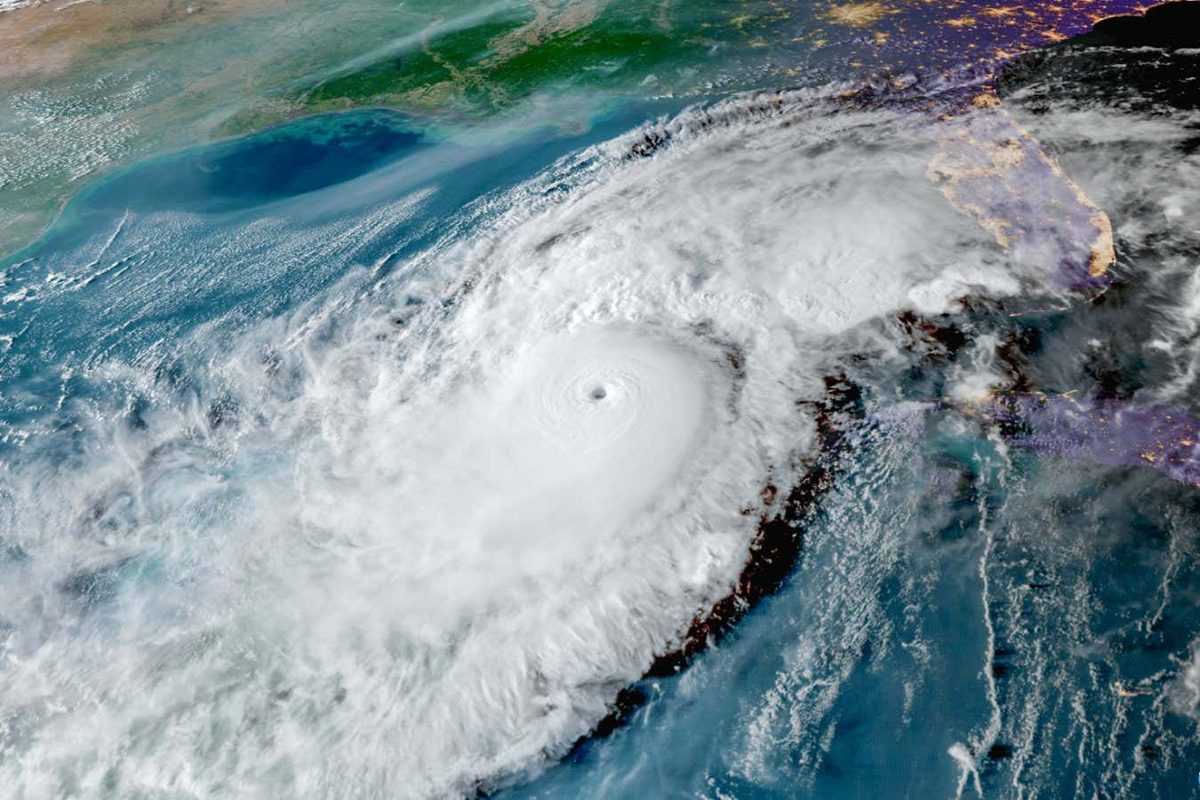
In an alarming trend, the years 2023 and 2024 have witnessed an unprecedented series of marine heatwaves, igniting discussions among scientists regarding potential long-term changes in oceanic conditions. These heatwaves, characterized by significantly elevated sea surface temperatures, have raised concerns over their implications for marine ecosystems and global climate patterns. Experts warn that these phenomena could signify a shift towards a new normal, with profound and possibly devastating consequences for life on Earth.
Key Details
- Record Temperatures: Marine heatwaves recorded in 2023 and 2024 surpassed previous highs, affecting vast areas of the world's oceans.
- Impact on Biodiversity: Elevated temperatures threaten coral reefs and marine species, disrupting food chains and habitats.
- Climate Feedback Loops: Increased ocean temperatures may accelerate climate change through feedback mechanisms, impacting weather patterns globally.
- Research and Monitoring: Scientists are advocating for enhanced monitoring of ocean temperatures to better understand these phenomena.
Background
The phenomenon of marine heatwaves is not new; however, their increasing frequency and intensity have been alarming to climatologists and marine biologists alike. Traditionally, marine heatwaves occur when sea surface temperatures exceed the average by 1°C or more for an extended period. While such events have been documented in the past, the scale and duration of the heatwaves observed in recent years have surpassed historical records.
Additionally, the implications of these heatwaves extend beyond immediate temperature increases. Marine ecosystems are finely tuned to specific temperature ranges, and any significant deviation can lead to catastrophic impacts. For instance, coral reefs, which are particularly sensitive to temperature changes, can experience mass bleaching, resulting in the loss of biodiversity and the collapse of entire marine ecosystems.
Analysis
The consequences of persistent marine heatwaves could reverberate throughout the planet's ecosystems. As ocean temperatures rise, marine species face heightened stress levels, leading to shifts in distribution, altered breeding patterns, and increased mortality rates. Fish populations, essential for both ecological balance and human consumption, could be particularly hard-hit. Such changes could lead to food insecurity for millions who rely on seafood as a primary protein source.
Moreover, the feedback loops created by warmer oceans may exacerbate climate change. Warmer waters can hold less carbon dioxide, reducing the ocean's capacity to act as a carbon sink. This could lead to increased levels of greenhouse gases in the atmosphere, accelerating global warming and further intensifying weather-related disasters.
Scientists emphasize the urgent need for more extensive research and monitoring of these phenomena to predict future trends and assess the potential long-term impacts. Initiatives that aim to reduce greenhouse gas emissions and promote sustainable fishing practices are also critical in mitigating the effects of marine heatwaves.
Conclusion
As the world grapples with the implications of record marine heatwaves, it is clear that immediate action is necessary to address the underlying causes of climate change. The threat these heatwaves pose to marine life and, by extension, human societies is too significant to ignore. Enhanced monitoring, research, and international cooperation are vital in developing strategies to mitigate these changes and preserve the delicate balance of ocean ecosystems. The future of our planet may depend on our response to these unprecedented challenges.