Exploring the Resurgence of Shamanism: Insights from Anthropologist Manvir Singh
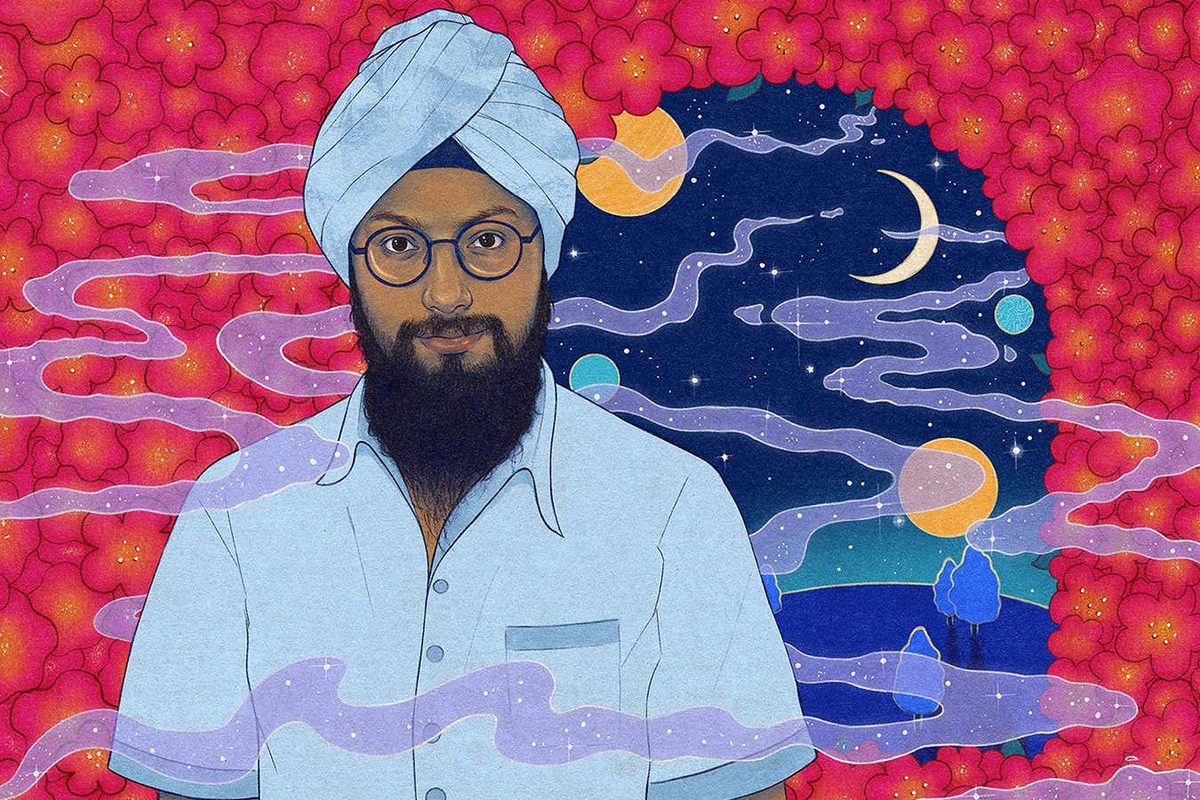
Exploring the Resurgence of Shamanism: Insights from Anthropologist Manvir Singh
Introduction
In recent years, the ancient practice of shamanism has entered mainstream conversation, capturing the attention of both spiritual seekers and cultural critics alike. As society becomes increasingly aware of the limitations of conventional medicine and psychology, many are turning to alternative healing practices. Anthropologist Manvir Singh has dedicated considerable time to studying this phenomenon, unveiling why shamanism persists and adapts in contemporary contexts. His work reveals that the impact of shamanic practices extends beyond mere belief; they may have therapeutic benefits regardless of individual faith.
Key Details
- Shamanism is witnessing a revival, with more individuals seeking spiritual guidance and healing through these practices.
- Manvir Singh emphasizes that shamanism is not strictly tied to belief; its effectiveness can manifest even among skeptics.
- Contemporary shamans often blend traditional practices with modern therapeutic techniques, creating unique approaches to healing.
- The growing interest in mental health awareness has contributed to the resurgence of shamanism as a viable alternative.
- Singh’s research highlights the importance of ritual and community in facilitating healing experiences.
Background
Shamanism, rooted in ancient spiritual traditions, involves a practitioner—often referred to as a shaman—who acts as a mediator between the spiritual and physical worlds. Historically, shamans have played crucial roles in their communities, guiding individuals through mental and physical ailments, performing rituals, and connecting people with their ancestral spirits. In recent decades, however, the rise of modernity and scientific rationalism led many to dismiss these practices as mere superstition.
Despite this skepticism, shamanism has seen a remarkable resurgence. This revival is not only limited to traditional cultures; it has also permeated Western societies, fueled by a growing interest in holistic approaches to health. Events like shamanic workshops and retreats are flourishing, indicating a significant shift in how people seek wellness and meaning in their lives.
Analysis
Manvir Singh’s exploration into shamanism reveals several critical insights about its contemporary relevance. One of the key arguments he presents is that the effectiveness of shamanic practices does not solely hinge on the belief of the participant. While traditional views often emphasize belief as a central component for any spiritual practice, Singh suggests that the *rituals*, *community involvement*, and *symbolic actions* associated with shamanism can evoke psychological and emotional responses that facilitate healing.
The modern shaman often embodies a blend of traditional practices and contemporary therapeutic methods, appealing to a diverse audience. For instance, many contemporary shamans incorporate elements of psychotherapy, meditation, and mindfulness into their sessions. This amalgamation makes shamanic practices more accessible and relatable to individuals who may not resonate with traditional spiritual frameworks.
Moreover, the increasing awareness and discussion surrounding mental health issues have played a significant role in this resurgence. As more individuals seek alternative solutions to anxiety, depression, and various psychological challenges, shamanism offers a path that emphasizes personal empowerment and communal support. Singh’s emphasis on the communal aspect underscores how shared experiences in rituals can enhance feelings of connection and belonging, essential elements for mental well-being.
It is also important to consider the criticisms that accompany this resurgence. Some argue that the commercialization of shamanism risks diluting its authenticity and value. Practices that once held deep cultural significance are sometimes adapted to fit consumerist desires, leading to ethical dilemmas about cultural appropriation. Singh acknowledges these concerns but advocates for a respectful and informed approach to engaging with shamanic traditions.
Conclusion
The work of Manvir Singh sheds light on the complexities of shamanism in the modern world. As more people turn to these ancient practices in search of healing and connection, it becomes crucial to understand the underlying mechanisms that make shamanism appealing. Whether or not one believes in its spiritual dimensions, the therapeutic aspects of shamanism resonate with many, offering alternative paths to well-being. This exploration not only highlights the significance of shamanism in contemporary society but also challenges us to reconsider the boundaries between belief, practice, and healing.