The Rise and Reality of Ivermectin: Unpacking Its Controversial Role in Public Health
Introduction
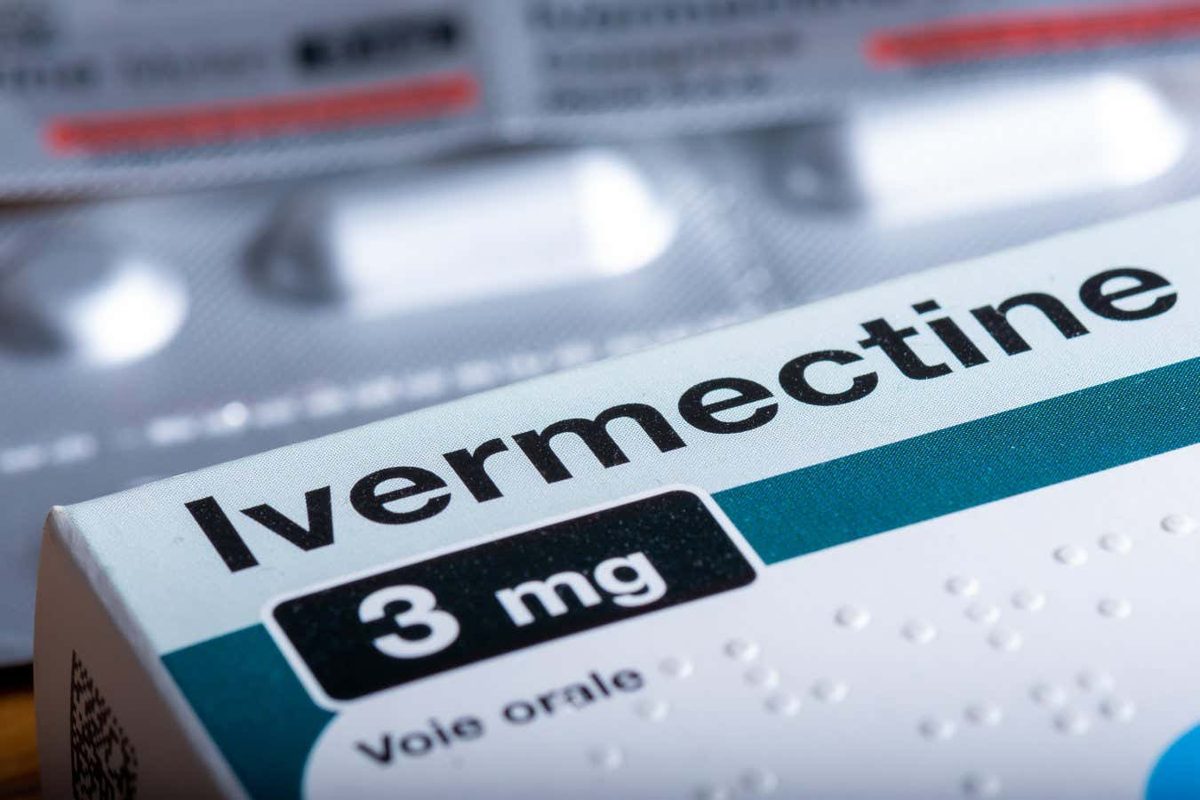
The anti-parasitic drug ivermectin, originally developed for treating parasitic infections in humans and animals, became a focal point during the COVID-19 pandemic. Early in the pandemic, some preliminary studies and anecdotal reports suggested that ivermectin might have antiviral properties capable of combating SARS-CoV-2, the virus responsible for COVID-19. This led to a surge in public interest and use of the drug, sometimes even outside of medical guidance. Despite its widespread attention, the scientific community has emphasized that strong, reliable evidence supporting ivermectin's efficacy for COVID-19 or other claimed health benefits remains limited.
Key Details
- Origin and primary use: Ivermectin is approved for treating parasitic infections such as river blindness and scabies.
- COVID-19 claims: Early reports suggested antiviral effects against SARS-CoV-2, leading to off-label use.
- Scientific consensus: Major health organizations like the WHO and FDA do not recommend ivermectin for COVID-19 treatment outside clinical trials.
- Research limitations: Many studies used small sample sizes, had methodological issues, or were not peer-reviewed.
- Public impact: The drug’s popularity sparked debates about misinformation, self-medication risks, and resource diversion from proven therapies.
Background
Ivermectin was first discovered in the late 1970s and has since been instrumental in controlling various parasitic diseases worldwide. Its affordability and established safety profile in approved uses made it an attractive candidate for repurposing during the health crisis caused by COVID-19. Early laboratory studies indicated that ivermectin could inhibit replication of the coronavirus in vitro, but the concentrations required were much higher than achievable in human tissues with standard dosing.
The pandemic’s urgency and lack of effective treatments at the onset led some practitioners and patients to adopt ivermectin despite the absence of robust clinical trial evidence. Social media and alternative health communities further amplified claims about ivermectin’s supposed benefits, often disregarding scientific nuance.
Analysis
While the initial enthusiasm around ivermectin was understandable given the desperation for COVID-19 therapies, subsequent rigorous studies and meta-analyses have largely failed to confirm meaningful benefits. Many early studies suffered from poor design, small cohorts, or publication bias. Larger randomized controlled trials, considered the gold standard in clinical research, have shown mixed or negative results for ivermectin’s effectiveness against COVID-19.
This disconnect between public perception and scientific evidence underscores challenges in pandemic communication and the proliferation of misinformation. Ivermectin’s case highlights how preliminary laboratory findings and anecdotal evidence can be misinterpreted and disseminated as definitive proof, leading to inappropriate self-medication and potential health risks.
Moreover, the widespread use of ivermectin outside approved indications may pose risks, including side effects and the diversion of attention and resources from vaccines and treatments with proven efficacy. Regulatory bodies continue to stress that ivermectin should only be used within well-designed clinical trials until conclusive evidence is available.
Conclusion
Ivermectin's journey from a trusted anti-parasitic medication to a controversial COVID-19 treatment candidate illustrates the complexities of repurposing drugs during a global health emergency. Despite initial hopes and widespread public interest, current scientific evidence does not support ivermectin’s use for COVID-19 outside clinical trials. This case serves as a reminder of the importance of rigorous research, clear communication, and caution in the adoption of new or repurposed therapies, especially in times of crisis. Moving forward, ongoing studies may further clarify ivermectin's role, but for now, healthcare decisions should be guided by evidence-based recommendations to ensure safety and efficacy.