Suntory Achieves True Blue Rose After Decades of Research
Introduction
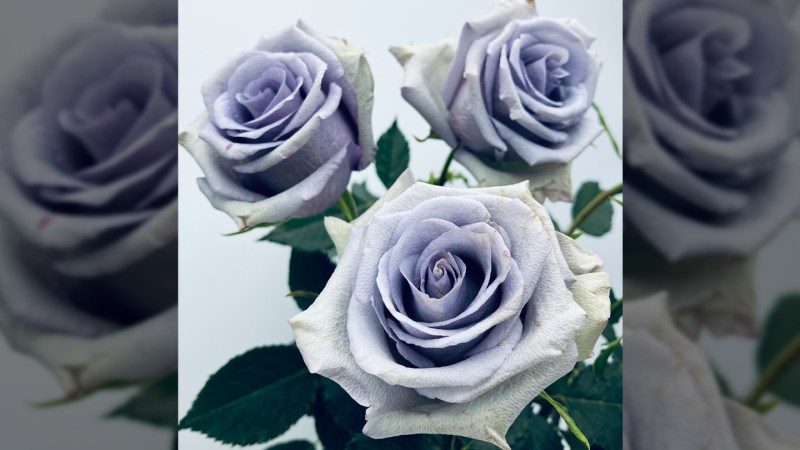
For centuries, the rose has symbolized love, beauty, and passion, but its color palette has always been limited. While roses naturally bloom in shades of red, pink, yellow, and white, a true blue rose remained an elusive dream, a poetic impossibility. This limitation stemmed from the rose’s genetic makeup; it lacked the necessary biological machinery to produce the pigments that create blue hues in other flowers. However, after decades of dedicated research, Japanese scientists at the Suntory Global Innovation Center have finally crossed this botanical frontier, announcing the creation of a genetically engineered rose that exhibits a genuine blue color.
Key Details
- The Challenge: Roses naturally produce pigments like anthocyanins, which result in red and yellow colors. However, they lack the specific enzyme required to synthesize delphinidin, the primary pigment responsible for blue coloration in many other flowers.
- Early Attempts: In 2004, Suntory researchers first attempted to create a blue rose by introducing a gene for delphinidin production. While this resulted in purplish flowers, they were not a true blue, indicating that pigment alone was insufficient.
- The Breakthrough: The latest success involved a more complex genetic modification. Researchers introduced four genes from other blue-flowering plants into a light pink rose. These genes enabled the rose to produce not only blue pigments but also crucial co-pigment molecules.
- Co-pigment Importance: Naturally blue flowers, like irises, utilize co-pigment molecules, such as flavone C-glycosides, which stabilize the primary blue pigments (like delphinidin) and deepen their hue. Roses lacked the genetic pathways to produce these essential helpers.
- Suntory's Solution: The team incorporated genes from Canterbury bells (Campanula medium) for blue pigment production and genes from wishbone flowers (Torenia x hybrida) and clustered gentian (Gentiana triflora) to produce the necessary co-pigments.
- Coloration: The combination of the blue pigment malvidin with a co-pigment called isoorientin resulted in flowers rated as violet blue on a standard color chart, a significant advancement from earlier purplish attempts.
- Stability and Viability: The engineered rose bushes have demonstrated consistent blue flower production for seven years in greenhouse trials and three years in field conditions in Colombia, suggesting genetic stability.
Background
The quest for a blue rose is a story that bridges botany, genetics, and even folklore. For centuries, gardeners and breeders have attempted to achieve this elusive color through traditional cross-breeding, but the biological barriers proved insurmountable. The development of genetic engineering offered a new pathway. Suntory, a company with a history of innovation in beverages and life sciences, embarked on this ambitious project, recognizing the scientific challenge and the potential cultural impact of achieving what nature, in the rose, had not.
Impact Analysis
The creation of a true blue rose is more than just a horticultural novelty; it represents a significant leap in plant biotechnology. It demonstrates the power of genetic engineering to overcome fundamental biological limitations and create traits previously thought impossible. This success could pave the way for the development of other novel flower colors and traits in various plant species, potentially revolutionizing the ornamental plant industry. Furthermore, the techniques developed could have applications in agriculture, such as enhancing the nutritional content or disease resistance of crops.
Broader Context
The achievement aligns with a broader trend in scientific research where genetic modification is increasingly used to address complex biological challenges. While controversial in some circles, genetic engineering, when applied thoughtfully, offers powerful tools for innovation. The Suntory project highlights the potential for such technologies to create new aesthetic possibilities and potentially contribute to scientific understanding of plant biology and pigment production. The announcement was made at the 32nd International Horticultural Congress, underscoring the scientific community's interest in this development.
Future Outlook
Suntory researchers are not resting on their laurels. They aim to further refine the blue hue, potentially achieving even deeper and more varied shades. The company has indicated plans to explore commercialization, though timelines remain unclear. The success also opens doors for research into other challenging flower colors and could inspire further genetic studies into the complex pathways of pigment synthesis and stabilization in plants.
“The higher the level of co-pigments in the petals, the bluer the flowers,” the researchers found, highlighting the intricate interplay of molecules required for true blue coloration.
Conclusion
The journey to the true blue rose has been long and arduous, a testament to scientific perseverance. By meticulously understanding the genetic and biochemical basis of flower color and employing advanced genetic engineering techniques, Suntory has turned a long-held botanical dream into reality. This breakthrough not only enriches the world of flowers but also showcases the remarkable potential of biotechnology to reshape our natural world in fascinating ways.
Source: sciencenews.org