Cleaner Air, Warmer Planet: How Pollution Reduction May Be Accelerating Short-Term Warming
Cleaner Air, Warmer Planet: How Pollution Reduction May Be Accelerating Short-Term Warming
Introduction
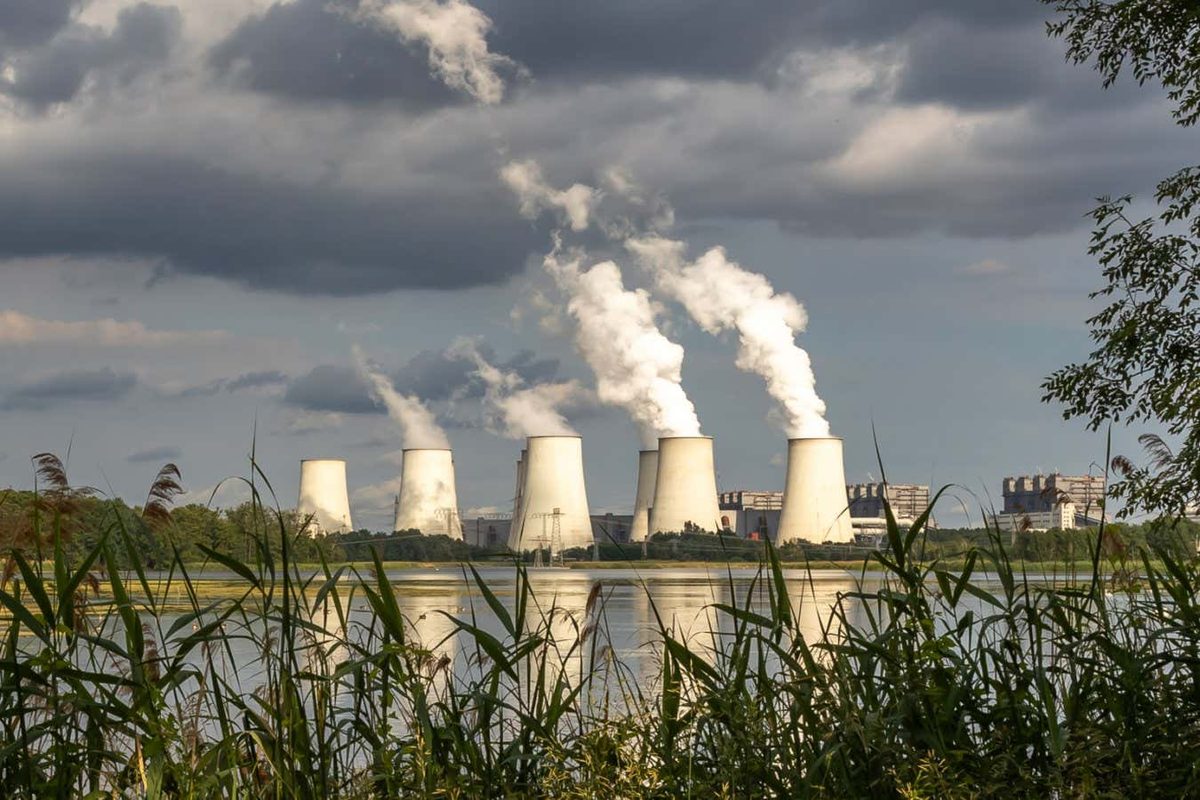
In a surprising twist to the climate change narrative, recent satellite observations suggest that part of the accelerated global warming observed over the past two decades may be an unintended consequence of successful air pollution controls. While reducing harmful emissions like sulphate aerosols has dramatically improved air quality and public health, it has also diminished a long-standing, albeit artificial, cooling effect on the planet. This paradox highlights the complex interplay between pollution regulation and climate dynamics, revealing that progress in one environmental domain can have unforeseen impacts in another.
Key Details
- Since 2001, Earth has experienced an increase in absorbed solar radiation, contributing to rising global temperatures.
- Satellite data indicates a reduction in cloud reflectivity, a phenomenon known as 'cloud darkening'—more accurately described as the reversal of past cloud brightening caused by pollution.
- Sulphate aerosols, primarily emitted from burning fossil fuels, have long acted as cloud condensation nuclei, increasing cloud albedo (reflectivity) and cooling the planet.
- Global efforts to reduce air pollution, especially in China, Europe, and North America, have led to a sharp decline in sulphate emissions since the early 2000s.
- This decline has reduced the number of cloud-forming particles, resulting in fewer but larger cloud droplets that are less reflective—allowing more sunlight to reach the Earth’s surface.
Background
For much of the 20th century, industrial emissions released vast quantities of sulphur dioxide into the atmosphere. When oxidized, this gas forms sulphate aerosols, which scatter sunlight and serve as seeds for cloud formation. These pollution-induced clouds were more reflective than natural ones, leading to a net cooling effect that partially offset greenhouse gas warming—a phenomenon known as 'global dimming.' By the 1980s and 1990s, environmental regulations like the U.S. Clean Air Act and European air quality directives began curbing these emissions to combat acid rain and respiratory illnesses. China, the world’s largest emitter in the 2000s, also implemented aggressive pollution controls after 2013. The combined effect has been a significant improvement in air quality but also the gradual disappearance of pollution-driven cloud reflectivity.
Analysis
The current warming trend must be understood not only in terms of rising CO₂ levels but also through the lens of changing aerosol concentrations. Scientists estimate that the reduction in aerosol cooling may have contributed 0.3°C to 0.5°C of additional warming since 2000. This effect is particularly pronounced in industrialized and shipping-heavy regions, where aerosol emissions dropped most sharply. Importantly, this is a temporary radiative forcing—unlike CO₂, which persists for centuries, aerosols remain in the atmosphere for days to weeks. Thus, as emissions decline, their cooling effect vanishes quickly, unveiling the full extent of greenhouse-induced warming.
This phenomenon underscores a critical challenge in climate policy: the need to decouple air quality improvements from climate risks. While eliminating sulphate pollution is unequivocally beneficial for human health, it removes a 'mask' that had been dampening global temperatures. The situation emphasizes the urgency of rapidly reducing greenhouse gases to avoid compounding warming from both long-term CO₂ accumulation and short-term aerosol decline. Climate models are now being refined to better account for aerosol-cloud interactions, improving future projections.
Conclusion
The revelation that cleaner air may be accelerating warming is not a reason to halt pollution controls—far from it. Instead, it reinforces the need for a holistic environmental strategy. Reducing fossil fuel dependence addresses both air pollution and climate change simultaneously. As the planet emerges from decades of anthropogenic dimming, the full force of greenhouse warming becomes visible, demanding even more ambitious emissions reductions. The lesson is clear: environmental solutions must be integrated, recognizing that Earth’s systems are deeply interconnected.