Breakthrough in Neurological Therapy: Microglia Replacement Offers Hope for Rare and Common Brain Disorders
Breakthrough in Neurological Therapy: Microglia Replacement Offers Hope for Rare and Common Brain Disorders
Introduction
In a landmark development for neuroscience and genetic medicine, researchers have successfully treated patients suffering from a rare and fatal neurological condition known as ALSP (adult-onset leukoencephalopathy with axonal spheroids and pigmented glia) through a novel therapy involving the replacement of brain immune cells called microglia. This groundbreaking approach, detailed in recent clinical studies, marks a turning point in our understanding of how the brain's immune system can be harnessed to combat neurodegeneration. While ALSP affects only a small number of individuals globally, the implications of this therapy extend far beyond this rare disorder, potentially offering a new framework for treating widespread conditions such as Alzheimer’s disease, Parkinson’s, and other dementias.
Key Details
The treatment, still in its early clinical stages, involves a process resembling a bone marrow transplant but with a crucial twist: the donor cells are specifically engineered or selected to generate healthy microglia that can migrate into the brain and replace diseased immune cells. The key findings include:
- Successful engraftment of donor-derived microglia in patients’ brains, confirmed through advanced imaging and biomarker analysis.
- Stabilization or slowed progression of neurological symptoms in treated ALSP patients, a stark contrast to the typically rapid decline observed in untreated cases.
- Improvement in cognitive and motor functions in some individuals, suggesting functional recovery is possible even after symptom onset.
- The therapy targets the CSF1R gene mutation, which is responsible for defective microglial function in ALSP, offering a gene-specific intervention.
Background
ALSP is an extremely rare autosomal dominant disorder caused by mutations in the CSF1R gene, which encodes a receptor essential for the development and maintenance of microglia—the primary immune cells of the central nervous system. Patients typically present in adulthood with cognitive decline, motor dysfunction, and psychiatric symptoms, progressing rapidly to severe disability and death within a few years. Until now, treatment options were purely supportive, with no disease-modifying therapies available.
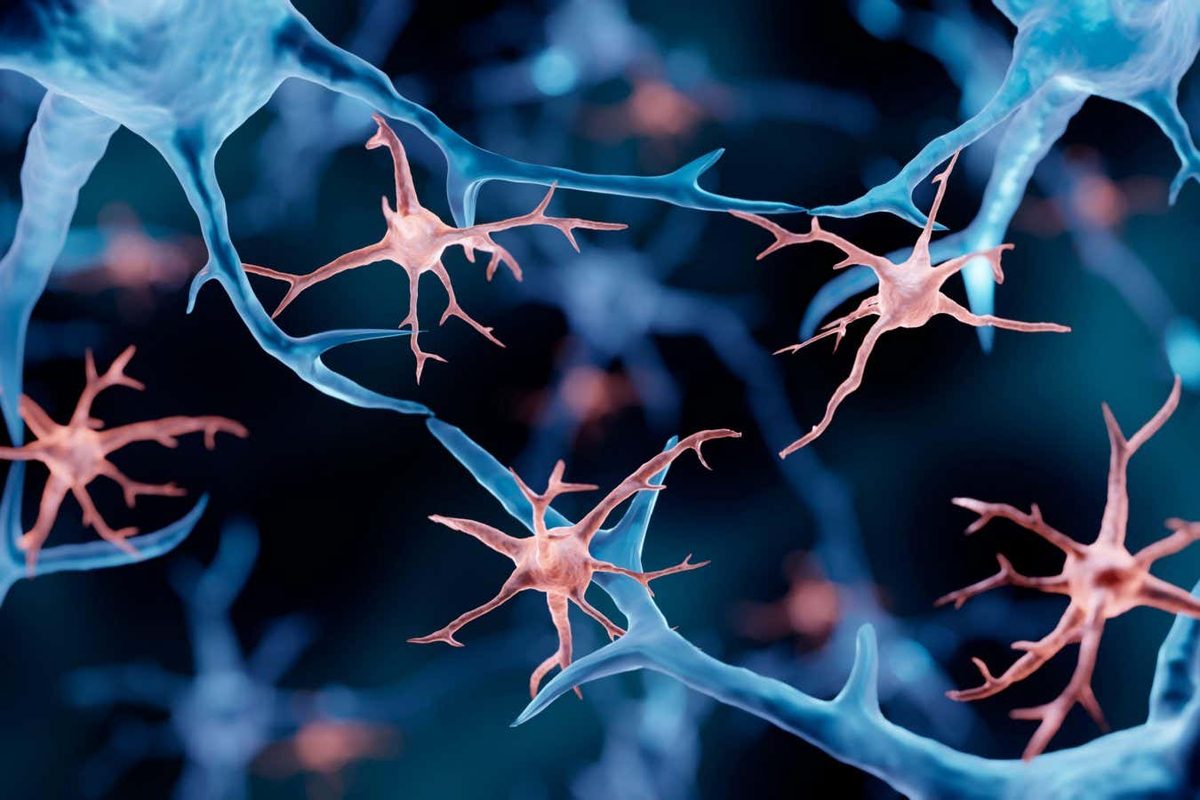
Microglia play a critical role in brain health, acting as surveillance agents that clear cellular debris, prune synapses, and respond to injury or infection. When these cells malfunction due to genetic defects, as in ALSP, they contribute to neuroinflammation and neurodegeneration. The new therapy leverages hematopoietic stem cell transplantation (HSCT) to introduce healthy stem cells capable of differentiating into functional microglia. Unlike traditional HSCT used in blood cancers, this approach is tailored to ensure the new cells can effectively populate the brain’s immune environment.
Analysis
This success story is more than a medical milestone for ALSP—it represents a paradigm shift in how we approach brain diseases. The ability to replace dysfunctional microglia suggests that the brain’s immune system is not fixed but can be therapeutically remodeled. This opens the door to exploring similar strategies in more common conditions where microglial dysfunction is implicated, such as Alzheimer’s disease, where chronic inflammation and impaired debris clearance are key features.
However, challenges remain. The procedure carries significant risks, including those associated with immunosuppression and graft-versus-host disease. Moreover, the long-term effects of microglia replacement are still unknown, and the therapy may be most effective when administered early in the disease course—posing diagnostic challenges given the rarity and variable presentation of ALSP.
Still, the implications are profound. If scalable and safer delivery methods can be developed—such as gene-corrected autologous transplants or targeted drug therapies that mimic microglial rejuvenation—this could revolutionize neurology. It also underscores the importance of continued investment in rare disease research, which often yields insights with broad applicability.
Conclusion
The successful treatment of ALSP through microglia replacement is a powerful testament to the convergence of genetics, immunology, and regenerative medicine. While still experimental, this therapy offers renewed hope not only to families affected by rare brain disorders but also to millions at risk of neurodegenerative diseases. As research progresses, this approach may well become a cornerstone of 21st-century neuroscience.