Denver Museum Unearths 67.5-Million-Year-Old Dinosaur Fossil Beneath Its Parking Lot
Introduction
The Denver Museum of Nature & Science (DMNS), already renowned for its extensive dinosaur fossil collection, recently uncovered an extraordinary addition in an unlikely place—beneath its own parking lot. This discovery, which dates back 67.5 million years, is the oldest and deepest dinosaur fossil ever found within Denver city limits, offering fresh insights into the region's ancient ecosystems.
Key Details
- The fossil was discovered in January during a drilling project aimed at assessing the feasibility of converting the museum’s energy system from natural gas to geothermal energy.
- Two drill rigs bored one-foot-wide holes reaching approximately 763 feet below the surface in City Park, Denver.
- At this depth, geologists found two bone fragments embedded in sediment deposited by the ancient South Platte River.
- The larger fossil measured roughly 1.9 inches long, 2.3 inches wide, and 2.3 inches tall, but was unfortunately damaged by the drilling process.
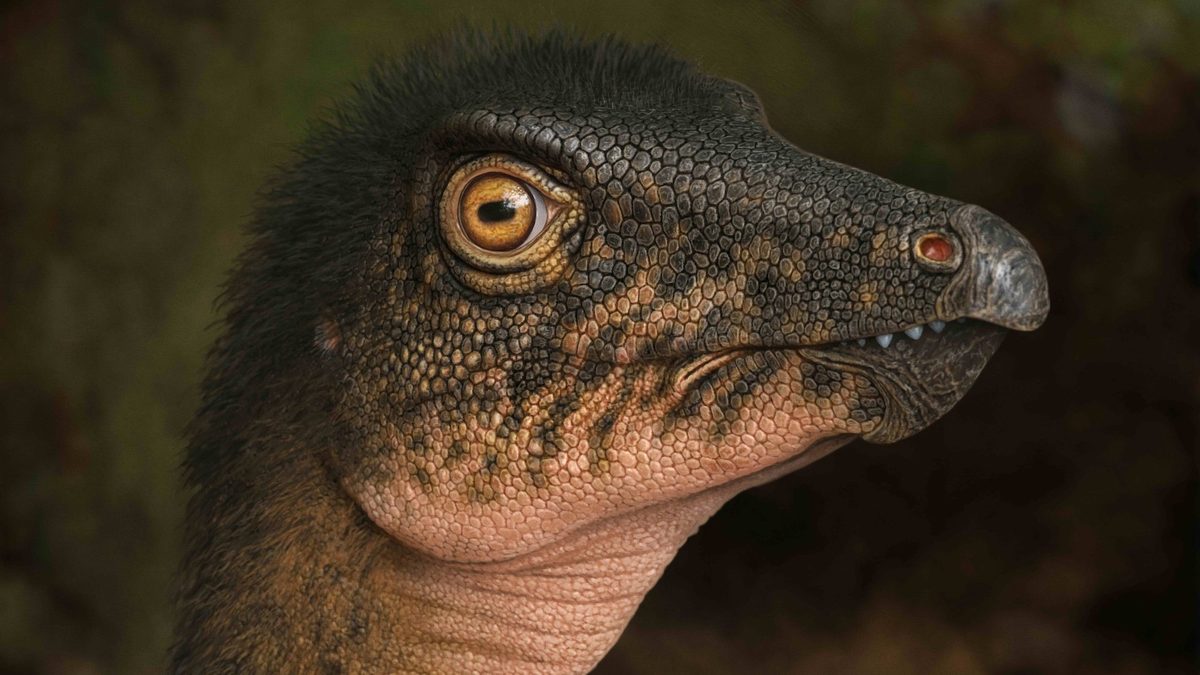
- Analysis published in the journal Rocky Mountain Geology identified the fossil as part of a vertebra from an herbivorous dinosaur related to species such as Thescelosaurus or Edmontosaurus.
- This fossil predates the Cretaceous-Tertiary mass extinction event, representing a snapshot of life just before this pivotal moment in Earth’s history.
Background
The Denver Basin, underlying the city, has a rich sedimentary record shaped by ancient rivers and floodplains. During the Late Cretaceous period, around 67 million years ago, this area was dominated by lush tropical rainforests and swampy lowlands. Large herbivorous and carnivorous dinosaurs, including species like Triceratops and Tyrannosaurus rex, roamed these landscapes. The DMNS has long studied fossils from this region, but never before has a fossil been found beneath the museum itself—especially at such a great depth.
Patrick O’Connor, DMNS director of Earth and Space Sciences, remarked, “This may be the most unusual dinosaur discovery I have ever been a part of.” The sheer improbability of uncovering dinosaur bones beneath a modern urban parking lot highlights the hidden depths of geological history directly below our feet.
Impact Analysis
The discovery has significant scientific value. First, the depth and age of the fossil provide an unprecedented geological context for the Late Cretaceous ecosystems within an urban environment. Studying such deep core samples allows paleontologists and geologists to refine the stratigraphy and environmental reconstructions of the Denver Basin, improving understanding of the conditions leading up to the mass extinction event that wiped out the non-avian dinosaurs.
James Hagadorn, DMNS curator of geology, stated,
"It’s basically like winning the lottery and getting struck by lightning on the same day. No one could have predicted that this little square foot of land where we started drilling would actually contain a dinosaur bone beneath it."This illustrates both the rarity and the serendipity of the find.
Furthermore, these fossils help illustrate how drastically the Denver region has transformed over millions of years—from tropical wetlands to its current mountainous and temperate environment. Such discoveries foster public interest and support for paleontological research and environmental conservation.
Broader Context
Finding dinosaur remains beneath a city parking lot is a remarkable reminder that urban development often overlays layers of ancient history. Many metropolitan areas built on sedimentary basins may conceal fossils and geological records yet to be discovered. This case illustrates the potential synergy between urban infrastructure projects—like geothermal drilling—and scientific research.
The Denver Museum's initiative to explore geothermal energy also aligns with a global shift towards sustainable energy sources. While the decision to make this energy transition remains under consideration, the drilling has already yielded unexpected scientific rewards, linking sustainability efforts with enhanced understanding of natural history.
Future Outlook
The museum plans to temporarily display the discovered fossil to educate and inspire visitors about Denver's prehistoric past and the scientific process behind such discoveries. Meanwhile, researchers at the DMNS will continue examining the geological samples from the drilling project to uncover more about the Denver Basin's deep past.
Additionally, the museum’s geothermal energy evaluation may lead to a reduction in its carbon footprint, setting an example for other cultural institutions. Should they proceed with the geothermal conversion, the project could become a model for integrating sustainable technology with scientific exploration.
Conclusion
The unearthing of a 67.5-million-year-old dinosaur vertebra beneath the Denver Museum of Nature & Science's parking lot is an extraordinary convergence of urban development, scientific curiosity, and natural history. This serendipitous find not only enriches Denver's paleontological record but also underscores the potential for future discoveries hidden beneath our cities. As the museum balances sustainability goals with scientific inquiry, it continues to illuminate the deep connections between our modern world and Earth's ancient past.