NanoPhone: A Compact Smartphone with 45% Off and Full 4G Functionality
Introduction
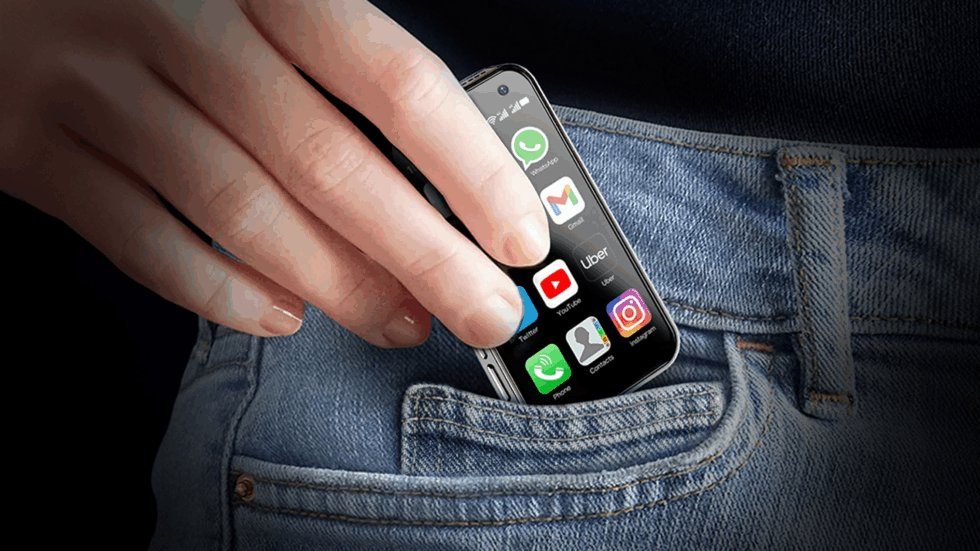
In an era dominated by large, feature-packed smartphones, there is a niche but growing demand for ultra-compact, minimalist devices that serve essential functions without the bulk. The NanoPhone, a credit card-sized smartphone, is a notable entrant in this space. It offers full smartphone capabilities in a surprisingly small form factor, appealing to users who want to travel light or maintain a backup device without sacrificing connectivity and functionality. Currently available at a promotional price of $109.99—down 45% from its regular $199.99—this gadget has attracted attention for combining portability with practicality.
Key Details
- Size: Credit card-sized with a 3-inch HD touchscreen.
- Operating system: Android 10, allowing use of popular apps like WhatsApp, Instagram, and YouTube.
- Connectivity: Supports 4G LTE, Wi-Fi, and dual SIM slots for travel or separating personal and work numbers.
- Hardware: Equipped with front and rear cameras, GPS functionality, and microSD card support for expanded storage.
- Included accessories: Protective case, screen protector, and charger.
- Price: Currently $109.99 after a 45% discount from $199.99.
Background
Smartphones have grown steadily in size and complexity over the years, often becoming bulky and heavy. While this trend favors enhanced media consumption and multitasking, it can be cumbersome in certain situations such as concerts, outdoor activities, or international travel where device security and portability are paramount. The NanoPhone taps into the minimalist tech movement, which values streamlined design, portability, and essential functionality over excess features. By running Android 10, it ensures compatibility with a wide range of applications, providing a genuine smartphone experience despite its tiny footprint.
Impact Analysis
The NanoPhone’s compact design addresses a key pain point for many users: balancing capability with convenience. For travelers, the dual SIM slots allow seamless switching between international SIM cards and home country numbers, reducing roaming costs and communication barriers. Outdoor enthusiasts and runners can benefit from its lightweight build and GPS tracking without the worry of damaging an expensive primary phone. Moreover, in emergency scenarios, having a reliable, easy-to-carry backup phone can be critical.
Despite its size, the NanoPhone does not compromise on essential smartphone features, including access to social media, messaging apps, cameras, and internet connectivity. This makes it a versatile tool for a variety of users who may prefer not to carry their primary device at all times. The inclusion of microSD support adds flexibility for users who need additional storage for media or apps.
Broader Context
Miniaturized smartphones like the NanoPhone highlight a growing trend toward device specialization and user-centric design in the tech industry. As consumers seek alternatives to the “bigger is better” philosophy, companies are exploring innovations that prioritize convenience, portability, and durability. This trend parallels the rise of wearable technology and ultra-portable gadgets that enable users to stay connected without burdening them with unnecessary size or weight.
Furthermore, the product’s affordability and feature set make it accessible to budget-conscious consumers and those in developing markets where compact and cost-effective smartphones can have significant social and economic impacts. The NanoPhone fits well within this inclusive approach to tech design, potentially expanding smartphone accessibility.
Future Outlook
The success of devices like the NanoPhone could encourage further development of ultra-compact smartphones with enhanced features, longer battery life, and improved hardware integration. As network technologies evolve (e.g., 5G and beyond), these devices will likely adapt to maintain compatibility while preserving their hallmark portability.
Manufacturers might also focus on augmenting security and privacy features tailored for minimalist devices, addressing growing concerns about data protection. The NanoPhone’s current generation sets a foundation for future iterations that could combine even greater utility with diminutive size.
Conclusion
The NanoPhone emerges as a clever solution for those seeking a small, versatile smartphone without the bulk of modern flagship devices. Its 45% discounted price of $109.99 makes it an attractive option for travelers, minimalists, outdoor adventurers, and anyone needing a dependable secondary phone. By balancing compactness with a robust feature set, the NanoPhone exemplifies how innovation in smartphone design can cater to diverse user needs beyond the mainstream market.