Astronomers May Have Captured First-Ever Impact Event on Saturn, Sparking Scientific Excitement
Astronomers May Have Captured First-Ever Impact Event on Saturn, Sparking Scientific Excitement
Introduction
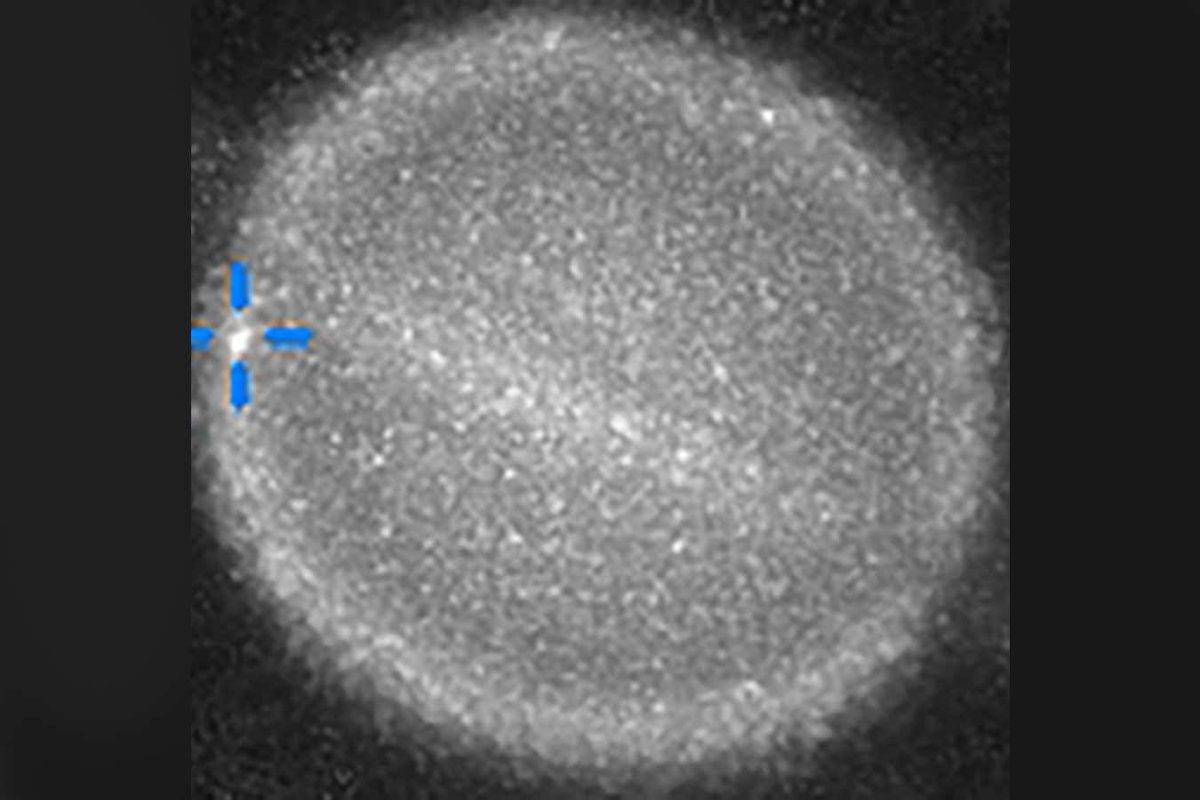
In a groundbreaking development, astronomers may have for the first time captured the moment an asteroid or comet struck Saturn. While scientists estimate that objects collide with Saturn approximately seven times a year, no direct observation of such an event has ever been confirmed until now. This potential discovery has ignited a flurry of activity within the astronomical community as researchers race to find additional imagery and data to confirm and better understand this rare cosmic encounter.
Key Details
- Estimates suggest Saturn is hit by seven asteroid or comet impacts annually, but direct observations have been elusive.
- Astronomer(s) reportedly captured a brief flash or disturbance believed to be caused by an impact event.
- Verification efforts are underway to locate additional photos or recordings from professional and amateur astronomers worldwide.
- Understanding such impacts could provide valuable insight into Saturn’s atmosphere and ring dynamics.
- Previous detections of impacts on Jupiter have shaped knowledge of planetary impacts in the Solar System.
Background
Saturn, the sixth planet from the Sun, is a gas giant distinguished by its extensive ring system and numerous moons. Its massive gravitational field attracts a variety of space debris, including asteroids and comets, which occasionally collide with the planet. Despite predictions that about seven such impacts occur each year, the vastness of Saturn’s atmosphere and the rarity of visible flashes have made direct detection extremely difficult.
Historically, visible impact events have been observed on Jupiter, notably the Shoemaker-Levy 9 comet collision in 1994, which provided unprecedented insights into giant planet atmospheres and impact phenomena. Such observations help astronomers understand the frequency and consequences of cosmic impacts across the Solar System.
Analysis
The potential observation of an impact on Saturn represents a significant advancement. If confirmed, it will be the first time humanity has witnessed such an event live on this planet, offering a unique opportunity to study the dynamics of impacts on a gas giant with a distinct atmosphere and ring system. Researchers hope to analyze the energy released, the composition of the impacting body, and the atmospheric effects triggered by the collision.
This discovery also underscores the growing role of both professional observatories and skilled amateur astronomers in monitoring planetary phenomena. With improvements in telescope technology and imaging techniques, the chances of capturing transient events have increased markedly, enabling rapid responses and collaborative verification efforts worldwide.
Moreover, understanding impacts on Saturn is crucial for broader planetary science, including theories about the evolution of the Solar System and the hazards posed by near-planetary objects. It also provides comparative data to impacts on other planets, enriching models of planetary atmospheres and ring evolution.
Conclusion
While the evidence for an asteroid or comet striking Saturn is currently preliminary, the excitement it has generated within the astronomical community is palpable. The event, if confirmed, would open new windows into our understanding of planetary processes and the dynamic environment around Saturn. Scientists continue to analyze data and seek additional observational confirmation, emphasizing the importance of vigilance and collaboration in planetary science. For the general public, such discoveries highlight the ongoing wonders of our Solar System and the evolving capabilities in space observation.