Ancient Forest Collapse Linked to Long-Term Global Warming After Earth’s Greatest Mass Extinction
Introduction
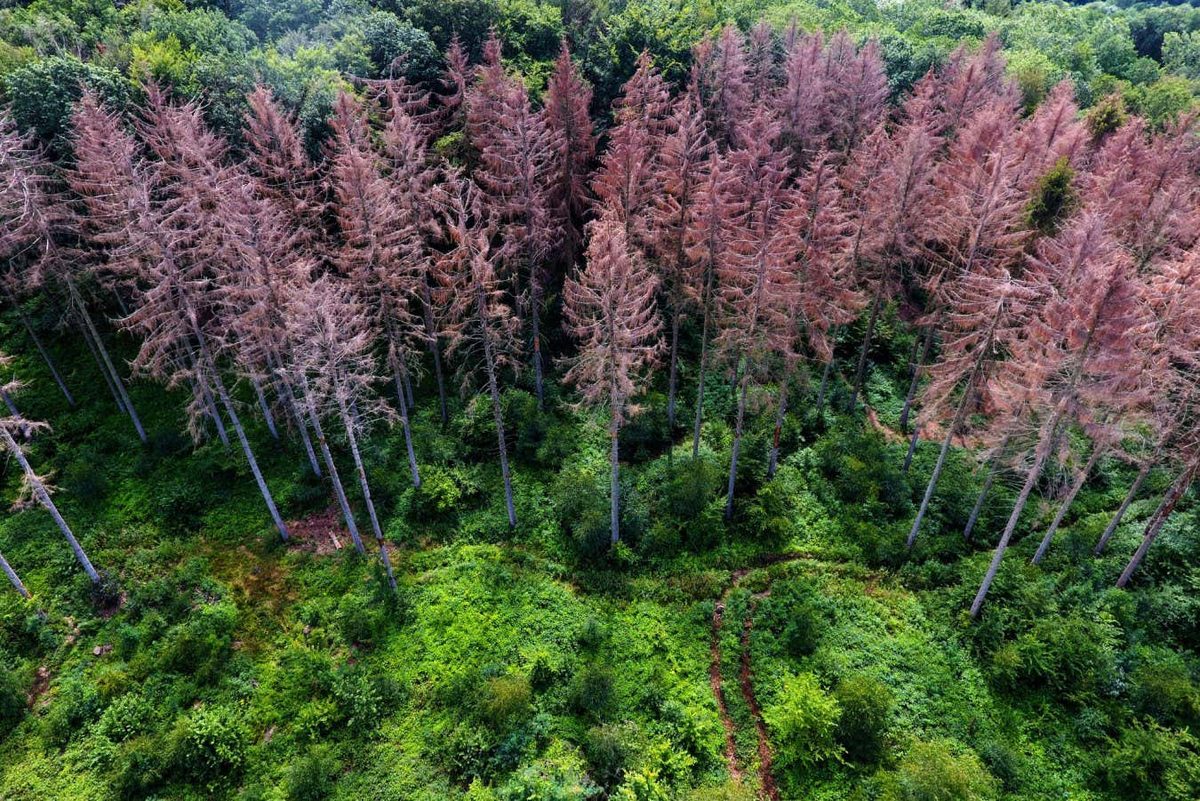
The Permian-Triassic extinction event, occurring approximately 252 million years ago, remains the most severe biodiversity crisis in Earth’s history, with an estimated 90-96% of marine species and 70% of terrestrial vertebrates wiped out. While its causes have long been debated, recent fossil analyses have provided new insights into how the obliteration of ancient forests contributed to a dramatic and prolonged increase in global temperatures, effectively turning Earth into a "super-greenhouse" world.
Key Details
- Fossil records from multiple continents reveal that vast forest ecosystems were decimated during the extinction event.
- The loss of these forests disrupted the terrestrial carbon cycle, reducing carbon sequestration capacity.
- Consequently, atmospheric carbon dioxide levels remained elevated for millions of years after the extinction.
- This prolonged high CO2 concentration triggered sustained global warming, characterized as a super-greenhouse climate state.
- The findings help explain the delayed recovery of ecosystems and the slow return to more temperate climates.
Background
The Permian-Triassic extinction, often referred to as the "Great Dying," marks the boundary between the Permian and Triassic geological periods. Its causes are thought to be multifactorial, involving massive volcanic eruptions in the Siberian Traps, climate change, ocean acidification, and widespread anoxia. Forests, which play a critical role in absorbing atmospheric CO2 through photosynthesis, were largely destroyed, significantly impacting the global carbon balance.
Forests act as carbon sinks, removing CO2 from the atmosphere and storing it in biomass and soils. Their large-scale destruction would have halted this important natural process, allowing greenhouse gases to accumulate and further intensify global warming. This created a feedback loop that sustained hostile environmental conditions and delayed ecosystem recovery for millions of years.
Analysis
The new study, based on detailed fossil analysis from multiple geographic locations, reconstructs how forest collapse directly influenced the carbon cycle during this critical period. By comparing fossilized plant remains and soil profiles, researchers were able to estimate the extent of forest loss and correlate it with rising carbon dioxide levels. The evidence points to a significant drop in photosynthetic activity, which would have otherwise helped stabilize atmospheric CO2.
This research provides a crucial piece of the puzzle linking biotic factors—specifically vegetation loss—to climatic shifts during one of Earth’s most extreme environmental crises. It underscores the importance of terrestrial ecosystems in regulating climate and highlights how their destruction can lead to runaway greenhouse conditions. This has important implications for understanding both past and future climate dynamics, especially in the context of current anthropogenic deforestation and carbon emissions.
Conclusion
The Permian-Triassic extinction event’s legacy extends beyond mass species loss; it fundamentally reshaped Earth’s climate system. The collapse of ancient forests disrupted the carbon cycle and helped maintain a super-greenhouse state for millions of years, prolonging environmental stress and delaying recovery. These findings deepen our understanding of how terrestrial ecosystems influence global climate and serve as a cautionary reminder of the potential long-term consequences of large-scale ecosystem destruction in the modern world.