Colossal Biosciences Faces Scientific and Ethical Hurdles in Ambitious Moa De-Extinction Effort
Introduction
In recent years, the concept of de-extinction — reviving extinct species through advanced genetic technologies — has moved from the realms of science fiction into serious scientific inquiry. Colossal Biosciences, a biotechnology company known for its high-profile and often controversial projects, recently announced plans to bring back nine species of the giant moa, flightless birds that once roamed New Zealand but have been extinct for centuries. This announcement follows their earlier claims regarding the revival of the dire wolf, another extinct species. However, the path to resurrecting the moa involves significant scientific, ethical, and ecological challenges that make the project currently unfeasible.
Key Details
- Colossal Biosciences’ recent announcement: Plans to de-extinct nine species of moa birds.
- Previous projects: Controversial efforts to resurrect the dire wolf have drawn both skepticism and attention.
- The moa: Giant flightless birds native to New Zealand, extinct since the late 15th century due to human hunting and habitat loss.
- Scientific hurdles: Challenges in recovering intact DNA, reconstructing genomes, and developing viable embryos.
- Ethical and ecological concerns: The impact on current ecosystems, animal welfare, and conservation priorities.
Background
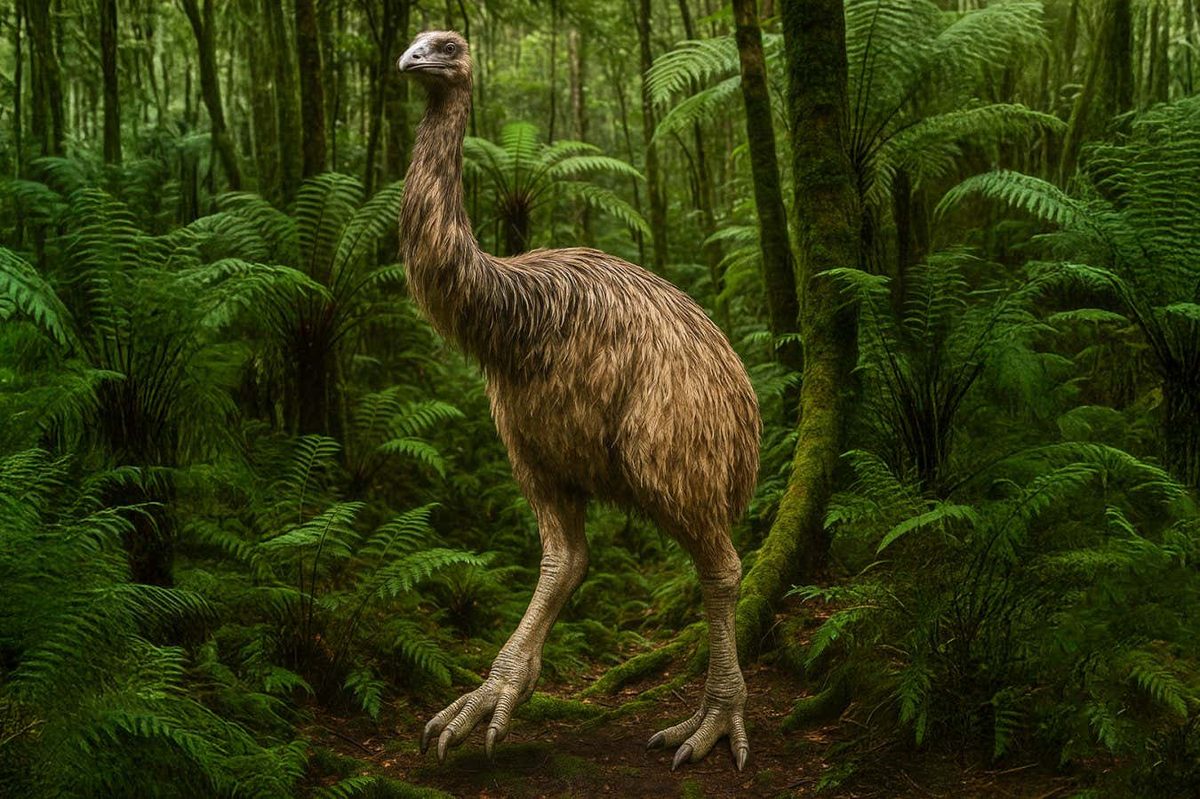
The moa were a group of large, flightless birds that evolved in isolation in New Zealand’s unique ecosystems. Comprising several species ranging in size from turkey-sized to over three meters tall, they played a critical role as herbivores in their habitats. Their extinction coincided with the arrival of the Maori people around the 13th century, whose hunting and habitat modifications, combined with the introduction of predatory species, led to their rapid disappearance.
De-extinction efforts attempt to reconstruct these animals’ genomes using preserved DNA fragments from subfossil remains, often combining this data with those of their closest living relatives—in the moa’s case, the kiwi and other ratites. Colossal Biosciences aims to use cutting-edge gene-editing technologies such as CRISPR to recreate the moa genome, then develop viable embryos to be brought to term, potentially via surrogate species.
Analysis
Despite the excitement around such projects, experts highlight numerous obstacles that make moa de-extinction currently impossible. First, DNA degradation over hundreds of years presents a major barrier. Unlike more recent extinctions where genetic material is relatively intact, moa DNA is often fragmented and contaminated, complicating genome assembly. Second, even if a complete genome is reconstructed, the technical challenges of editing and growing a viable embryo remain daunting, with no proven protocol for large, complex birds like the moa.
Beyond the technical issues, significant ethical and ecological questions arise. Scientists and conservationists debate whether resources should focus on protecting endangered species rather than reviving extinct ones. There are also concerns about the welfare of de-extinct animals and the ecological consequences of reintroducing species into environments that have since evolved without them. New Zealand’s current ecosystems have adapted to the absence of moa for centuries, and their reintroduction could disrupt established balances or inadvertently introduce new risks.
Colossal’s announcement also reflects a trend of high-profile projects pushing the boundaries of biotechnology, which can drive public interest but may also oversell current capabilities, leading to unrealistic expectations. The company’s prior claims about the dire wolf have been met with skepticism due to similar challenges.
Conclusion
While the vision of bringing back the giant moa captivates imaginations and symbolizes the potential of modern genetics, it remains a distant goal given current scientific and ethical landscapes. The challenges of DNA recovery, embryo development, and ecological integration are formidable. Furthermore, thoughtful debate is needed about the role of de-extinction in conservation strategies. For now, Colossal Biosciences’ project serves as a reminder of both the promise and limits of biotechnology in addressing extinction and biodiversity loss.