How eSIMs Enhance Security but Require Vigilance Against Hacking
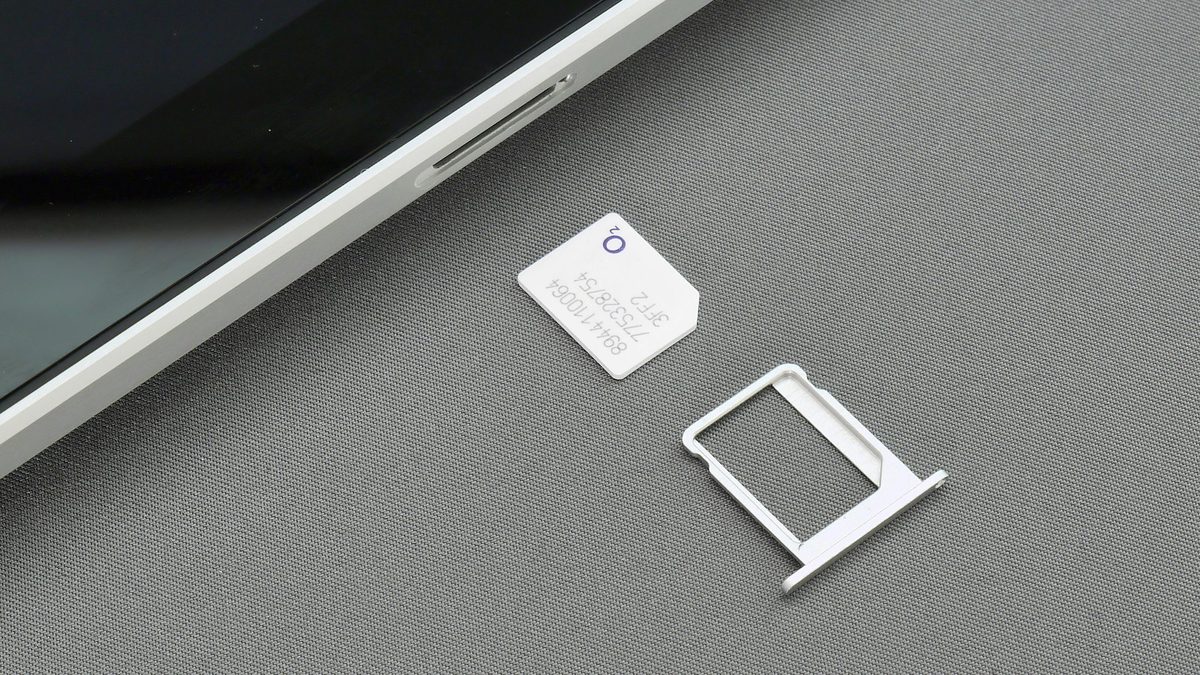
Introduction
The evolution of mobile connectivity has brought a significant shift from traditional physical SIM cards to the modern eSIM (Embedded SIM) technology. Supported by nearly all recent smartphones, eSIMs eliminate the need for a removable card, embedding the subscriber identity module directly into the device. This change offers numerous benefits in terms of convenience and security, reshaping how users manage their mobile connections globally.
Key Details
- eSIMs store user identity and network data on a programmable chip inside the device.
- They allow remote management of mobile plans via carrier or eSIM provider apps.
- Physical SIM card theft or swapping is rendered impossible with eSIMs.
- Data stored on eSIMs is encrypted, making tampering and cloning difficult.
- Setup process involves stringent identity verification by carriers and providers.
- Despite enhanced security, eSIMs remain vulnerable to SIM swapping and malware attacks.
- Users should employ strong passwords, two-factor authentication, and keep devices updated.
Background
Traditional SIM cards have been the cornerstone of mobile network access for decades, acting as physical tokens carrying subscriber identity and network authorization data. However, with the rise of smartphones and increasingly mobile lifestyles, the drawbacks of physical SIMs—including the risk of theft, the inconvenience of swapping cards, and delays in provisioning—became apparent.
Embedded SIMs emerged as a solution to these challenges. Instead of a removable card, an eSIM is a small chip soldered into the device’s motherboard, which can be programmed remotely to switch between carriers or plans without physical intervention. This innovation not only streamlines user experience but also introduces enhanced security by eliminating the possibility of physically extracting or cloning the SIM.
Impact Analysis
The embedded nature of eSIMs significantly reduces the risk of SIM theft and misuse. Unlike physical SIM cards, which can be removed and inserted into different devices for impersonation or fraud, eSIMs are firmly integrated into the hardware. This integration means that attackers cannot easily transfer a user's phone number to another handset to intercept calls or messages.
Moreover, eSIM data is encrypted and protected by multiple layers of security, making tampering and cloning extremely challenging. Carriers enforce strict verification processes during eSIM activation and provisioning, ensuring that identity theft through SIM swapping is more difficult than with traditional SIMs.
However, eSIMs are not invulnerable. SIM swapping attacks, where fraudsters impersonate subscribers to trick carriers into migrating numbers to new devices, still pose a threat. Malware on infected devices can also compromise eSIMs by exploiting vulnerabilities or tricking users into suspicious links and downloads.
"While eSIMs offer improved physical security, users must remain vigilant against social engineering and digital attacks that can bypass hardware protections," experts warn.
Broader Context
The shift towards eSIM technology is part of a broader trend in telecommunications emphasizing digital transformation and increased security. For international travelers, eSIMs simplify connectivity by allowing users to switch between local operators without purchasing new SIM cards. This flexibility reduces reliance on insecure public Wi-Fi networks, which are common attack vectors for hackers.
Additionally, the rise of eSIMs aligns with the growth of IoT (Internet of Things) devices, many of which require reliable and secure mobile connectivity without the hassle of physical SIM management. The industry-wide adoption of eSIM standards aims to improve user experience while strengthening defenses against emerging threats in mobile communications.
Future Outlook
As eSIM adoption accelerates, mobile network operators and device manufacturers are expected to enhance security protocols further. This will likely include more robust identity verification, improved encryption standards, and expanded use of biometric authentication linked to eSIM management. Regulatory bodies may also introduce stricter guidelines to curb SIM swap fraud and protect consumer data.
Users should anticipate increased integration of eSIM functionalities into mobile operating systems, making management even more intuitive while maintaining strong security. Educational efforts to inform consumers about phishing and malware risks will be critical to closing security gaps that hardware protections alone cannot address.
Conclusion
eSIM technology represents a meaningful advancement in mobile security and user convenience by embedding SIM credentials directly into devices, greatly reducing physical theft and cloning risks. However, as with any technology, security is multifaceted. Users must remain proactive by employing best practices such as strong passwords, two-factor authentication, cautious handling of suspicious links, and keeping software updated.
Ultimately, eSIMs contribute to a safer, more flexible mobile ecosystem, but vigilance against social engineering and malware remains essential to fully protect personal communications.