Why Firefly Sightings Surge This Summer: Up to 70% More in Some Regions
Introduction
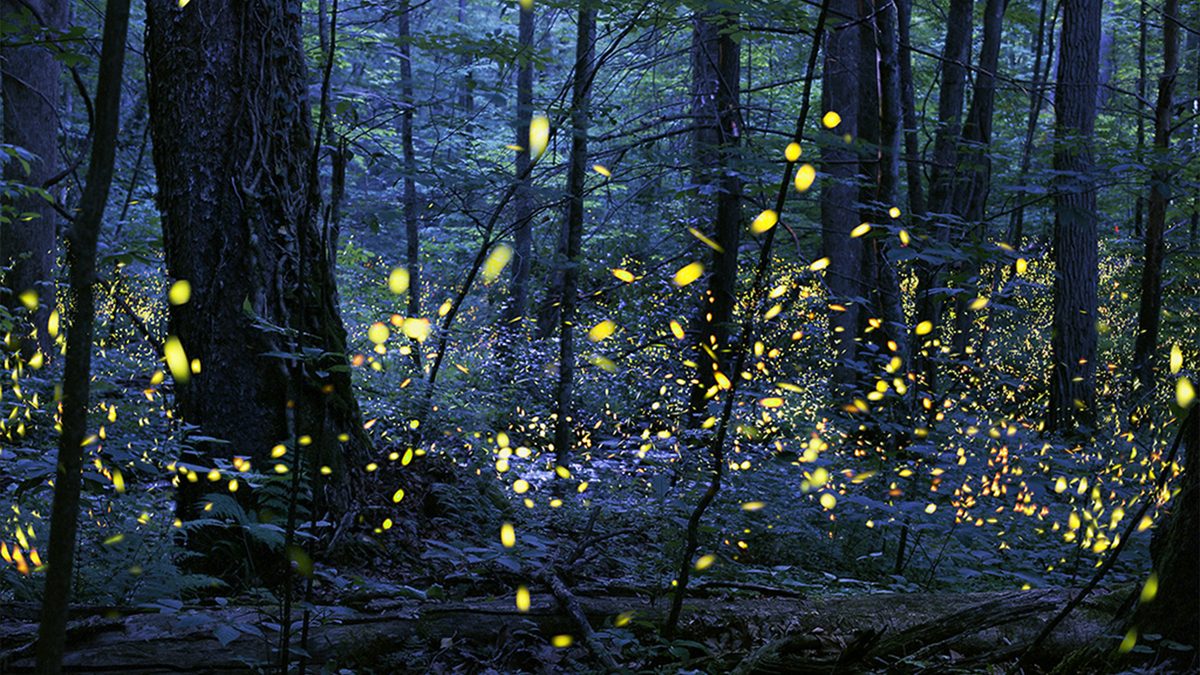
This summer, residents from rural Wisconsin to urban New York City are witnessing a rare natural spectacle: skies illuminated by thousands of flickering fireflies. Reports indicate that in some regions, firefly sightings have increased by as much as 70% compared to previous years, sparking both public wonder and scientific interest. Kimberly Mackowski of West Allis, Wisconsin, described the phenomenon as surreal:
“The whole forest was blinking. It’s like someone put blinking lights on, right at the forest entrance.”While fireflies—technically bioluminescent beetles in the family Lampyridae—have faced decades of decline due to habitat destruction and light pollution, this unexpected resurgence offers a glimmer of hope for both conservationists and nature lovers.
The surge is not isolated. Pennsylvania, Illinois, and even densely populated cities like Washington DC have recorded higher-than-usual activity. This article explores the reasons behind the spike, analyzes the ecological significance, and evaluates whether this summer’s spectacle signals a broader recovery or merely a temporary reprieve.
Key Details
- Multiple U.S. states report up to 70% more firefly sightings in summer 2025 compared to prior years.
- Favorable spring rainfall and warm, humid summer conditions have created ideal breeding environments.
- Fireflies follow a two-year lifecycle, suggesting 2025 may be a peak year in certain regions.
- Species like Photinus pyralis are more common in the East, while synchronous species are limited to Appalachia.
- Entomologist Emma Grace Crumbley emphasizes habitat preservation, reduced pesticide use, and light pollution control as key to sustaining populations.
- A 2024 study published in Scientific Reports links firefly bioluminescence evolution to ancient oxygen stress during the Toarcian Oceanic Anoxic Event 183 million years ago.
Background
Despite their whimsical nickname, fireflies are not flies but soft-bodied beetles in the family Lampyridae, with over 2,400 known species worldwide. Their iconic glow results from a chemical reaction involving luciferin, a compound with antioxidant properties that may have first evolved to combat oxidative stress in low-oxygen environments during the Early Jurassic period. Over millions of years, this trait transformed into a complex mating signal—each species emitting a unique flashing pattern to attract partners.
However, their numbers have been in decline. The International Union for Conservation of Nature (IUCN) notes that habitat fragmentation, pesticide use, urbanization, and climate change threaten numerous firefly species. Light pollution is particularly detrimental, disrupting mating signals and reducing reproductive success. Yet this summer’s spike in sightings suggests that under the right conditions, populations can rebound—albeit temporarily.
Impact Analysis
The most immediate factor behind the surge appears to be weather. Spring 2025 brought consistent, moderate rainfall across much of the eastern and midwestern U.S., creating moist soil ideal for firefly larvae, which dwell underground for up to two years. Crumbley explains:
“If your region receives consistent, moderate rainfall and experiences warm, humid temperatures throughout the summer, it is well-equipped to foster firefly populations.”
Additionally, the beetles’ biennial lifecycle means population peaks can fluctuate dramatically from year to year. A high sighting count in 2025 may simply reflect the emergence of a large cohort that developed in favorable conditions two years prior. This cyclical pattern underscores the importance of long-term monitoring over anecdotal observations.
Broader Context
The increase also highlights regional biodiversity. The U.S. hosts over 150 firefly species, each with distinct habitats and behaviors. Synchronous fireflies, which flash in unison, are largely confined to the Great Smoky Mountains. Residents outside this region may wrongly assume their local populations are dwindling when, in fact, such species are absent by natural design.
Moreover, citizen science initiatives like Firefly Watch and iNaturalist have improved data collection, helping scientists distinguish between genuine population changes and observational bias. These platforms allow researchers to track distribution trends and assess conservation needs more accurately.
Future Outlook
While the current uptick is encouraging, it does not negate long-term threats. Crumbley warns:
“It’s unfortunate, but it may simply be that the threats to fireflies—habitat loss, light pollution, pesticide use, and climate change—are the reason for their decline or abandonment in your area.”
However, individuals can help. Simple actions—leaving leaf litter, planting native vegetation, reducing lawn mowing frequency, and minimizing outdoor lighting—can create micro-habitats conducive to firefly survival. Organizations like Firefly.org offer detailed guides for backyard conservation, promoting community-level engagement.
Conclusion
The summer of 2025 may go down as a high point for firefly visibility in recent memory. With sightings up to 70% higher in some areas, the phenomenon reflects a confluence of favorable weather, natural lifecycle patterns, and growing public awareness. Yet this resurgence is fragile. Without sustained efforts to reduce light pollution, preserve green spaces, and limit chemical use, such displays may remain fleeting. For now, though, the blinking forests offer a hopeful reminder: nature, when given a chance, can still light up the night.