Global Climate Monitoring at Risk as U.S. Budget Cuts Threaten Key CO2 Data Collection
Global Climate Monitoring at Risk As U.S. Budget Cuts Threaten Key CO2 Data Collection
Introduction
In a stark warning to the international scientific community, climate researchers are sounding the alarm over proposed U.S. federal budget reductions that could terminate decades-long efforts to monitor atmospheric carbon dioxide (CO2) levels. These measurements, collected from key global sites including the Mauna Loa Observatory in Hawaii, form the backbone of climate science and inform international policy decisions. The potential loss of this data stream threatens to undermine global understanding of climate change at a time when precise monitoring is more critical than ever.
Key Details
The following developments underscore the urgency of the situation:
- Termination of NOAA’s atmospheric monitoring programs: Proposed budget cuts could eliminate funding for crucial observational networks operated by the National Oceanic and Atmospheric Administration (NOAA).
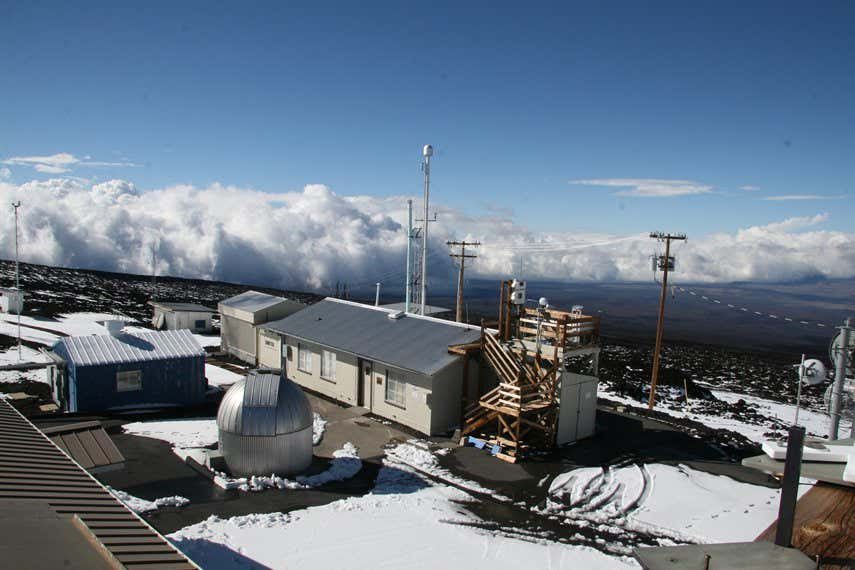
- Mauna Loa Observatory at risk: This site has provided the longest continuous record of atmospheric CO2 since 1958—the famous Keeling Curve—used globally to track rising greenhouse gas concentrations.
- No international backup system: Despite repeated appeals, no other nation or organization has yet committed to replacing the U.S.-led monitoring infrastructure.
- Data continuity at stake: Interruptions in CO2 measurements could disrupt climate models, hinder verification of emissions reductions, and compromise international climate agreements like the Paris Accord.
- Scientific community mobilizing: Researchers are urging colleagues worldwide to expand independent monitoring efforts and develop alternative data collection strategies.
Background
The United States has long played a leading role in atmospheric science. The Scripps Institution of Oceanography and NOAA have jointly maintained CO2 monitoring stations since the late 1950s. The Mauna Loa dataset, initiated by Charles David Keeling, is considered the gold standard in climate observation and revealed for the first time the steady rise of CO2 due to fossil fuel combustion. These measurements have been instrumental in shaping public awareness and scientific consensus around human-caused climate change.
Today, the U.S. supports a global network of monitoring stations across remote locations—from the Arctic to the South Pole—ensuring a comprehensive picture of greenhouse gas distribution. These data are freely shared with institutions such as the World Meteorological Organization (WMO), the Intergovernmental Panel on Climate Change (IPCC), and national meteorological agencies.
Analysis
The proposed budget cuts represent more than a domestic fiscal decision—they signal a potential retreat from America's role in global environmental stewardship. Without consistent, high-quality data, climate scientists cannot accurately verify national emissions reports, track the effectiveness of mitigation efforts, or predict future climate scenarios. This data gap could allow countries to underreport emissions without consequence, weakening the integrity of international climate diplomacy.
Moreover, atmospheric CO2 monitoring is not easily replicated. Establishing new stations requires technical expertise, long-term funding, and stable political support. While some countries, including Germany, France, and Japan, maintain monitoring systems, their networks are limited in scope and lack the global reach of the U.S.-led effort.
The scientific community faces a dual challenge: lobbying against the cuts and accelerating decentralized alternatives. Low-cost sensors, satellite-based observations, and university-led initiatives may help fill the gap, but they cannot immediately replace the precision and continuity of existing ground-based measurements.
Conclusion
The potential termination of U.S. CO2 monitoring programs marks a critical juncture for climate science. As global temperatures continue to rise and extreme weather events intensify, reliable data is essential for informed decision-making. Without urgent action—whether through restored funding or coordinated international expansion—the world risks flying blind in its efforts to combat climate change. The scientific community’s call for broader participation in carbon tracking is not just a technical appeal; it is a plea for global climate vigilance.