40% Stronger Roads: Cigarette Filters Boost Recycled Asphalt Durability
Introduction
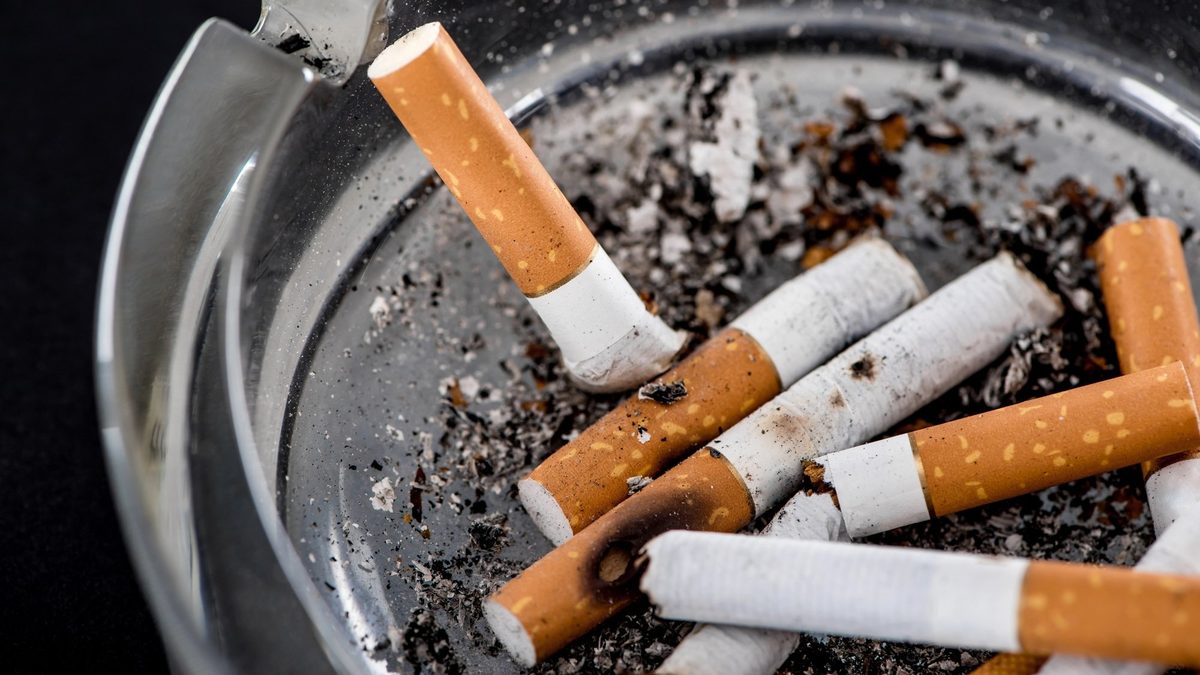
Every year, trillions of cigarette butts are discarded worldwide, creating one of the most pervasive and persistent forms of litter. These small, seemingly harmless remnants are, in fact, major pollutants—non-biodegradable, toxic, and nearly impossible to remove from ecosystems. Now, a groundbreaking study offers a bold solution: transforming this waste into a valuable construction material. Researchers from the University of Granada in Spain and the University of Bologna in Italy have demonstrated that recycled cigarette filters can significantly improve the performance of reclaimed asphalt pavement (RAP), increasing road durability while tackling environmental waste.
Key Details
The study, published in Construction and Building Materials, outlines a novel method of integrating processed cigarette butts into asphalt mixtures. Key developments include:
- Use of cigarette filters—primarily composed of cellulose acetate and poly(lactic acid) (PLA)—as reinforcing fibers in recycled asphalt.
- Development of two types of wax-encapsulated pellets: one containing only crushed cigarette filters (Pellet 1), and another enhanced with a chemical recycling agent (Pellet 2).
- Testing of asphalt mixtures containing 40% RAP, with varying concentrations of the cigarette-derived pellets.
- Measured improvements in fatigue resistance, flexibility, and crack resistance compared to conventional asphalt.
- Potential reduction in bitumen heating temperatures due to wax content, lowering energy use and emissions during road production.
Background
Cigarette butts are the most littered item globally. According to the World Health Organization, approximately 4.5 trillion are discarded annually—a figure projected to nearly double to 9 trillion by 2025. These filters do not biodegrade; instead, they fragment into microplastics, leaching harmful chemicals such as arsenic, lead, and nicotine into soil and water. Despite widespread awareness, collection and recycling programs remain limited and economically unviable.
Meanwhile, road construction is a major contributor to carbon emissions and resource consumption. Reclaimed asphalt pavement (RAP) is increasingly used to reduce environmental impact, but high RAP content can compromise road integrity due to aged bitumen’s reduced binding ability. Engineers have long sought additives to rejuvenate RAP—recently turning to cellulose fibers and waxes to enhance performance.
Impact Analysis
The new technique leverages both the fibrous structure and chemical composition of cigarette filters. After removing organic residues, the team pulverized the filters and mixed them into a wax matrix. When heated during asphalt production, the wax melts and releases the cellulose and PLA fibers, which act as reinforcement agents.
Testing revealed that all asphalt mixtures containing cigarette-derived pellets outperformed traditional asphalt in fatigue resistance and mechanical strength. Notably, the addition of the recycling agent in Pellet 2 further enhanced rejuvenation of aged bitumen, improving long-term road durability. Researchers observed a significant reduction in thermal stress cracking and increased resistance to deformation under load.
Additionally, the wax content allowed for lower application temperatures—potentially reducing energy consumption by up to 20% during asphalt mixing. This not only lowers greenhouse gas emissions but also improves working conditions for construction crews by minimizing fumes.
“Overall, this study confirms the possible use of recycling agent-encapsulated fibre pellets derived from [cigarettes] in mixtures containing RAP, with the potential effects on improving fatigue resistance,” the authors concluded.
Broader Context
This innovation sits at the intersection of waste management, circular economy, and sustainable infrastructure. Globally, only an estimated 1% of cigarette butts are recycled. Most end up in oceans, rivers, and urban spaces, posing risks to marine life and human health. By contrast, repurposing butts into construction materials could divert millions of tons of waste from landfills and ecosystems.
Other initiatives have explored similar concepts—such as using cigarette waste in bricks or plastic composites—but this is among the first to demonstrate practical, scalable integration into road materials. The method aligns with EU circular economy goals and could support national infrastructure agencies aiming to meet net-zero targets.
Future Outlook
The research team acknowledges the need for further optimization. Future studies will focus on refining pellet production, increasing recycling agent concentrations, and testing long-term field performance. Large-scale pilot projects are recommended to evaluate durability under real-world conditions, including extreme weather and heavy traffic.
There is also potential to combine cigarette fibers with other recycled materials—such as rubber from tires or plastic waste—to create hybrid asphalt with even greater sustainability benefits. Moreover, the development of standardized collection systems for cigarette waste could support industrial supply chains, turning a public health nuisance into a viable raw material.
Conclusion
The transformation of cigarette butts into a high-performance road material marks a significant leap in sustainable engineering. Not only does it offer a practical solution to a persistent environmental problem, but it also enhances the quality and longevity of recycled asphalt. With over 4.5 trillion butts discarded annually, the scale of waste is staggering—but so is the opportunity. If adopted widely, this technology could revolutionize road construction while advancing global efforts to reduce plastic pollution and build greener cities.