Unique Water Transport in Horsetail Plants Offers New Insights Into Ancient Climates
Introduction
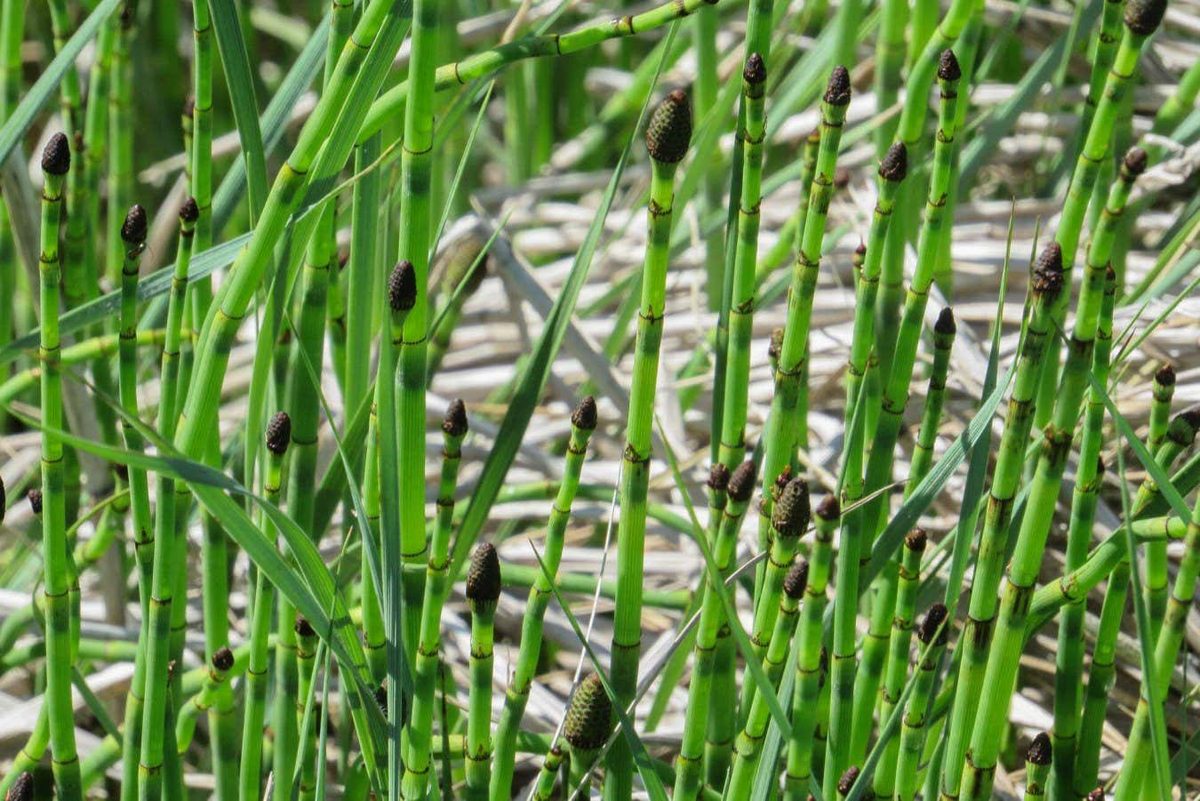
The study of ancient Earth’s climate is crucial for understanding how ecosystems have evolved over millions of years and how current climatic changes might unfold. One of the unexpected tools in this scientific pursuit comes from the humble horsetail plant—a species whose peculiar water transport mechanism through its stems offers unique clues about environmental conditions in the past. This discovery not only sheds light on plant physiology but also provides paleoclimatologists with a novel proxy for reconstructing ancient climates.
Key Details
- Horsetail plants (Equisetum spp.) exhibit an unusual pattern of water movement through their vascular system, distinct from most other plants.
- This water transport process affects isotopic signatures in the plant's tissues, which correlate with environmental variables such as humidity and temperature.
- Researchers have begun utilizing these signatures to infer ancient climate parameters, particularly in periods where direct geological evidence is scarce.
- The unique physiology of horsetails, which date back to the Paleozoic era, makes them ideal candidates for understanding climate conditions during critical periods of Earth’s history.
Background
Horsetail plants are living fossils, having existed for over 100 million years. Their resilience and distinctive biology have long attracted scientific interest. Unlike many vascular plants, horsetails possess a simplified vascular system with unique conductive tissue arrangements, resulting in an unconventional water transport mechanism. Traditionally, paleoclimatology has relied on proxies such as ice cores, sediment layers, and tree rings to estimate past climates. However, each proxy has limitations, particularly in regions or time periods where such records are incomplete or absent.
Recent advances in plant physiology and stable isotope analysis have opened new pathways for climate reconstruction. By studying the movement of water and the resulting isotopic imprint in modern horsetails, scientists can calibrate models that interpret similar signals found in fossilized specimens or sedimentary deposits associated with these plants.
Analysis
The discovery of this peculiar water transport mechanism is significant because it provides an additional, independent proxy for paleoclimate research. The isotopic composition of water within horsetail stems is influenced by ambient environmental conditions when the water is absorbed and transported. This means that by analyzing isotopic ratios in preserved horsetail tissues, researchers can gain insights into past humidity levels, precipitation patterns, and even temperature fluctuations.
Furthermore, horsetails’ ancient lineage means they have witnessed various climatic shifts, including major transitions such as the Permian-Triassic extinction event. Understanding their response to these changes at a physiological level allows scientists to better interpret fossil records and refine climate models for those eras.
This new proxy also complements existing methods. For example, where tree ring data is unavailable due to the absence of woody plants, horsetail-derived data may fill critical gaps. Additionally, this insight has implications beyond paleoclimatology; it enhances our understanding of plant water transport systems, potentially influencing agricultural and ecological research.
Conclusion
In summary, the unique water transport process found in horsetail plants is not merely a botanical curiosity but a powerful tool for reconstructing ancient Earth's climates. By leveraging these biological insights, scientists are expanding the arsenal of paleoclimatic proxies and deepening our understanding of Earth’s climatic past. Continued research in this area could illuminate patterns of climate change through geological timescales, informing predictions about future environmental shifts. As multidisciplinary studies progress, the humble horsetail plant stands out as a remarkable link connecting plant physiology and the history of Earth’s environment.