Rising Anti-Vaccine Sentiments Threaten Global Health with Measles Resurgence
Rising Anti-Vaccine Sentiments Threaten Global Health with Measles Resurgence
Introduction
The resurgence of measles, once considered a disease on the verge of elimination, has alarmed public health officials worldwide. This unexpected comeback is largely attributed to a growing wave of anti-vaccine sentiment that has taken root in various communities. The implications of this trend extend beyond measles itself, raising concerns about the potential for outbreaks of other preventable diseases.
Key Details
- Measles cases have surged globally, with significant increases reported in regions such as Africa, Europe, and parts of Asia.
- The World Health Organization (WHO) reported that global measles cases rose by over 500% in some areas in 2022 compared to previous years.
- The anti-vaccine movement has gained traction due to misinformation spread through social media and distrust in government health agencies.
- Health experts warn that the decline in vaccination coverage increases the risk of outbreaks for other diseases like mumps and rubella.
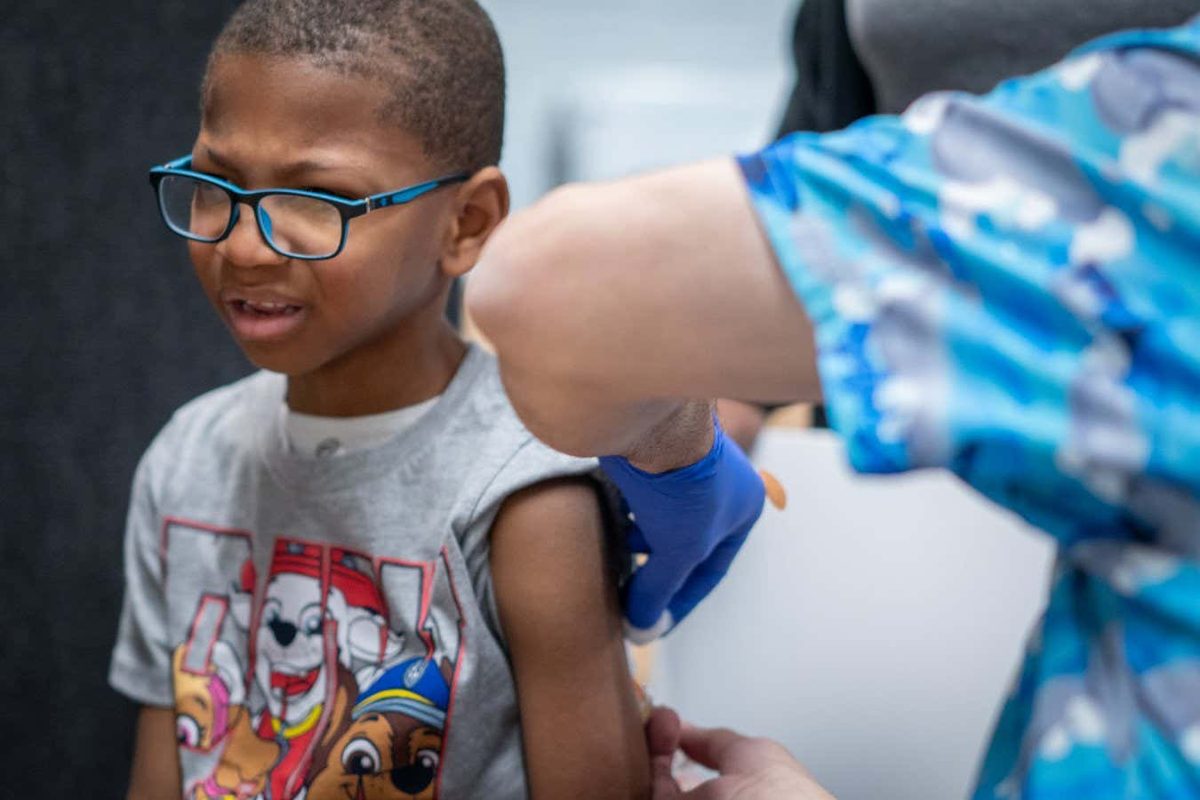
- The consequences of these outbreaks can be severe, resulting in hospitalizations and fatalities, particularly among unvaccinated children.
Background
Measles is a highly contagious viral disease that can lead to serious complications, including pneumonia, encephalitis, and death. Prior to the rise of the anti-vaccine sentiment, measles vaccination programs had effectively reduced the incidence of the disease. The introduction of the measles, mumps, and rubella (MMR) vaccine in the late 20th century was pivotal in driving down infection rates. However, recent years have seen a dangerous decline in vaccination rates.
The roots of the anti-vaccine movement can be traced back to various sources, including the discredited study published in the late 1990s that falsely linked the MMR vaccine to autism. Despite extensive research debunking this theory, fear and misinformation have persisted, leading to a significant segment of the population refusing vaccines. Additionally, the COVID-19 pandemic has further fueled distrust in vaccines, as misinformation about the coronavirus vaccines spilled over to other vaccination discussions.
Analysis
The resurgence of measles serves as a stark reminder of the fragility of public health achievements. Vaccination is one of the most effective public health interventions, and the decline in vaccination rates can create a perfect storm for outbreaks. Health experts emphasize the importance of maintaining high vaccination coverage to achieve herd immunity, which protects not only vaccinated individuals but also those who cannot be vaccinated due to medical reasons.
Moreover, the current situation highlights the need for better communication strategies from health authorities. Misinformation spreads rapidly through social media, often outpacing factual information. To combat this, public health campaigns need to be proactive in addressing concerns and myths surrounding vaccines. Transparent communication about vaccine safety and efficacy is crucial in restoring public trust.
The consequences of failing to address the vaccination gap can be dire. The resurgence of measles is merely a precursor to other preventable diseases that could follow if vaccination rates continue to decline. Diseases such as whooping cough, diphtheria, and even polio could see a return if the trend of vaccine hesitancy persists. Consequently, it is vital for global health organizations, governments, and communities to unite in efforts to advocate for vaccination and combat misinformation.
Conclusion
The alarming rise in measles cases worldwide is a direct consequence of growing anti-vaccine sentiments, which pose a significant threat to public health. The implications of this trend go beyond measles, potentially leading to a resurgence of other preventable diseases. It is imperative for health authorities to engage in effective communication, public education, and outreach efforts to combat misinformation and restore confidence in vaccines. The future of global health depends on our collective commitment to vaccination and public health initiatives.