Stunning Cosmic Vistas: Highlights from the ZWO Astronomy Photographer of the Year Contest
Introduction
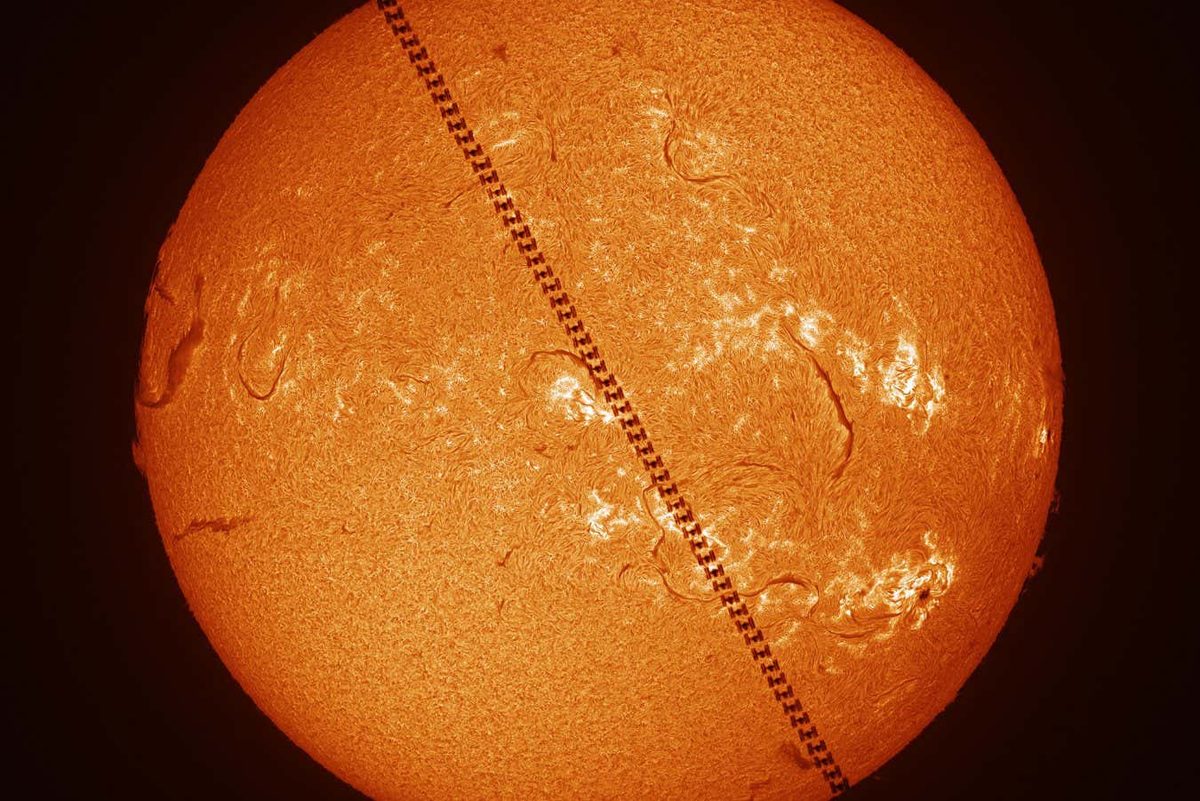
Every year, the ZWO Astronomy Photographer of the Year competition draws global attention to the extraordinary beauty of the cosmos through the lens of dedicated amateur and professional astrophotographers. The latest edition of this prestigious contest has once again revealed mesmerizing images—from the silhouette of a space station against the twilight sky to the ethereal glow of comet tails and the intricate dance of swirling stars. These photographs not only highlight the technical skill and artistic vision of the photographers but also deepen our appreciation and understanding of the vast universe beyond our planet.
Key Details
- Event: ZWO Astronomy Photographer of the Year contest
- Participants: Astrophotographers worldwide, both amateur and professional
- Categories: Include deep space, solar system phenomena, auroras, lunar landscapes, and more
- Winning images: Feature iconic space objects such as comets, space stations, planetary surfaces, and star clusters
- Impact: Promotion of astrophotography as a tool for scientific outreach and public engagement with space exploration
Background
The ZWO Astronomy Photographer of the Year contest has emerged as a significant platform celebrating the art and science of astrophotography. Sponsored by ZWO, a manufacturer of astronomy cameras and equipment, the competition attracts thousands of submissions annually from across the globe. Participants submit images capturing celestial events, astronomical objects, and night sky phenomena, often pushing the boundaries of technology and skill. The contest serves not only to reward artistic excellence but also to inspire curiosity and learning about astronomy among the general public.
Astrophotography itself is a demanding discipline. Achieving clarity and detail from millions of miles away requires advanced equipment, careful planning, and a deep understanding of both the subject and photographic techniques. Photographers often spend hours or days capturing light from faint stars or fleeting events like meteor showers or comet passages. The images produced are thus a testament to both human creativity and scientific inquiry.
Analysis
The images honored in the recent ZWO contest reveal more than just aesthetic splendor—they offer insights into current astronomical phenomena and technological advancements. For example, photographs of the International Space Station silhouetted against the setting sun emphasize humanity’s growing presence in low Earth orbit, reflecting decades of space exploration and international cooperation. Meanwhile, the captivating images of comet tails provide visual confirmation of dynamic processes occurring in our solar system, such as sublimation of ices and interactions with solar wind.
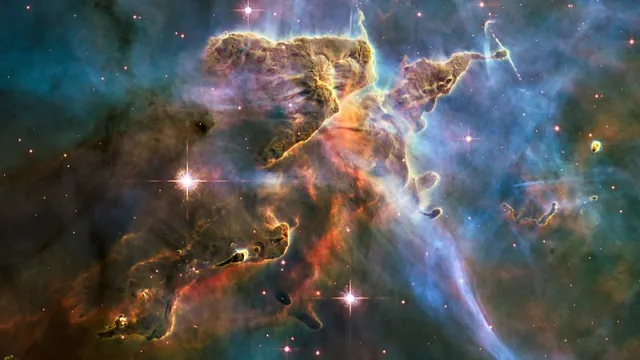
Moreover, the swirling patterns of distant star clusters and nebulae captured by long-exposure imaging shed light on the structure and evolution of galaxies. These photographs serve as both scientific records and artistic expressions, bridging the gap between empirical observation and cultural appreciation of the night sky.
From an educational perspective, the contest encourages public engagement with astronomy, prompting many viewers to look up and explore the night sky themselves. The accessibility of astrophotography equipment has grown, allowing enthusiasts to capture their own images and contribute to citizen science projects. Thus, the competition fosters a vibrant community that supports both scientific discovery and creative inspiration.
Conclusion
The ZWO Astronomy Photographer of the Year competition continues to captivate global audiences by presenting the cosmos in awe-inspiring detail and color. Its blend of artistic excellence and scientific relevance highlights the powerful role of photography in expanding our understanding of the universe. As technology improves and interest in space science grows, such contests will remain vital in connecting people with the mysteries and beauty of the sky above. They remind us that even in an age dominated by digital media, the night sky remains a source of wonder and discovery for all.