Inside the Dangerous Pursuit of Extreme Hail: Storm Chasers Risk It All to Decode Nature’s Fury
Introduction
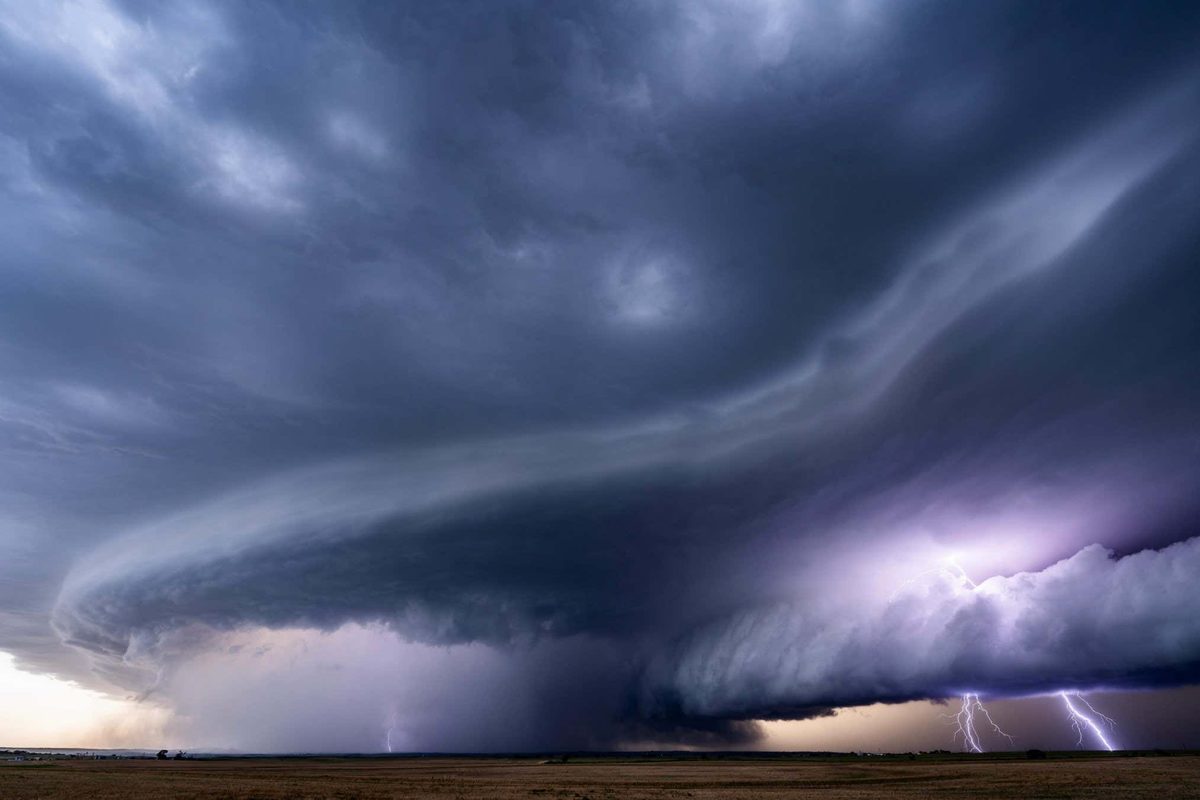
Across the world, a small but dedicated group of highly trained researchers and enthusiasts are risking life and limb to pursue one of nature’s most violent phenomena: extreme hailstorms. These dramatic weather events, characterized by often giant hailstones causing widespread damage, have long puzzled meteorologists. With increasing concerns over climate change and its impact on severe weather, these storm chasers have taken to the roads and skies to better understand the mechanics of hail formation and behavior.
Key Details
- Storm chasers use specialized vehicles equipped with radar, cameras, and sensors to track and intercept hail-producing storms.
- Extreme hailstones can exceed several inches in diameter, causing damage to vehicles, crops, and buildings.
- Research focuses on understanding atmospheric conditions that lead to hail formation, including temperature gradients, wind shear, and moisture levels.
- The data collected is vital for improving weather models and early warning systems, potentially saving lives and reducing economic losses.
- Storm chasing remains a dangerous pursuit with risks including violent winds, lightning, flash floods, and the hail itself.
Background
Hailstorms have always been a challenging aspect of meteorology due to their sudden onset and localized nature. Traditionally, hail was studied primarily through radar and post-event damage assessments. However, the last few decades have seen a rise in mobile storm chasing as a method to gather real-time data. This approach offers detailed insights into hailstorm dynamics, helping scientists refine theories about hail growth and precipitation processes.
The increase in hailstorm frequency and severity in some regions has raised alarms among climatologists. Some studies suggest that changing atmospheric conditions influenced by global warming might be contributing to more intense hail events, though research is ongoing. Understanding these patterns is crucial for agriculture-dependent economies, insurance industries, and public safety agencies.
Analysis
The work of storm chasers extends beyond thrill-seeking; it fills critical gaps in scientific knowledge. By positioning themselves close to the storms, researchers can observe hail formation stages, measure storm intensity, and collect valuable meteorological data that satellites and stationary radars cannot capture with the same precision.
Advancements in technology have transformed storm chasing from a risky hobby into an essential part of meteorological research. Enhanced radar systems, mobile Doppler units, and high-speed photography enable detailed tracking of hailstones and storm cells. Moreover, data from these expeditions feed into predictive models that increasingly incorporate artificial intelligence and machine learning to anticipate severe hail outbreaks.
Despite these advancements, the unpredictable nature of storms means chasers face significant risks. Their work requires a combination of meteorological expertise, quick decision-making, and often physical endurance. The potential for equipment damage or personal injury is high, underscoring the commitment and bravery of these researchers.
Conclusion
As climate variability continues to challenge weather prediction, the role of storm chasers in understanding extreme hailstorms is more important than ever. Their efforts contribute not only to the advancement of meteorological science but also to the development of better warning systems that can mitigate damage and protect communities. By chasing storms, these researchers help transform raw atmospheric chaos into actionable knowledge, ultimately saving lives and reducing economic harm worldwide.