Ancient Reptile Reveals Early Feather Evolution: A Triassic Marvel
Ancient Reptile Reveals Early Feather Evolution: A Triassic Marvel
Introduction
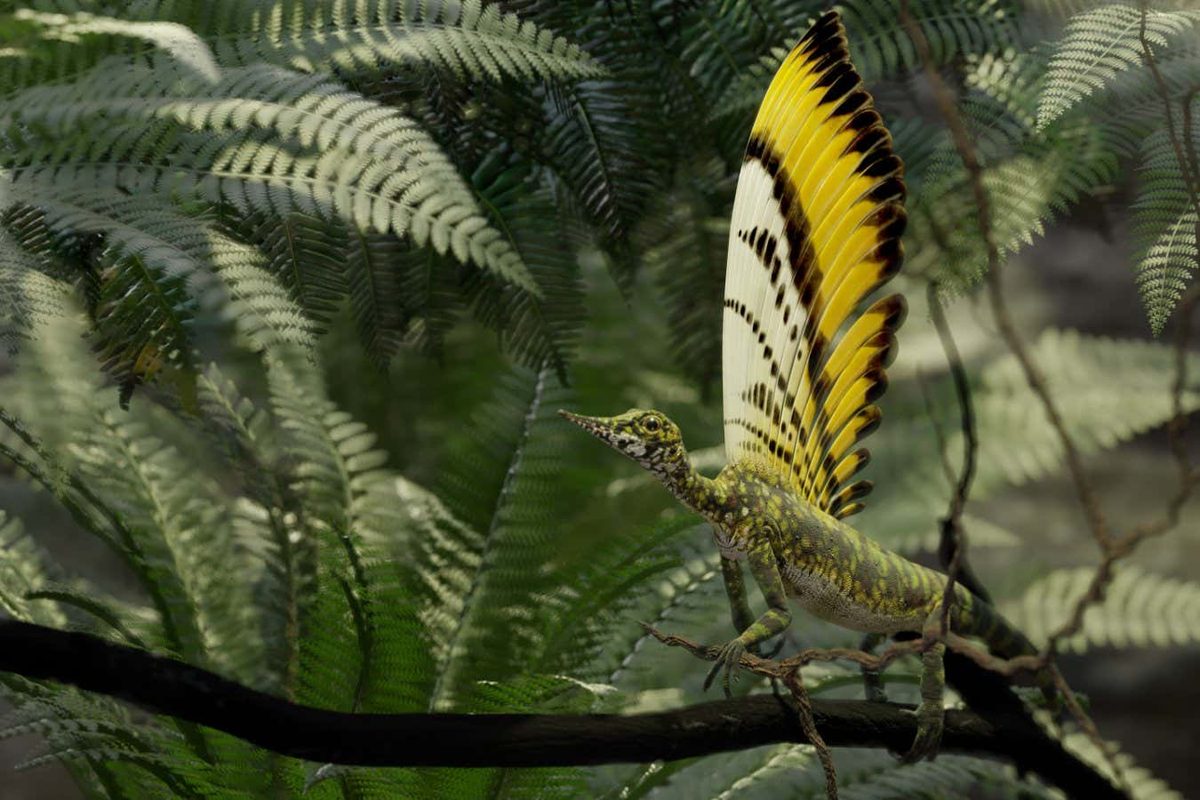
In a groundbreaking discovery that reshapes our understanding of the evolution of feathers, paleontologists have unearthed a remarkable fossil of a Triassic reptile that lived approximately 247 million years ago. This ancient creature, known for its impressive crest adorned with feather-like structures, predates the emergence of feathered dinosaurs by millions of years, suggesting that the evolutionary origins of feathers may be more complex than previously thought.
Key Details
- The fossil was discovered in what is now known as the Dolomites in northern Italy.
- This reptile, belonging to the clade Archosauromorpha, is a relative of modern birds and crocodilians.
- The crest featured elongated, feather-like appendages, which are believed to have played a role in display or thermoregulation.
- Previous theories suggested that feathers evolved primarily for insulation and later adapted for flight.
- This discovery indicates that feather-like structures may have appeared far earlier in the evolutionary timeline.
Background
The Triassic period, which spanned from approximately 252 to 201 million years ago, was a time of significant evolutionary experimentation following the mass extinction event that marked the end of the Permian period. During this era, reptiles began to diversify rapidly, giving rise to various forms, including the ancestors of both modern birds and crocodilians. The newly discovered fossil adds an intriguing layer to this narrative, as it showcases an early example of feather-like structures that existed long before the first known feathered dinosaurs appeared in the Jurassic period.
Paleontologists have long debated the purpose and origin of feathers. Traditionally, it was believed that feathers evolved as insulating structures to help regulate body temperature. Over time, these features adapted for flight, eventually leading to the evolution of birds. However, the presence of feather-like appendages on this Triassic reptile suggests that these structures may have served multiple functions much earlier than previously recognized, including display for attracting mates or intimidating rivals.
Analysis
This discovery challenges conventional wisdom regarding the timeline of feather evolution. The implications are profound, as they suggest that the drive for elaborate displays and social signaling predates the need for flight. Furthermore, it raises questions about the adaptive significance of these early feather-like structures. Were they primarily for display, or did they serve practical functions such as thermoregulation? The evolutionary pressures that favored the development of such structures in non-dinosaurian reptiles are now open to exploration.
Moreover, this finding encourages scientists to reconsider the ecological roles that these ancient reptiles may have played. The presence of a large crest suggests that they could have been visually striking, potentially influencing social interactions among species. This could indicate a rich behavioral ecology that we are only beginning to understand in the Triassic world.
Additionally, the evolutionary lineage that led to birds and their feathered counterparts might be more intricate than a straightforward progression from simple to complex. The discovery of such early feather-like appendages in a non-dinosaurian context underscores the potential for convergent evolution, where different species develop similar traits independently due to similar selective pressures. This could indicate that the functions of feathers, whether for display, insulation, or eventually flight, were being explored by various lineages long before the advent of true birds.
Conclusion
As paleontology continues to unveil the mysteries of our planet's distant past, this discovery of a Triassic reptile with feather-like structures offers a vital piece of the puzzle regarding the evolution of feathers. It not only deepens our understanding of the evolutionary history of reptiles but also invites further research into the complexities of social behavior and ecological interactions in prehistoric ecosystems. The implications of such findings are far-reaching, urging scientists to rethink existing narratives about the origins and development of one of nature's most fascinating adaptations.