Rwanda's Bridges: A Lifeline of Economic and Social Transformation
Introduction
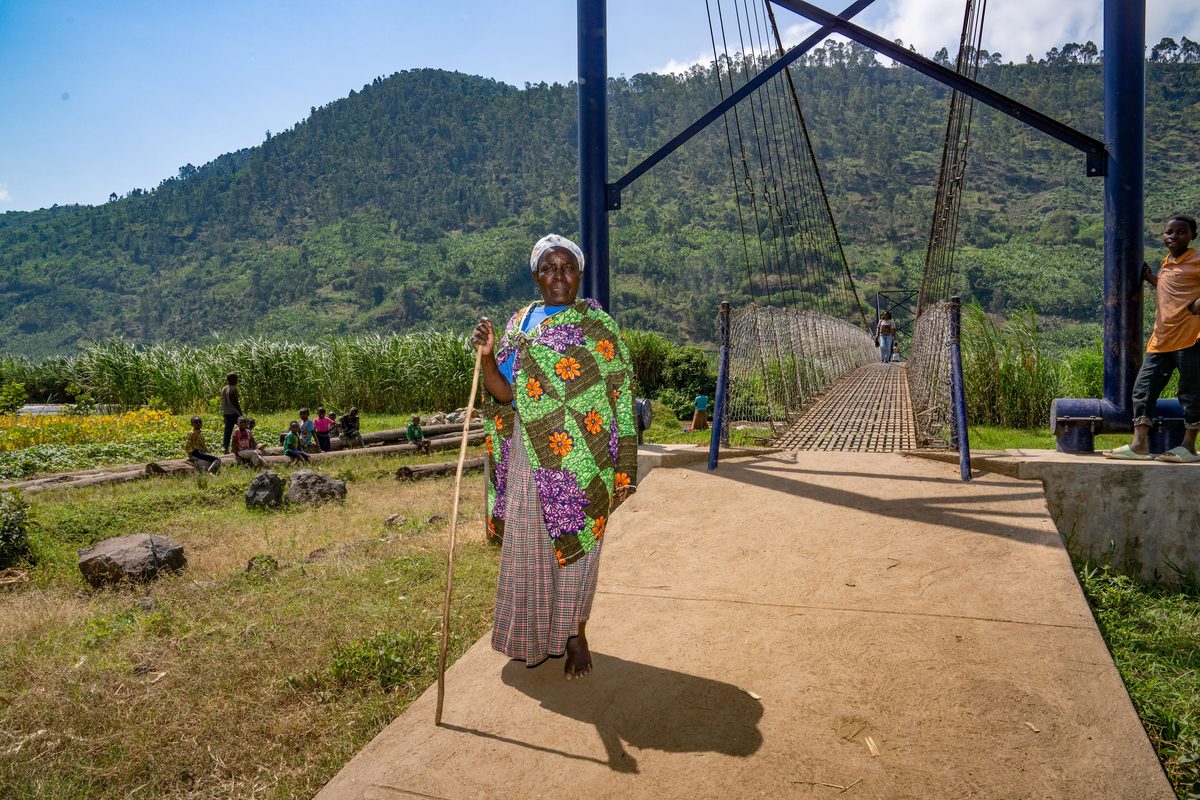
In the rugged, hilly landscape of Rwanda, the construction of simple yet robust bridges has emerged as a powerful catalyst for change, transforming the lives of countless individuals and communities. For residents like Naomi Nibishaka, a 76-year-old woman living in the Mukungwa River Valley, the advent of a new pedestrian suspension bridge has demarcated a clear division between life before and life after its construction. This seemingly modest 230-foot concrete and cable structure, connecting two previously isolated settlements, has become a vital artery, facilitating access to essential services, markets, and family connections that were once perilous or impossible to reach.
Key Details
- 96 bridges built in Rwanda since 2020 by the nonprofit Fika.
- Each bridge costs approximately $100,000, designed for challenging terrains without heavy machinery.
- A study by researchers from the University of Colorado Boulder surveyed thousands of households to assess impact.
- Key findings include increased household consumption and income, higher agricultural output, and improved school attendance.
- The health clinic near the Cyangoga bridge saw a 40% increase in patient visits.
- Farmers producing banana wine saw their output more than triple.
- The return on investment for the bridges was calculated at 120% within the first year.
- Over 134 students re-enrolled in a primary school after the bridge improved commute safety.
Background
Before the construction of the Cyangoga bridge in 2025, crossing the Mukungwa River presented significant dangers and logistical hurdles. Options were limited and fraught with risk: hiring an expensive boat, relying on precarious log bridges that were easily washed away during the rainy season, or undertaking a grueling three-hour hike each way to a safer, albeit distant, crossing point. The consequences of these difficult crossings were severe, including drownings, children being kept home from school due to safety fears, and farmers facing substantial losses as they struggled to access markets or supplies. The bridge-building nonprofit Fika, headquartered in Kigali and with a name meaning “to arrive” in Swahili, has been instrumental in addressing this infrastructure deficit. Funded by the Rwandan government and international donors, including the now-dismantled U.S. Agency for International Development (USAID) program under the Trump administration, Fika has erected 96 such bridges across the country.
Impact Analysis
The recently released findings from a comprehensive study, led by Evan Thomas, a professor of environmental engineering at the University of Colorado Boulder, offer compelling evidence of the transformative power of these bridges. By collecting data from tens of thousands of surveys across thousands of households, the research quantifies the myriad improvements that accompany enhanced connectivity. The study documented significant increases in household consumption and income, greater land cultivation, expanded use of fertilizers, and, notably, a rise in school enrollment. For individuals like Naomi Nibishaka, the bridge has restored autonomy and improved food security, allowing her grandchildren to bring her food more easily and enabling her to visit them. The impact extends to local economies; banana wine producers in the Mugunkwa River Valley more than tripled their output. Access to essential services has also dramatically improved, with the local health clinic experiencing a 40% surge in patient visits. The economic viability is underscored by a 120% return on investment within the first year of the bridge's operation.
“Solving that one fundamental transportation problem changes lots of economic decisions, farming decisions, and the payoff can be really big in the long run.”
The effect on education is particularly profound. Marie Gorette Mutuyimana, a primary school teacher, recounted her years of struggling with high dropout rates, often exacerbated by the perilous river crossing. She previously invested her own funds in bicycles for students and bore the immense responsibility of ensuring their safety. The bridge has not only alleviated this burden but has led to the re-enrollment of over 134 students, who now attend school with renewed enthusiasm and focus, allowing teachers like Mutuyimana to concentrate on instruction rather than safety concerns.
Broader Context
Rwanda’s challenging topography, characterized by steep mountains and abundant rainfall, makes infrastructure development a formidable task. Fika specializes in building two types of bridges suited to this environment: suspension bridges for valleys, anchored securely to prevent flooding, and suspended bridges for steep gorges, resembling classic “Indiana Jones” style crossings. The bridges are engineered for local construction without heavy machinery, making them a cost-effective solution at approximately $100,000 per unit. This approach is particularly relevant in the current global development landscape, where funding for aid programs has faced cutbacks, notably following the Trump administration's restructuring of U.S. foreign aid. As Edward Miguel, a development economist at the University of California, Berkeley, points out, studies like this provide crucial evidence for governments and organizations to prioritize investments in essential infrastructure, especially in regions like Rwanda where connectivity is a major barrier to progress.
Future Outlook
While the bridges have demonstrably improved lives and economies, they represent a foundational step rather than a complete solution. Residents in remote communities continue to express urgent needs for improved roads, reliable electricity, and access to clean water. Development economists like Edward Miguel acknowledge the daunting nature of addressing multiple interconnected challenges in rural areas. However, he emphasizes that each infrastructural improvement, like the construction of a bridge, yields significant positive outcomes and builds momentum for further development. For communities like the one served by the Cyangoga bridge, the new infrastructure has provided the essential safety and access needed to begin addressing these subsequent needs. As Marie Gorette Mutuyimana notes, having secured peace of mind regarding safety and service access, the community is now better positioned to advocate for and pursue other vital improvements to enhance their quality of life.
Conclusion
The bridges constructed by Fika in Rwanda serve as a powerful testament to the profound impact of targeted infrastructure investment. They are more than just crossings; they are conduits for economic opportunity, educational advancement, and improved health outcomes. The research validates the significant return on investment, demonstrating that even relatively low-cost infrastructure can unlock immense potential in challenging environments. As Rwanda continues to develop, these bridges stand as critical enablers, fostering greater connectivity and resilience, and laying the groundwork for addressing broader developmental needs in the years to come.
Source: npr.org