Campers with Brain Injuries Find New Confidence Amidst Shifting Federal Research Funding
Introduction
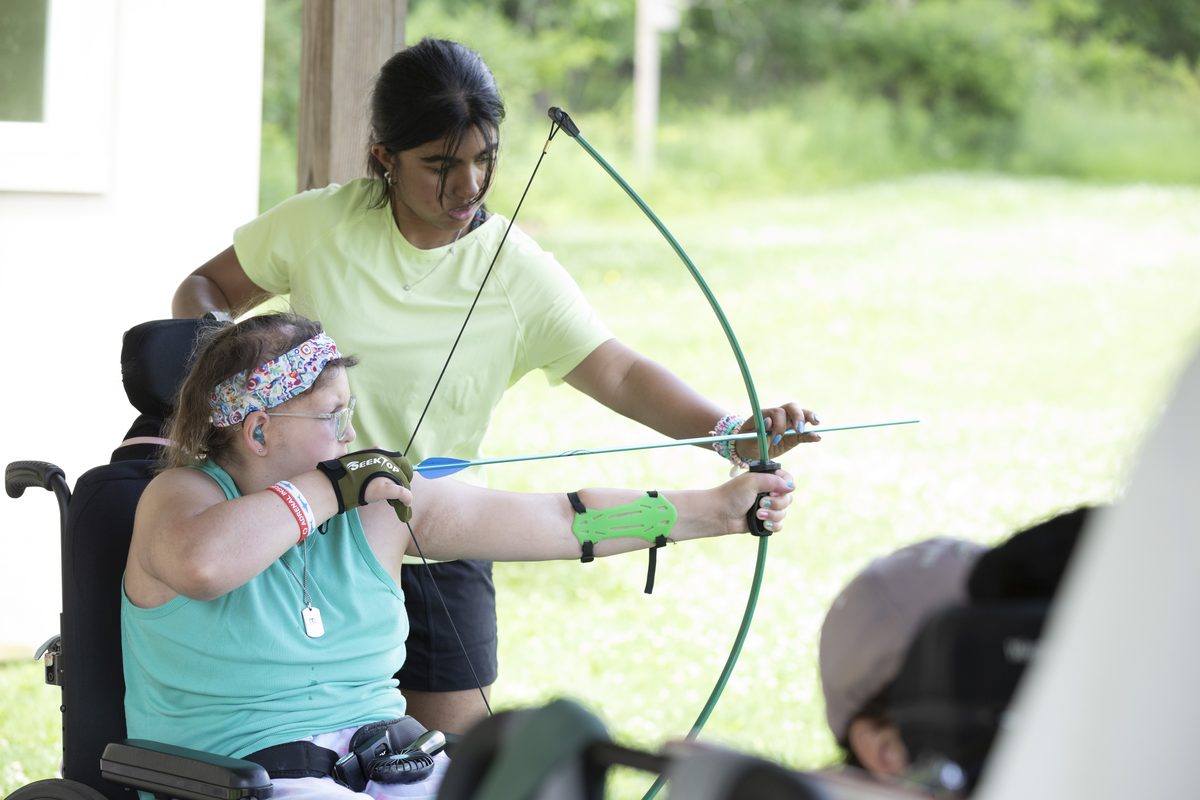
In the heart of rural Pennsylvania, Camp Cranium buzzes with the energy of children and adolescents who have all survived brain injuries. Here, amidst the sounds of archery, laughter, and splashing in the lake, campers aged 10 to 21 rediscover their capabilities and build confidence. For many, the camp represents a crucial escape from the daily challenges posed by injuries that can affect everything from speech to motor skills. Yet, the vibrant atmosphere at Camp Cranium and similar facilities across the nation is shadowed by growing concerns over the instability of federal research funding, particularly for traumatic brain injuries (TBIs).
Key Details
- Camp Cranium in Millville, Pennsylvania, provides a week-long summer experience for children and teens (ages 10-21) with brain injuries, offering activities like archery, rock climbing, swimming, and zip-lining.
- The camp has been operating since 2008, helping survivors of TBIs, some with severe injuries requiring relearning basic life skills, to regain confidence and independence.
- Nationally, an estimated 2.8 million Americans experience a TBI annually, including approximately 475,000 children, though recent studies suggest these numbers may be undercounts.
- Federal efforts to track and prevent TBIs have faced significant disruptions, including the non-renewal of a key law and the dismissal of numerous employees from the Centers for Disease Control and Prevention (CDC) TBI research team in early 2025.
- The Traumatic Brain Injury Act, which has provided federal grants for TBI research, advocacy, and services since 1996, has lapsed since 2024, with Congress currently considering its reauthorization.
- While Congress appropriated $8.25 million for TBI programs in 2026, this is substantially less than the $23 million per year previously allocated under the TBI Act.
- Non-profit camps like Camp Cranium are largely insulated from funding fluctuations as they rely primarily on private donations.
Background
The existence of specialized camps like Camp Cranium is a testament to advancements in medical care that have increased survival rates for individuals experiencing brain injuries. Since the 1980s, improved safety measures such as seat belt laws and enhanced trauma care have meant that more people, including children, survive critical events that might have previously been fatal. However, this increased survival rate also means a larger population living with the long-term effects of brain injuries, necessitating robust research, prevention strategies, and support systems.
A significant challenge in addressing TBIs is accurately tracking their prevalence. The damage caused by TBIs is often internal and not readily apparent, leading to the term “hidden injuries.” A pilot household survey conducted by the CDC in 2018 indicated that TBIs are more widespread than hospitalization data alone suggests. This underscores the importance of dedicated research teams and surveillance systems, like the nationwide concussion surveillance system the CDC team was poised to launch before its disruption.
Impact Analysis
The recent turmoil within federal agencies responsible for TBI research and prevention has cast a long shadow over future efforts. The dismissal of hundreds of employees at the CDC, including those dedicated to TBI tracking, has effectively dismantled a team on the cusp of launching a critical national concussion surveillance system. While a Department of Health and Human Services spokesperson stated that TBI work is being absorbed by other staff and that funds have been allocated for educational campaigns and prevention programs in 2026, concerns remain about the long-term impact of these disruptions.
“The lack of resources and programs and information that's out there is really just sort of appalling,” said Rebeccah Wolfkiel, executive director of the National Association of State Head Injury Administrators.
Furthermore, the lapse in the reauthorization of the Traumatic Brain Injury Act, which has been a cornerstone of federal support for TBI programs since 1996, creates significant funding uncertainty. Although Congress did allocate some funds for TBI programs in 2026, the amount is considerably less than what was provided annually through the TBI Act. This reduction in funding could hamper research initiatives, state-level grants for services, and advocacy efforts, potentially slowing progress in understanding and mitigating the effects of brain injuries.
Broader Context
Brain injuries can affect anyone, regardless of age or background. The stories of campers like Lucas Hardy, who sustained a TBI at age 3 when a tree branch fell on him, and Brianna Engleman, who underwent surgery for seizures that can impact brain function, highlight the diverse circumstances leading to brain injuries. The camp environment provides a unique space where individuals who have experienced similar challenges can connect, share experiences, and build a sense of community. This peer support is invaluable, as Engleman noted her increased confidence after attending Camp Cranium and being surrounded by others with shared experiences.
The situation also reflects a broader trend of shifting priorities and funding challenges within federal health research. While bipartisan support has historically aided the TBI Act, current political and budgetary landscapes present obstacles. The reliance on private donations for non-profit organizations like Camp Cranium demonstrates the critical role of community and philanthropic support in filling gaps left by federal funding uncertainties.
Future Outlook
The reauthorization of the Traumatic Brain Injury Act remains a critical point of focus for advocates and researchers. The outcome of congressional deliberations will significantly shape the future of federal support for TBI prevention, research, and services. For organizations like the Brain Injury Association of America, the goal is to preserve existing programs and funding levels to the greatest extent possible. The CDC's commitment to establishing a cost-effective national concussion surveillance system, despite budget constraints, signals a continued, albeit potentially scaled-back, focus on data collection and prevention.
For the campers and their families, the hope is that sustained attention and adequate resources will continue to support programs that foster recovery and enhance the quality of life for individuals with brain injuries. The success stories emerging from Camp Cranium, where campers like Bryan Sadowski, who suffered a stroke at age 6, find a supportive community, underscore the profound impact of such specialized environments. The potential for campers to transition into counselors, as Brianna Engleman plans, demonstrates a cycle of empowerment and resilience.
Conclusion
Camp Cranium serves as a powerful example of how specialized support can enable individuals with brain injuries to thrive, demonstrating remarkable resilience and achieving milestones that might seem daunting. The joy and confidence witnessed among the campers are a direct result of dedicated programs and environments that foster growth and recovery. However, the sustainability of crucial research and prevention efforts at the national level is under threat due to federal funding uncertainties and disruptions within key research institutions like the CDC. The ongoing debate over the reauthorization of the Traumatic Brain Injury Act and the reduced funding levels highlight the urgent need for stable, robust federal investment to ensure that progress in understanding, preventing, and treating brain injuries continues unabated, benefiting countless individuals and families across the nation.
Source: npr.org