Polyethylene Microplastics Linked to Fatty Liver Disease, Diet Exacerbates Risk
Introduction
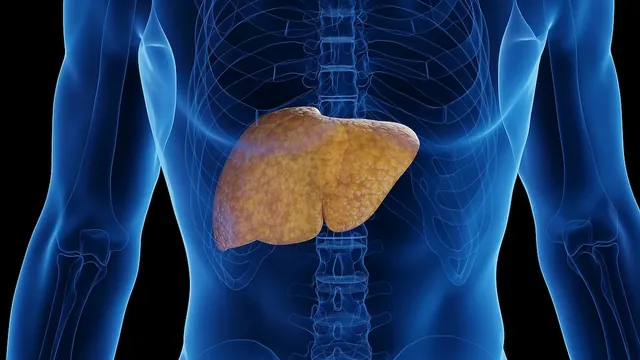
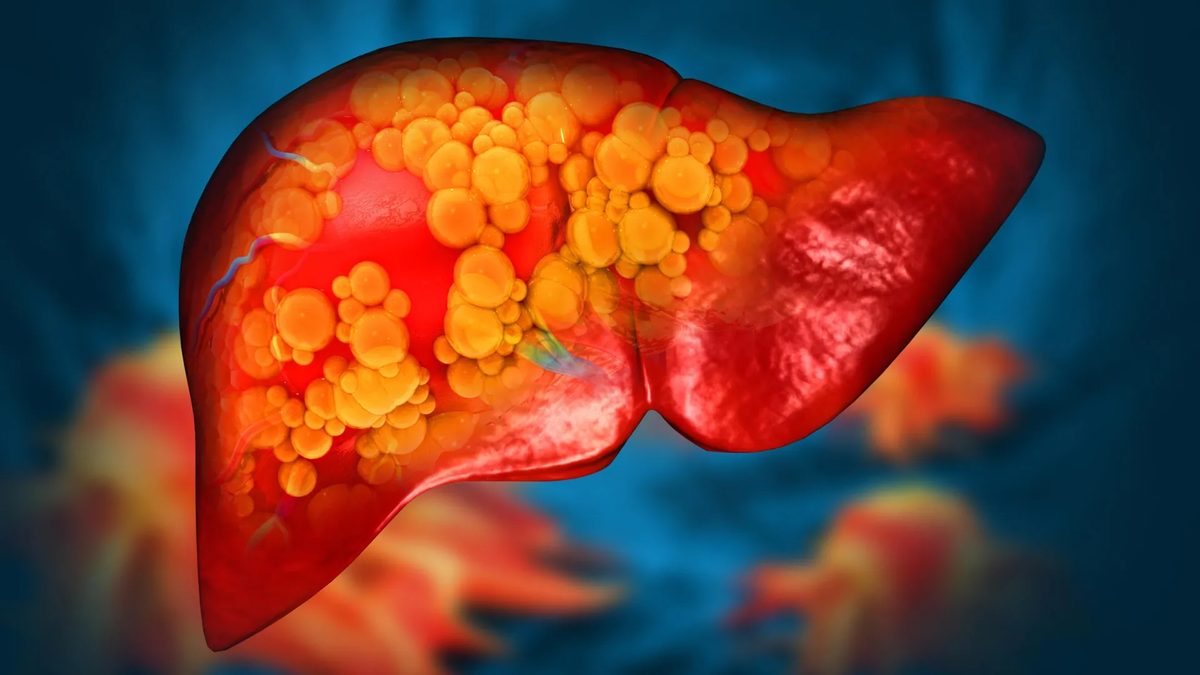
Microplastics, tiny fragments of plastic pollution, have permeated virtually every environment on Earth, from the deepest oceans to the air we breathe and even our own bodies. While their ubiquitous presence is well-documented, the long-term health consequences of prolonged exposure remain a critical area of scientific investigation. Now, researchers at Texas A&M University have uncovered a potentially significant link between polyethylene, one of the world's most prevalent plastics, and the development of fatty liver disease, a condition affecting a quarter of the global population.
Key Details
- Plastic Type: Polyethylene, a widely used plastic in packaging, containers, and wrappers.
- Health Concern: Linked to the development and exacerbation of fatty liver disease.
- Dietary Interaction: Unhealthy diets (high in fat, fructose, cholesterol) significantly worsen the effects of polyethylene exposure.
- Mechanism: Polyethylene appears to interfere with the liver's natural defense and repair mechanisms, activating key proteins like PPAR-alpha and influencing genes such as ANXA2.
- Methodology: Spatial transcriptomics was used to map gene activity and pinpoint the precise locations of cellular damage within the liver tissue.
- Previous Perception: Polyethylene was historically considered biologically inert and less likely to cause harm compared to other plastics.
- Funding & Publication: Funded by Texas A&M University; findings published in Science Advances (DOI: 10.1126/sciadv.aec8681).
Background
Polyethylene accounts for roughly one-third of all plastic production globally, making it a ubiquitous material in modern life. Its applications range from single-use food packaging and beverage containers to durable storage solutions. Despite its widespread use, scientific scrutiny regarding its potential health impacts, particularly on the liver, has lagged behind that of other microplastic types. Fatty liver disease, characterized by the excessive accumulation of fat in liver cells, is a major global health issue, affecting an estimated 25% of people worldwide. It can range from a benign condition to one that progresses to more severe liver damage.
Impact Analysis
The study's findings are particularly striking because they challenge the long-held assumption that polyethylene is biologically inert. The research demonstrates that exposure to polyethylene microplastics can independently trigger indicators of fatty liver disease. However, the impact is dramatically amplified when combined with a poor diet, rich in fats, sugars, and cholesterol – a dietary pattern common in many Western societies. This synergistic effect suggests that environmental pollutants and lifestyle choices can create a dangerous feedback loop, accelerating liver damage. Dr. Adi Joshi, the lead author, noted, “Those who have a more Western-style diet, including foods like burgers and sodas, may have a greater chance of progressing to fatty liver disease if they are also exposed to polyethylene.” This highlights the complex interplay between environmental exposures and lifestyle factors in chronic disease development.
“No studies have really looked into polyethylene's effect on liver health, and it's the most widely produced plastic. What we now know is that these microplastics, especially polyethylene, affect our liver's natural defense and repair mechanisms.”
Broader Context
The research adds a critical piece to the growing puzzle of microplastic toxicity. While the focus has often been on the physical presence of these particles, this study delves into the molecular mechanisms by which polyethylene exerts its effects. The application of spatial transcriptomics, a cutting-edge technology, allowed researchers to precisely map gene expression changes within the liver tissue. This revealed that polyethylene microplastics activate the PPAR-alpha pathway, a key regulator of fat metabolism, and influence the expression of ANXA2, a gene involved in tissue repair. These findings provide a granular understanding of how a seemingly harmless plastic can disrupt fundamental cellular processes in the liver, potentially contributing to disease development.
Future Outlook
While this study provides groundbreaking insights, further research is essential. The Texas A&M team plans to investigate whether polyethylene exposure can lead to more severe liver conditions, such as fibrosis, which involves the buildup of scar tissue. Understanding the precise molecular targets, like the PPAR-alpha pathway, could pave the way for developing therapeutic interventions to mitigate the harmful effects of microplastic exposure. Dr. Joshi emphasized the need to explore other classes of microplastics, stating, “The other microplastics might also be harmful to the liver, and we definitely need to look into other classes of microplastics.” This pioneering work underscores the importance of looking beyond traditional risk factors like diet and considering the cumulative impact of environmental pollutants on long-term health.
Conclusion
This study by Texas A&M University researchers marks a significant advancement in understanding the health risks associated with polyethylene microplastics. By demonstrating a direct link to fatty liver disease, particularly when combined with unhealthy diets, and elucidating the underlying molecular mechanisms, the research challenges previous assumptions about the plastic's safety. The findings call for increased awareness and further investigation into the pervasive issue of microplastic pollution and its multifaceted impact on human health, urging a re-evaluation of materials once considered benign.
Source: sciencedaily.com