Trump's $500 Health Checks Labeled a 'Political Stunt' Amidst Rising Healthcare Costs
Introduction
In the lead-up to crucial midterm elections, the Trump administration has initiated a program distributing government checks to specific groups of Americans, sparking controversy and debate. The $500 checks, sent to individuals enrolled in Healthcare.gov who earn above the subsidy threshold, and the forthcoming $90 checks for certain Medicare Part B beneficiaries, are being framed by the administration as a return of “hard-earned money.” However, recipients and ethics experts are questioning the timing and intent behind these disbursements, labeling them a “political stunt” aimed at influencing voter behavior.
Key Details
- $500 Checks: Distributed to individuals enrolled through Healthcare.gov in 30 states, earning over $64,000 annually, who were impacted by the lapse in enhanced federal subsidies.
- $90 Checks: To be sent to approximately 20 million Medicare beneficiaries enrolled in traditional Medicare Part B. Those in Medicare Advantage plans will not receive these payments.
- Timing: The checks are arriving in mailboxes just weeks before the midterm elections.
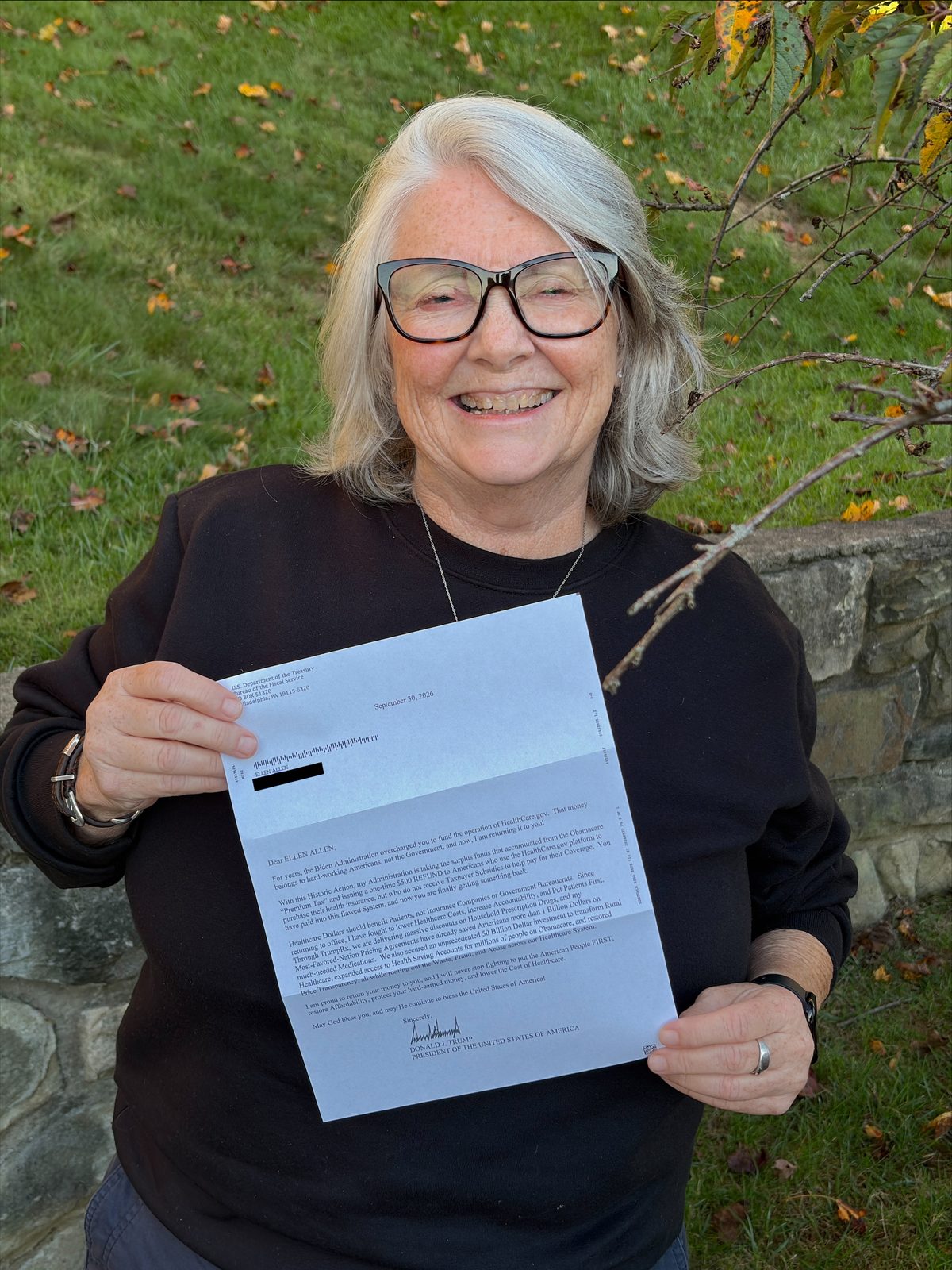
- Accompanying Letter: A letter from President Trump accompanies the checks, highlighting his administration's health policy achievements and criticizing the Biden administration.
- Funding Source: The $500 checks are funded by fees paid by insurance companies to the marketplace, while the $90 checks come from a general Medicare improvement fund. Neither fund has been previously used for direct payments to enrollees.
Background
Ellen Allen, a 65-year-old West Virginia resident and executive director of West Virginians for Affordable Health Care, received a $500 check. Having previously relied on Healthcare.gov and faced with escalating premiums after subsidies ended, she turned to Medicare upon becoming eligible. Allen, who requires expensive medication for a serious eye condition, views the check as a “political stunt.” “People aren't going to be fooled by this,” she stated, emphasizing that while the $90 check for Medicare beneficiaries is “nothing,” the core issue remains the high cost of healthcare throughout the year. She advocates for substantive policy changes rather than what she perceives as superficial gestures.
Impact Analysis
The distribution of these checks has drawn sharp criticism from ethics experts. Kathleen Clark, a professor of legal and governmental ethics at Washington University, argues that the timing and accompanying letter strongly suggest electioneering, potentially violating the Hatch Act, which prohibits the use of federal power and funds to influence partisan elections. “This reads like electioneering,” Clark commented. “This reads as though it's intended to influence votes. That is prohibited by law.” She further noted that the use of these specific funds for direct payments is unprecedented and could be an unauthorized use of congressional appropriations. Joseph Antos, a senior fellow at the American Enterprise Institute, described the move as “inexplicable” and “politically strange,” questioning its fiscal reasonableness given the national debt and its limited reach, as many Americans, particularly those with employer-sponsored insurance, will not benefit.
“If they wanted to do something meaningful, they would work on affordable healthcare instead of just sending out checks every now and then.”
Broader Context
The administration’s justification, as stated by spokeswoman Allison Schuster, is that “Americans were overcharged for the operation of the Obamacare exchange, and President Trump returned their hard-earned money.” This perspective frames the action as a correction rather than an electoral tactic. However, polling data from KFF indicates that healthcare costs are a primary concern for voters heading into the midterms. The poll reveals a widening trust gap between the Democratic and Republican parties on handling healthcare costs, with Democrats holding a significant advantage. Ashley Kirzinger, director of survey methodology for KFF, noted, “The cost of healthcare is what's going to be front of mind as they're casting their votes in November.” This suggests that voters are looking for comprehensive solutions, not just financial gestures.
Future Outlook
The effectiveness of these checks as a political strategy remains uncertain. Antos expressed doubt about any significant political benefit for Republican candidates, pointing out that the credit is being taken by President Trump personally, not attributed to local representatives. Furthermore, the limited scope of the checks means that the majority of the electorate will not receive them, potentially limiting their impact. For recipients like Ellen Allen, the checks will be deposited into savings or health accounts, with a continued commitment to advocating for universal affordable healthcare. The long-term impact will likely depend on whether these actions sway undecided voters or if voters prioritize substantive healthcare policy over immediate financial disbursements.
Conclusion
The Trump administration's distribution of $500 and $90 checks is a highly contentious move, viewed by critics as a politically motivated maneuver ahead of the midterm elections. While the administration defends it as a return of funds to deserving citizens, recipients and ethics experts question its legality and intent. As voters grapple with rising healthcare costs, the true impact of these checks on electoral outcomes and the broader conversation about healthcare affordability remains to be seen. The situation highlights the ongoing tension between political expediency and the need for sustainable, equitable healthcare solutions.
Source: npr.org