Stanford Scientists Discover Method to Regrow Cartilage, Potentially Ending Need for Joint Replacements
Introduction
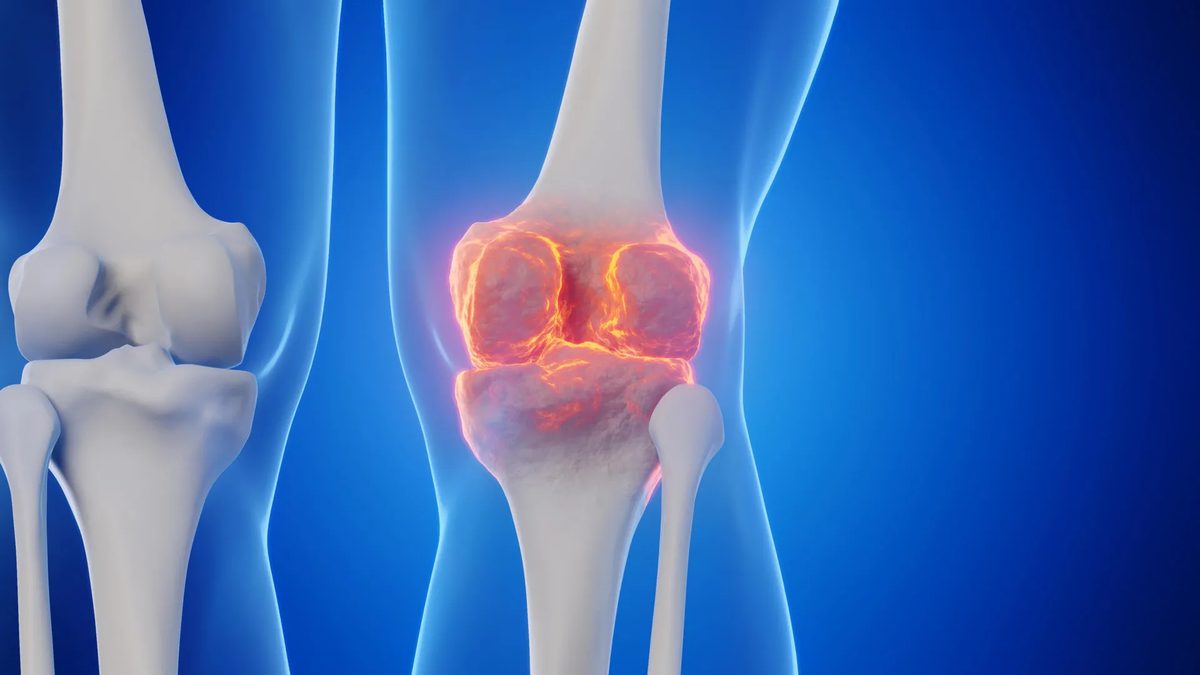
In a significant stride toward combating arthritis and the widespread need for joint replacement surgeries, scientists at Stanford Medicine have unveiled a novel approach to regenerate cartilage. By targeting a specific protein that accumulates with age, researchers have successfully restored damaged knee cartilage in mice and observed promising responses in human tissue samples. This discovery holds the potential to revolutionize arthritis treatment, shifting the focus from managing symptoms and replacing joints to actively repairing them.
Key Details
- Discovery: Scientists identified a method to rejuvenate existing cartilage cells and regrow damaged knee cartilage.
- Mechanism: The approach involves blocking a protein called 15-PGDH, which becomes more abundant with age and contributes to tissue aging.
- Animal Studies: In older mice, inhibiting 15-PGDH restored naturally lost cartilage and prevented osteoarthritis after knee injuries.
- Human Tissue: Cartilage samples from human knee replacement patients showed signs of producing new, functional cartilage after the same treatment.
- Potential Application: The findings suggest a future where an oral medication or injection could regenerate cartilage, reducing the need for joint replacement surgery.
- Lead Researchers: The study was co-led by Helen Blau, PhD, and Nidhi Bhutani, PhD, with Mamta Singla, PhD, and Yu Xin (Will) Wang, PhD, as lead authors.
- Publication: The research was published in the journal Science.
Background
Osteoarthritis, a debilitating condition affecting approximately one in five adults in the U.S., is characterized by the gradual breakdown of cartilage in joints. This leads to pain, swelling, and restricted mobility, often culminating in the need for surgical joint replacement. Current treatments primarily focus on symptom management, with no existing drugs capable of reliably slowing or reversing the disease's progression. The economic burden is substantial, with an estimated $65 billion in direct healthcare costs annually.
The Stanford team focused on a protein known as 15-PGDH, which they term a “gerozyme” – an enzyme that increases with age and impairs tissue function. Previous research by the same group demonstrated that inhibiting 15-PGDH could enhance muscle mass and endurance in older mice. This led them to investigate its role in cartilage health.
Impact Analysis
The study’s findings present a paradigm shift in regenerative medicine. Unlike many tissue regeneration strategies that rely on stem cells, this method appears to work by reprogramming existing cartilage cells, known as chondrocytes, to revert to a more youthful, functional state. This cellular rejuvenation directly addresses the root cause of cartilage degradation in osteoarthritis.
“This is a new way of regenerating adult tissue, and it has significant clinical promise for treating arthritis due to aging or injury,” stated Dr. Helen Blau. “We were looking for stem cells, but they are clearly not involved. It's very exciting.” The ability to induce “dramatic regeneration” of cartilage, as described by Dr. Nidhi Bhutani, offers hope for millions suffering from joint pain.
The treatment’s efficacy in preventing osteoarthritis after simulated ACL injuries in mice is particularly noteworthy. Given that roughly 50% of ACL tear patients develop osteoarthritis within 15 years, this intervention could significantly alter long-term joint health outcomes for athletes and active individuals.
Broader Context
The research taps into a growing understanding of aging as a modifiable biological process. Targeting gerozymes like 15-PGDH aligns with a broader scientific effort to develop interventions that promote healthy aging and combat age-related diseases. The fact that an oral 15-PGDH inhibitor has already shown safety and activity in Phase 1 clinical trials for muscle weakness provides a strong foundation for its potential application in cartilage regeneration.
“Imagine regrowing existing cartilage and avoiding joint replacement,” Dr. Blau remarked, highlighting the transformative potential of this line of research. The study’s success in human cartilage samples, even if preliminary, bridges the gap between animal models and human clinical application, fueling optimism for future trials.
Future Outlook
While the results are highly promising, the researchers emphasize that clinical trials in humans are necessary to confirm the safety and efficacy of this approach for cartilage regeneration. The development of an oral or injectable therapy based on 15-PGDH inhibition could offer a non-surgical alternative for managing and potentially reversing osteoarthritis. Stanford University has filed patent applications related to this technology, which have been licensed to Epirium Bio, indicating a clear pathway toward potential commercialization.
Conclusion
The discovery by Stanford scientists offers a beacon of hope for individuals suffering from osteoarthritis and joint degeneration. By unlocking the potential of existing cartilage cells to regenerate through the inhibition of the aging-associated protein 15-PGDH, this research paves the way for innovative treatments that could significantly reduce, or even eliminate, the need for joint replacement surgeries. The successful demonstration in both animal models and human tissue samples marks a critical step towards a future where damaged cartilage can be effectively repaired, restoring mobility and improving the quality of life for millions worldwide.
Source: sciencedaily.com